Turkey’s 2027 minimum wage is shaping up as a test of how far policymakers can stretch household incomes without adding fresh pressure on businesses, prices and hiring.
Turkey Minimum Wage Talks Ahead of December Decision
With the current net minimum wage at 28,075 lira, three scenarios are now on the table ahead of December talks: a 25% rise would lift the net wage to 35,094 lira, a 28.4% increase — matching the government’s year-end inflation target — would take it to 36,049 lira, and a 30% hike would push it to 36,498 lira. The final decision will be set by the Minimum Wage Determination Commission after talks between labor, employers and the government.
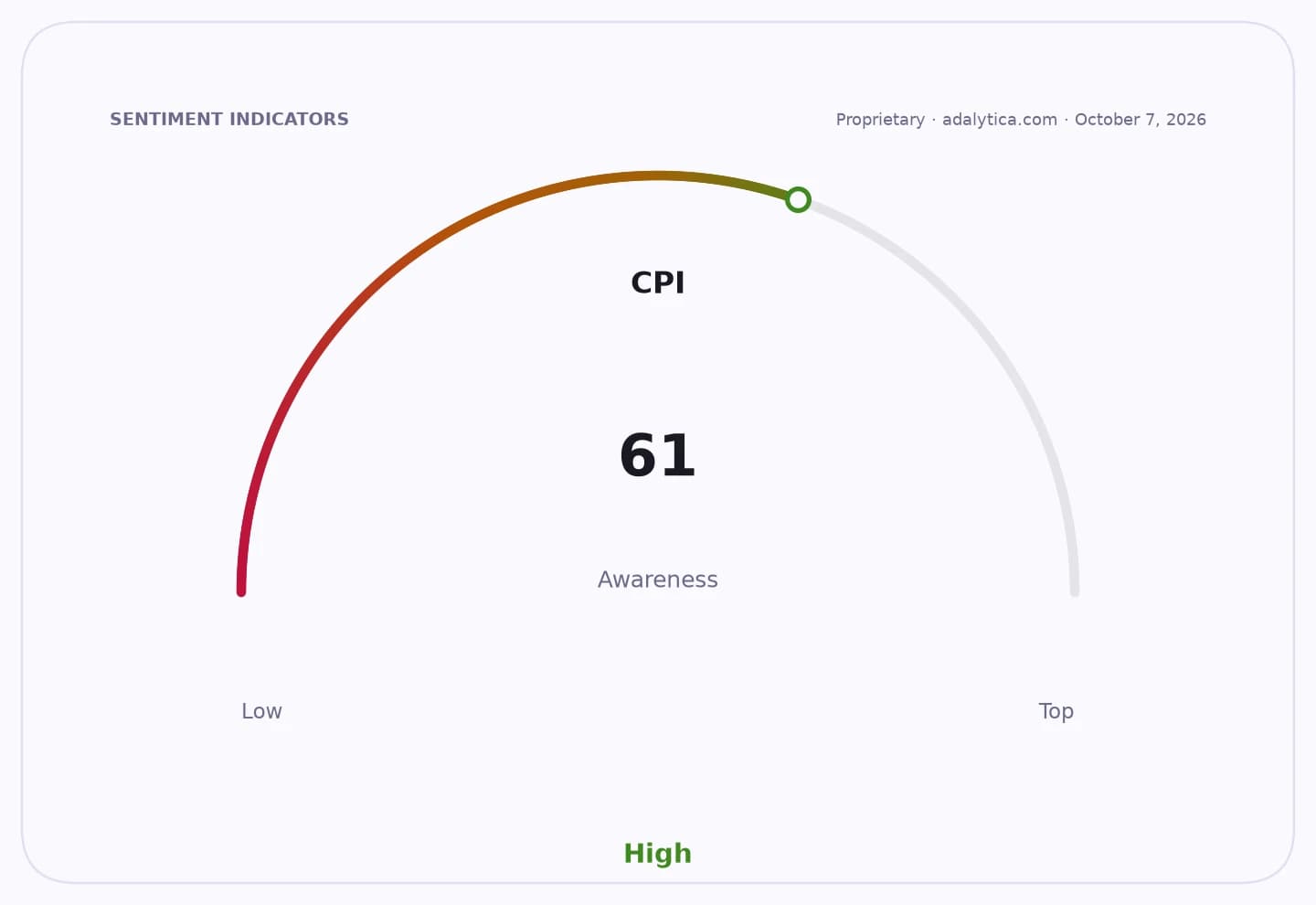
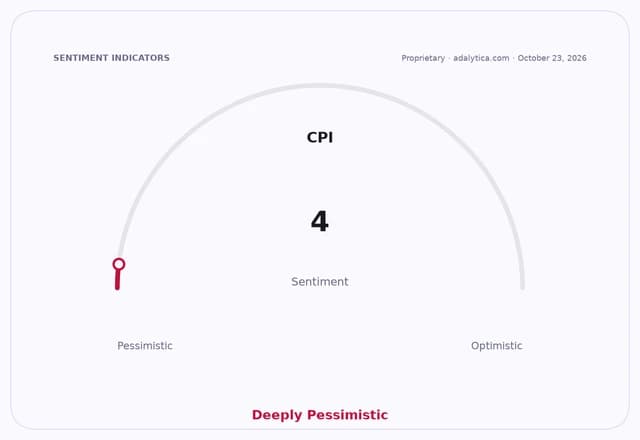
Sentiment IndicatorsⓘProprietary · adalytica.com · October 23, 2026
This is a snapshot — live sentiment, awareness and momentum for 130+ markets update continuously in the dashboard.Open AlphaPulse

The stakes go well beyond a pay packet. Minimum wage decisions in Turkey set the tone for a broad swath of wages and benefits, from unemployment insurance and sickness pay to maternity-related payments, some severance calculations, apprentice wages and social aid thresholds. That means the final number feeds directly into consumer spending power, corporate labor costs and the government’s wider effort to manage inflation expectations.
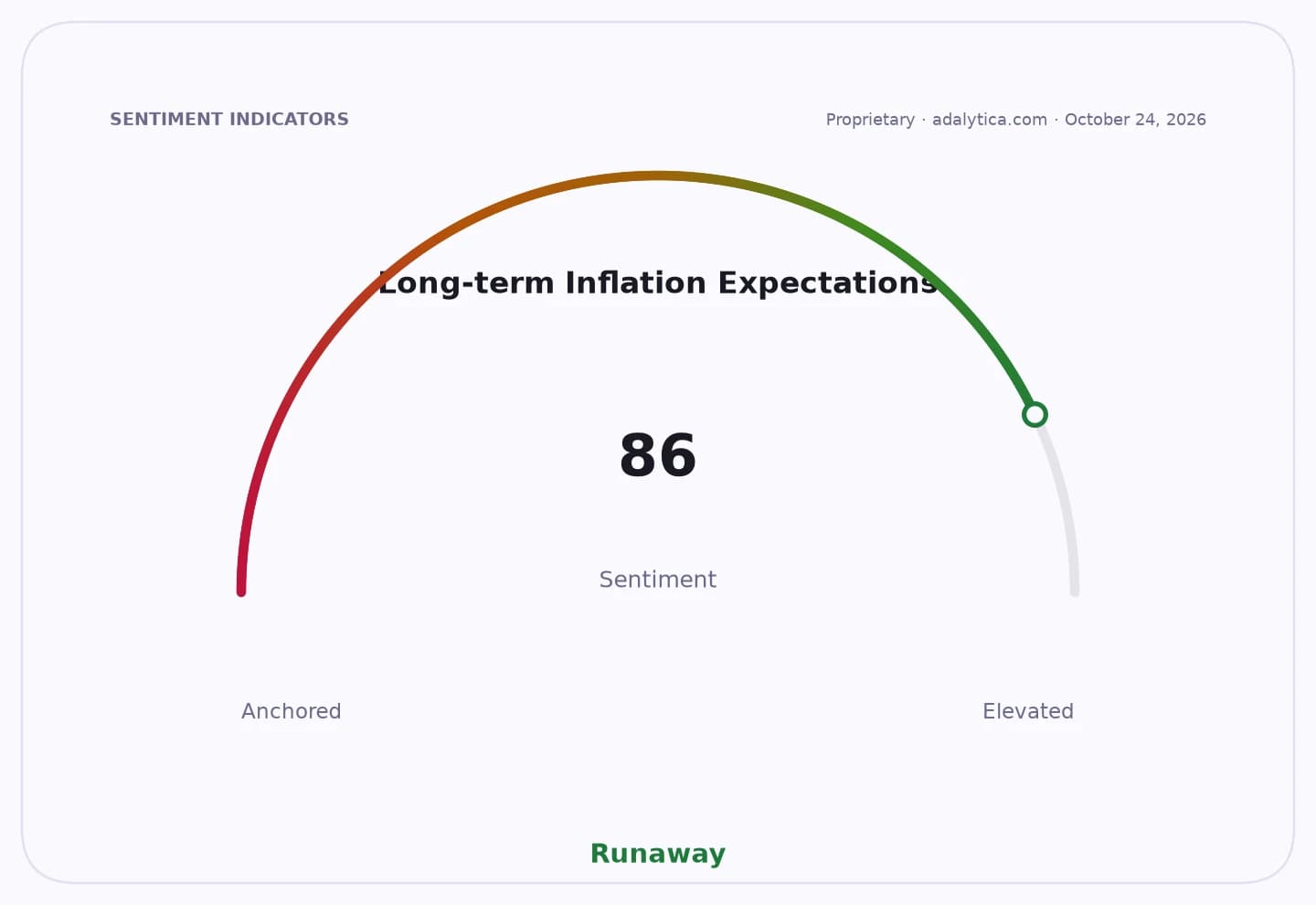
The debate is occurring against a still-elevated price backdrop. Turkish inflation stood at 29.73% in September, while the government’s medium-term program projects 28.4% inflation for 2026 and 21% for 2027. The central bank’s October survey put 2026 year-end inflation expectations at 29.63%. In that context, a wage increase near inflation would preserve purchasing power, but a larger move would risk reinforcing the wage-price spiral that has helped keep living costs high for years.
Wages — 30-day sentimentadalytica.com
Explore this data interactively — full history, time series and cross-market comparisons.Open AlphaPulse
For workers, the arithmetic is straightforward. A 25% increase would add 7,018 lira a month to the net minimum wage. A 28.4% increase would add 7,973 lira, while a 30% rise would bring an 8,422 lira monthly gain. Yet the gap between those outcomes is politically sensitive because the minimum wage is widely used as a reference point in a labor market where many households remain under strain. Turk-İş said September’s hunger threshold for a four-person family was 37,800 lira, above even the highest of the three proposed net wage levels.
For employers, especially labor-intensive retailers, food service groups and manufacturers, the choice will shape payroll costs at a time when they are already navigating weaker demand and tighter margins. Medef, the French employers’ group, has warned that sharp minimum wage hikes can create “chaos in businesses,” a reminder that the policy trade-off is similar across many economies: protect real incomes, but avoid compressing profitability or discouraging hiring. In Turkey, where the minimum wage is a key benchmark for wage-setting more broadly, the effects can ripple through suppliers and smaller firms as well.
Investors will read the outcome through inflation, consumption and margins. A higher minimum wage would likely support household spending and benefit consumer-facing sectors in the short term, but it could also sustain price pressures and complicate monetary easing. A more modest increase would be friendlier for employers and could help disinflation, but risks further squeezing real incomes and consumer demand. The eventual compromise will therefore matter not just for wage earners, but for the pace of Turkey’s disinflation path, the resilience of retail sales and the earnings outlook for companies exposed to domestic labor costs.
The commission’s December decision will be watched as a signal of whether policymakers are prioritizing household relief, price stability or business competitiveness. The closer the final number lands to inflation, the more it suggests an attempt to protect purchasing power; the further above or below it falls, the more it will reveal about the government’s tolerance for either labor unrest or inflation risk.
| Entity | Gains | Losses |
|---|---|---|
| Workers | ▲Higher take-home pay | ▼Wage erosion if increase lags inflation |
| Employers | ▲Lower payroll shock under 25% scenario | ▼Higher labor costs under 30% scenario |
| Consumers | ▲Stronger spending power | ▼Higher prices if wage costs pass through |
| Government / Central Bank | ▲Greater policy flexibility with moderate hike | ▼Harder disinflation if wage increase is aggressive |