A new estimate that a decent monthly living standard in Moldova costs 34,000 lei underscores how far household incomes lag behind basic needs, turning the country’s wage debate into a test of social stability as much as labor policy.
Moldova Minimum Wage Gap Reaches 34,000 Lei

The figure, published in a study launched in Chișinău, is nearly three times the gross minimum wage and about double the average salary, putting a hard number on the gap between what households earn and what experts say is needed for food, housing, culture, leisure and holidays with family. In practical terms, it means a large share of workers remain below any meaningful “decent living” threshold even when employed full time.
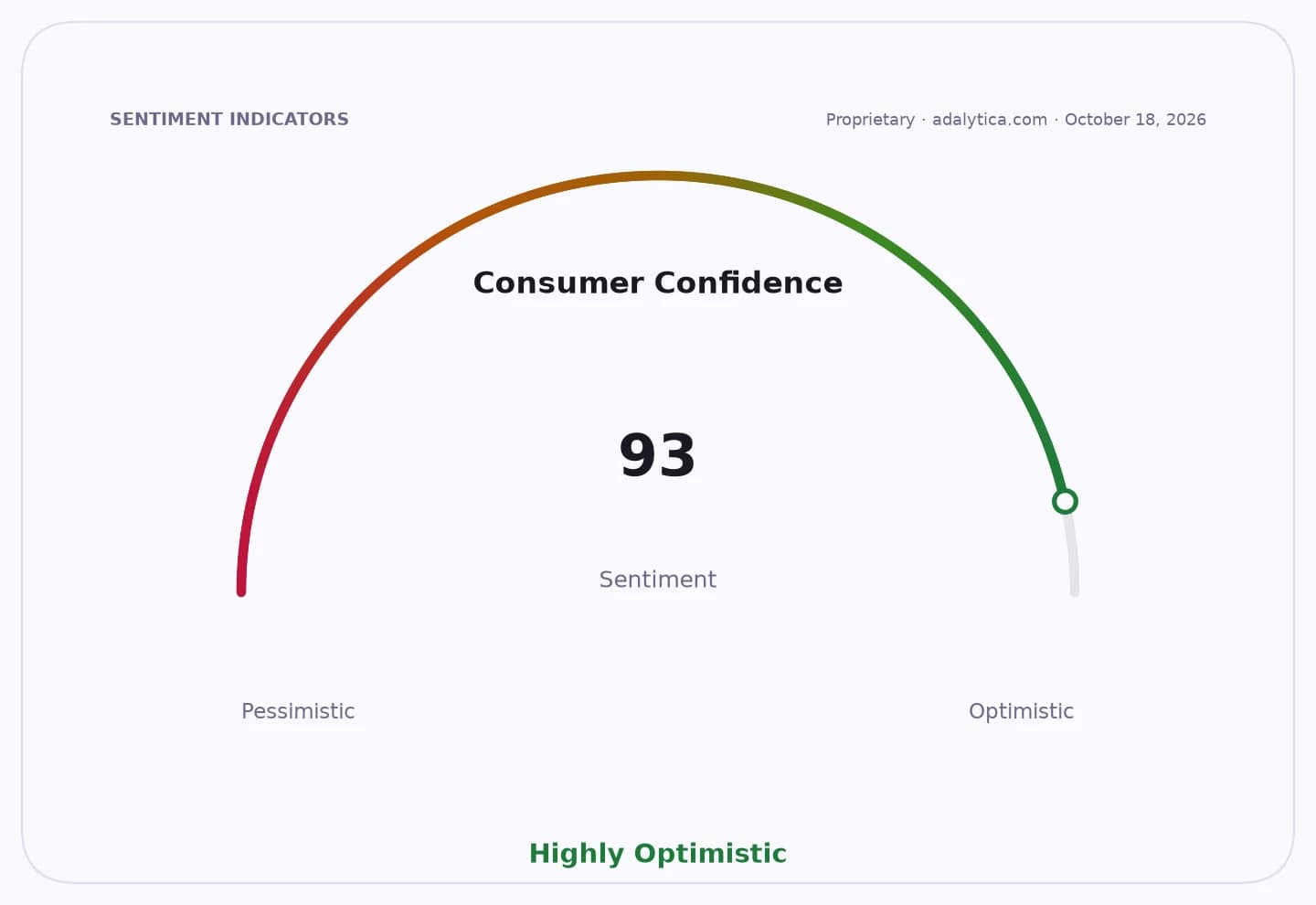
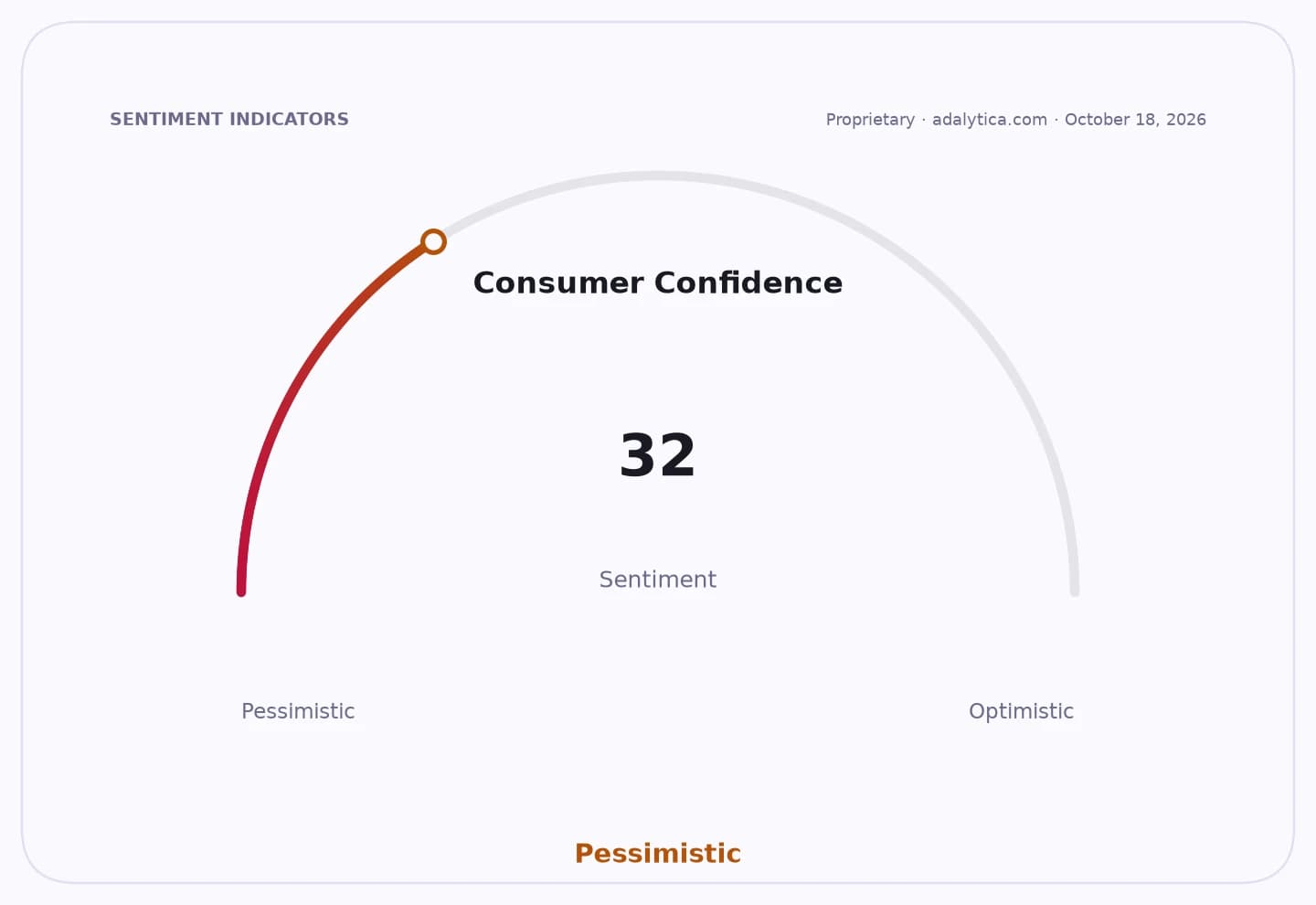
Sentiment IndicatorsⓘProprietary · adalytica.com · October 24, 2026
This is a snapshot — live sentiment, awareness and momentum for 130+ markets update continuously in the dashboard.Open AlphaPulse
That matters economically because wages that lag living costs tend to suppress consumption, widen inequality and intensify pressure for state intervention. When households spend most of their income on necessities, there is little left for discretionary purchases, savings or investment in education and health. For Moldova, where domestic demand is a key support for growth, the affordability squeeze risks limiting retail activity and reinforcing dependence on remittances, transfers or informal income.
The study lands as the government weighs an early increase in the legal minimum wage, potentially from Jan. 1, amid mounting social demands for better purchasing power. Unions are pushing for a substantial raise tied to economic growth and living costs, while employers are seeking talks with officials over timing and scale. The political divide is sharp, with parties split over how high the floor should be and whether it should be adjusted now or later.
For investors, the issue goes beyond labor politics. A faster minimum-wage increase would raise labor costs for employers with thin margins, particularly in retail, hospitality and low-value services, while offering some relief to consumption-heavy sectors if households gain spending power. The balance will determine whether the policy acts as a demand stimulus or a margin squeeze. In a small economy with limited pricing power, firms may try to pass costs through, but that would only deepen the affordability problem that the study highlights.
The broader message is that Moldova’s wage architecture is not keeping pace with the cost of living. If policymakers move too slowly, social pressure is likely to intensify. If they move too fast, employers could face an abrupt cost shock. The next round of talks between government, unions and business will show whether the country opts for a gradual adjustment or a more forceful reset of the wage floor.
| Entity | Gains | Losses |
|---|---|---|
| Low-wage workers | ▲Higher purchasing power | ▼Current wage gap |
| Employers | ▲Policy clarity | ▼Higher labor costs |
| Government | ▲Social calm if compromise holds | ▼Political pressure if delayed |
| Consumers/retail demand | ▲More spending capacity | ▼Inflation risk if costs pass through |