Azerbaijan’s minimum wage is back on the policy agenda, and the key question for workers and investors alike is not whether it will be reviewed, but how much it can rise without straining hiring and the budget.
Azerbaijan minimum wage review may rise 10% to 15%
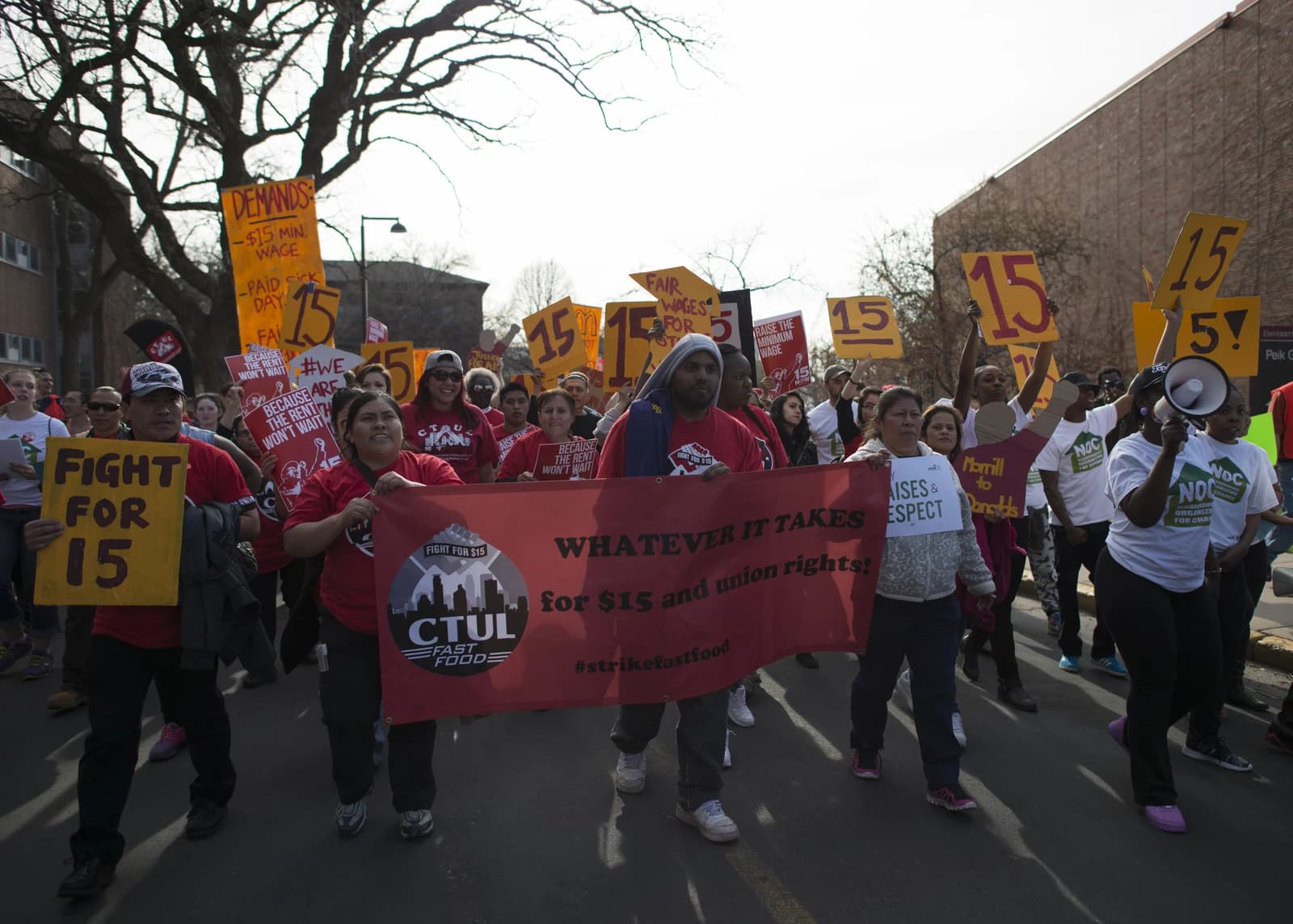
That matters because wage floors influence household spending, business labor costs and the government’s broader social bill. With the 2027 budget draft pointing to 44% of spending going to social items and economic growth forecast at 2.7%, policymakers are being pushed to balance relief for low-income workers against the risk of weakening employment.
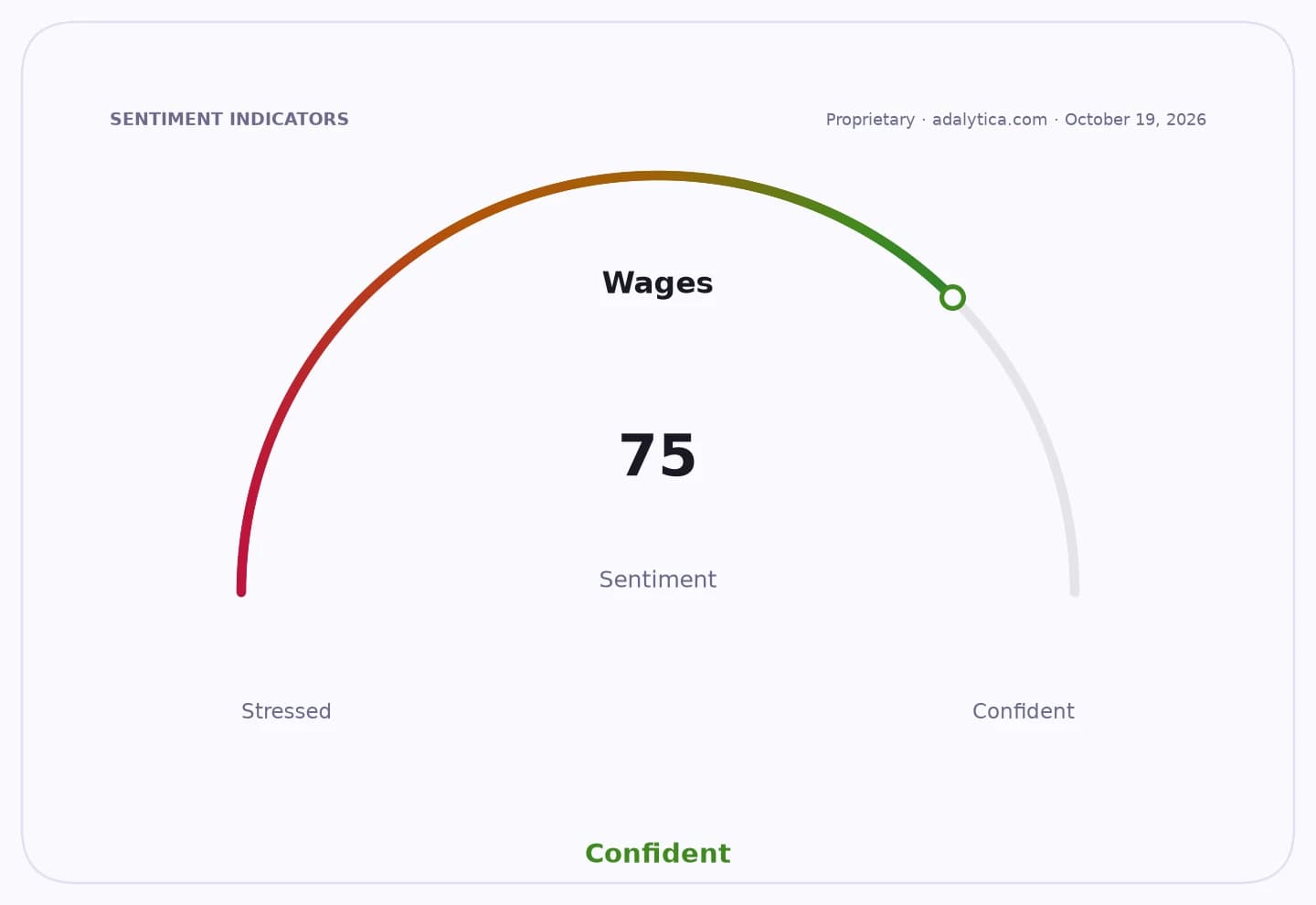
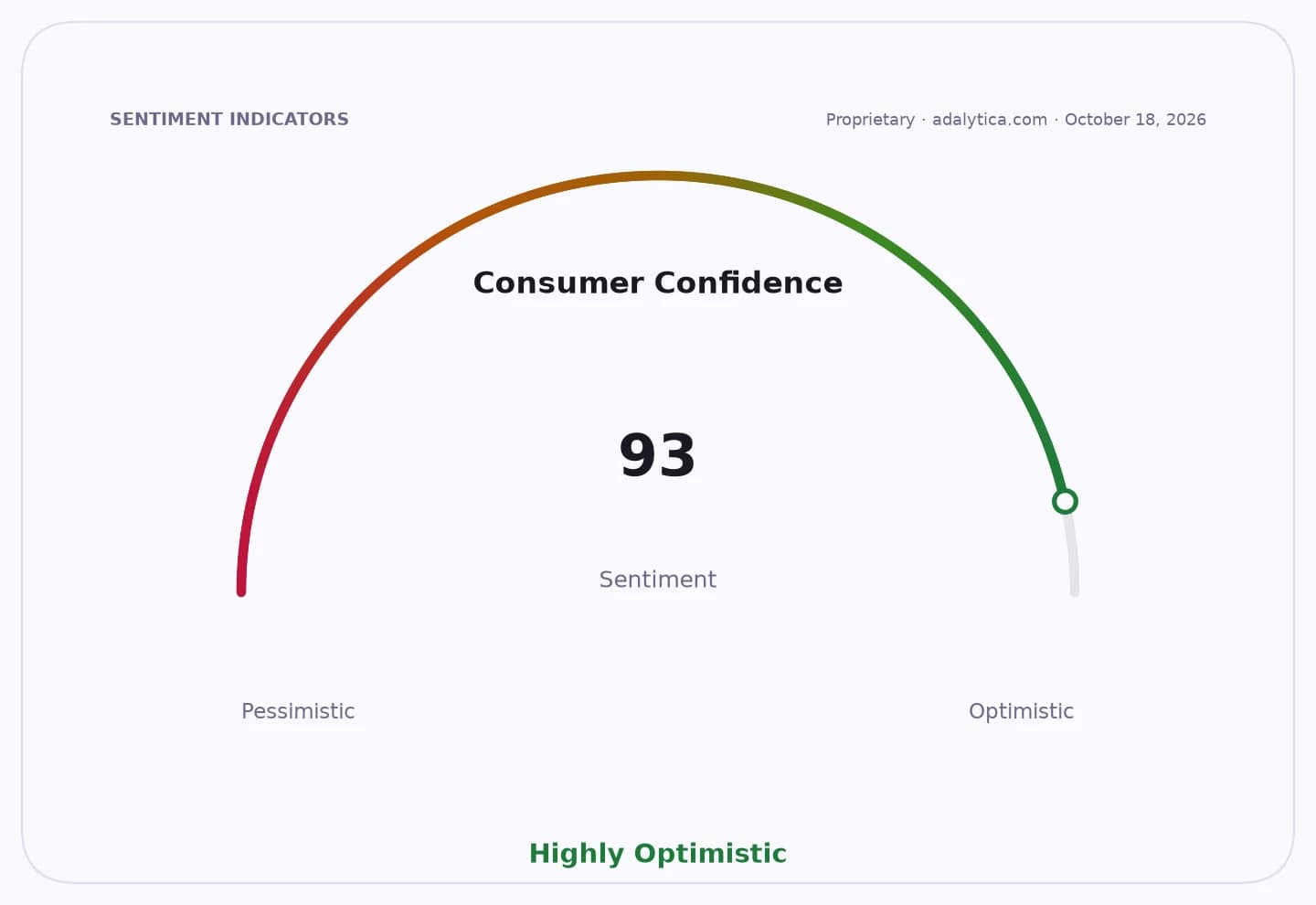
Sentiment IndicatorsⓘProprietary · adalytica.com · October 22, 2026
This is a snapshot — live sentiment, awareness and momentum for 130+ markets update continuously in the dashboard.Open AlphaPulse
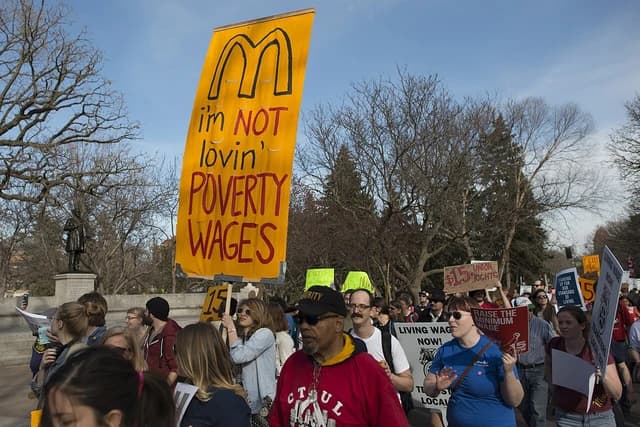
Under changes to the Labor Code this year, the minimum wage must be reviewed at least once a year, though that does not guarantee an automatic increase. Economist Khalid Kerimli said the decision should weigh economic growth, labor productivity, average wages, purchasing power, inflation, social benefits, the subsistence minimum and employment conditions together. In other words, this is less about politics than about whether the economy can absorb higher wage floors.
For investors, that makes the minimum wage a useful gauge of domestic demand, public spending discipline and labor-market pressure. A larger increase would likely support consumer spending among lower-income households, but it could also raise costs for small employers and labor-intensive sectors if the adjustment is too aggressive. Kerimli said the increase could come in at 10% to 15%, a range that would be meaningful for pay packets without being so large that it risks a jump in job losses.
The broader narrative is straightforward: Azerbaijan is trying to protect real incomes in an inflationary environment while keeping growth and employment intact. That is a familiar policy trade-off, and it is one investors should watch closely because it can shape everything from retail demand to wage inflation to the government’s fiscal flexibility.
For long-term investors, the minimum wage debate is best read as part of a larger story about income growth and domestic consumption. A measured increase would be a constructive sign for household resilience; an outsized one could reveal more pressure than policymakers are willing to admit. It is worth watching, especially for anyone tracking Azerbaijan’s consumer economy and social-spending priorities.
| Entity | Gains | Losses |
|---|---|---|
| Low-income workers | ▲Higher take-home pay | ▼None if rise keeps pace with inflation |
| Employers | ▲Predictable adjustment if modest | ▼Higher labor costs |
| Government | ▲Social stability, stronger consumption | ▼Bigger budget pressure |
| Consumers/domestic demand | ▲More spending power | ▼Less if job losses rise |