Romania’s economy is facing a tougher mix of slower growth, higher prices and rising unemployment, and that is a bad combination for households, companies and policymakers alike.
Romania inflation hits 6.5% as recession looms
The country posted the European Union’s highest annual inflation rate in September at 6.5%, with fuel, energy and food doing the most damage to purchasing power. For investors, the key point is not just that prices are still rising, but that they are doing so while the IMF is now expecting recession. That combination tends to squeeze consumer demand, pressure corporate margins and make government finances harder to manage.
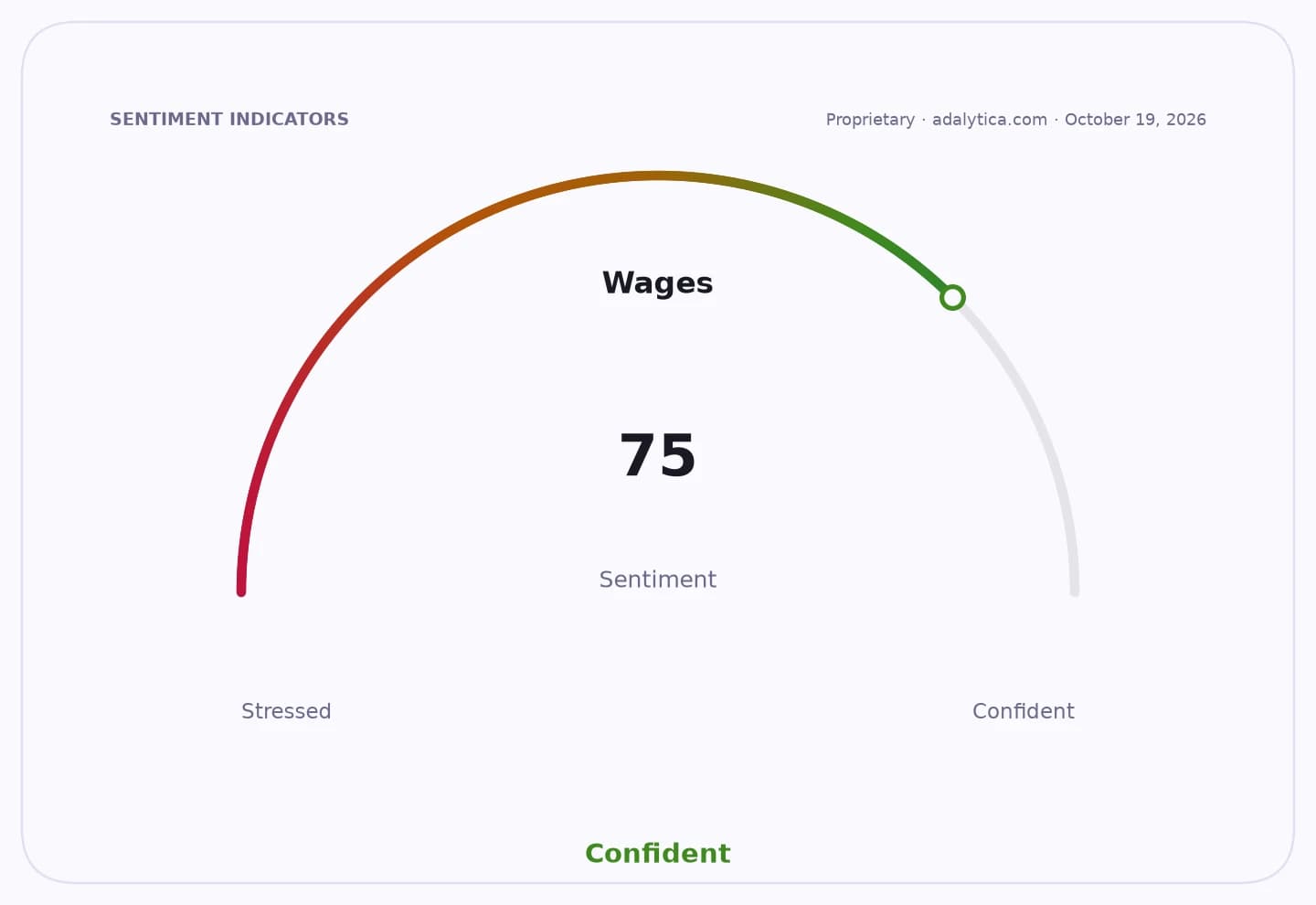
It also leaves Romania in a more fragile position than many of its regional peers. When inflation is this sticky, wage gains often fail to keep up, which means households have less money to spend on everything from groceries to autos to discretionary retail. That matters for listed companies exposed to Romanian consumers, but it also matters for lenders, utilities and import-dependent businesses that must operate against a backdrop of weaker real incomes and uncertain policy.
The inflation problem has been made worse by a series of domestic headwinds. Political instability has reduced confidence in economic management, while drought has added another layer of strain to food prices and rural incomes. In other words, this is not a one-off spike. It looks more like a broader loss of economic momentum at a time when the government is being pushed toward austerity and a difficult 2027 budget process.
Lower interest rates have offered only limited relief. Romanian borrowing costs recently fell to their lowest in a month, but that by itself will not solve the underlying problem if inflation remains elevated and fiscal policy stays tight. The more important question for investors is whether Bucharest can restore credibility with a realistic budget path while keeping growth from sliding deeper into contraction.
For long-term investors, Romania’s story is a reminder that macro stability matters as much as headline growth. High inflation can quickly erode returns, especially in smaller emerging markets where policy mistakes and external shocks can have an outsized effect. Until prices cool and fiscal policy becomes clearer, caution is warranted.
| Entity | Gains | Losses |
|---|---|---|
| Romanian exporters | ▲Weaker domestic demand, some pricing power abroad | ▼Households with tight budgets |
| Romanian consumers | ▲None clearly | ▼Purchasing power, real wages |
| Government fiscal reformers | ▲Chance to restore credibility | ▼Short-term political room to spend |
| Bondholders and lenders | ▲Higher policy discipline if austerity sticks | ▼Credit risk if recession deepens |