Suriname’s fiscal position has swung back into deficit even as the economy continues to strengthen, underscoring a recovery built on shaky public finances.
Suriname deficit widens as growth and inflation improve

The Suriname Economic Oversight Board said government finances turned to a deficit of SRD 3.6 billion in its latest bulletin, even as economic activity accelerated and inflation fell back below 10% in July. The combination matters because it shows growth is returning, but the state is still struggling to convert that momentum into budget stability, leaving debt sustainability as the key constraint on the recovery.
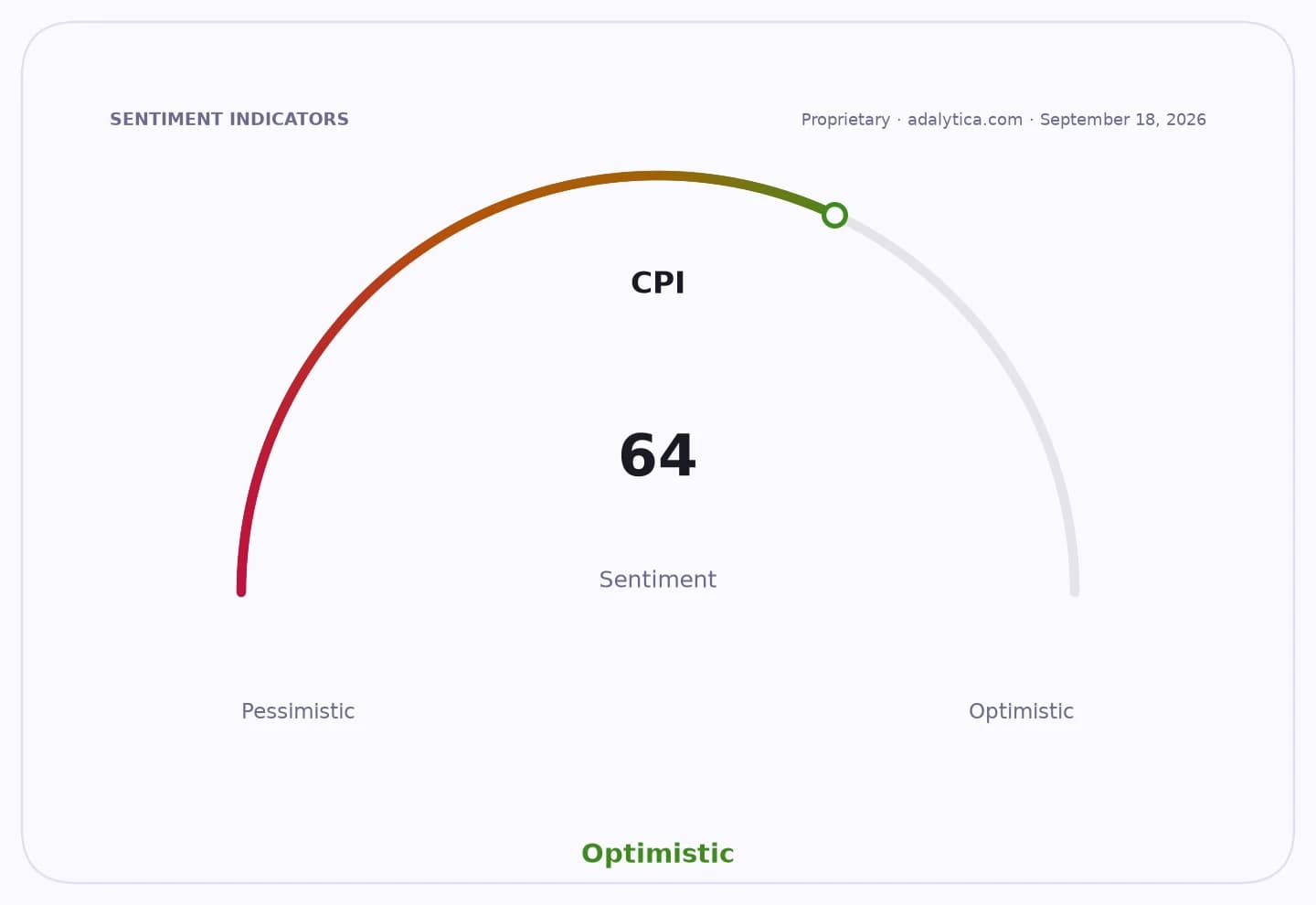
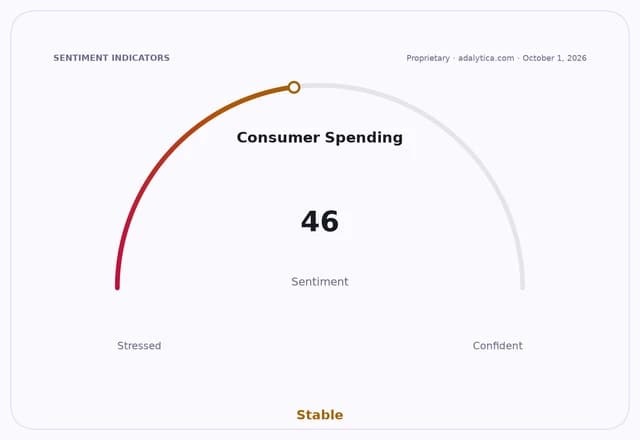
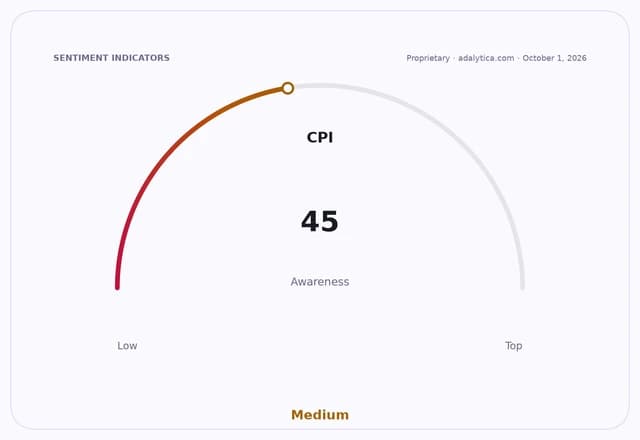
Sentiment IndicatorsⓘProprietary · adalytica.com · October 1, 2026
This is a snapshot — live sentiment, awareness and momentum for 130+ markets update continuously in the dashboard.Open AlphaPulse
The board said economic activity, measured by the Monthly Economic Activity Index, quickened from 7.7% growth in January to 8.5% in March and 9.6% in April 2026. That points to a broadening rebound rather than a one-off improvement, with inflation easing enough to take some pressure off household purchasing power and the central bank’s policy settings.
For policymakers, the problem is that stronger activity is not yet fixing the fiscal imbalance. A deficit of SRD 3.6 billion is large enough to keep financing needs elevated and to sustain pressure on a public debt burden that the SEOB described as high. In practical terms, that means any improvement in revenue from higher growth can be offset by wage costs, subsidies, interest expenses or weak tax compliance, forcing the government to rely on borrowing just as investors would prefer to see consolidation.
For investors, the split between better macro data and weaker state finances creates two competing narratives. The bull case is that lower inflation and faster activity improve the odds of more stable growth, potentially supporting local demand, credit performance and confidence in policy execution. The bear case is that persistent deficits and debt overhang could cap gains, keep sovereign risk elevated and leave the economy vulnerable if commodity receipts, external financing or currency conditions deteriorate.
The SEOB’s warning is especially relevant because fiscal deterioration can quickly spill into broader macro stress in smaller economies. If deficits remain wide while debt stays elevated, government financing costs can rise, crowding out private investment and weakening the room for countercyclical policy. That would matter not only for bonds and bank exposures, but also for businesses dependent on domestic demand and public-sector spending.
The outlook now hinges on whether Suriname can keep inflation contained while sustaining growth and tightening the budget. If that balance improves, the recovery could become more durable. If not, the economy may keep expanding in the short term while the fiscal side remains the main source of vulnerability.
| Entity | Gains | Losses |
|---|---|---|
| Households | ▲Lower inflation pressure | ▼Fiscal austerity risk |
| Government revenues | ▲Stronger economic activity | ▼Larger financing needs |
| Bondholders | ▲Stable macro backdrop | ▼Higher sovereign debt risk |
| Businesses | ▲Faster domestic demand | ▼Policy uncertainty |