Life in Moldova is getting more expensive again, with annual inflation climbing to 8.6% in September as higher gas tariffs feed through the economy and squeeze households already living with weak growth.
Moldova Inflation Rises to 8.6% in September
That matters because inflation at this pace is not just a headline number. In a small, import-dependent economy like Moldova’s, energy costs quickly ripple into food, transport and everyday services, eroding real incomes and making it harder for the central bank to ease policy. It also raises the political stakes, with opposition figures already pressing for the resignation of the National Bank governor.
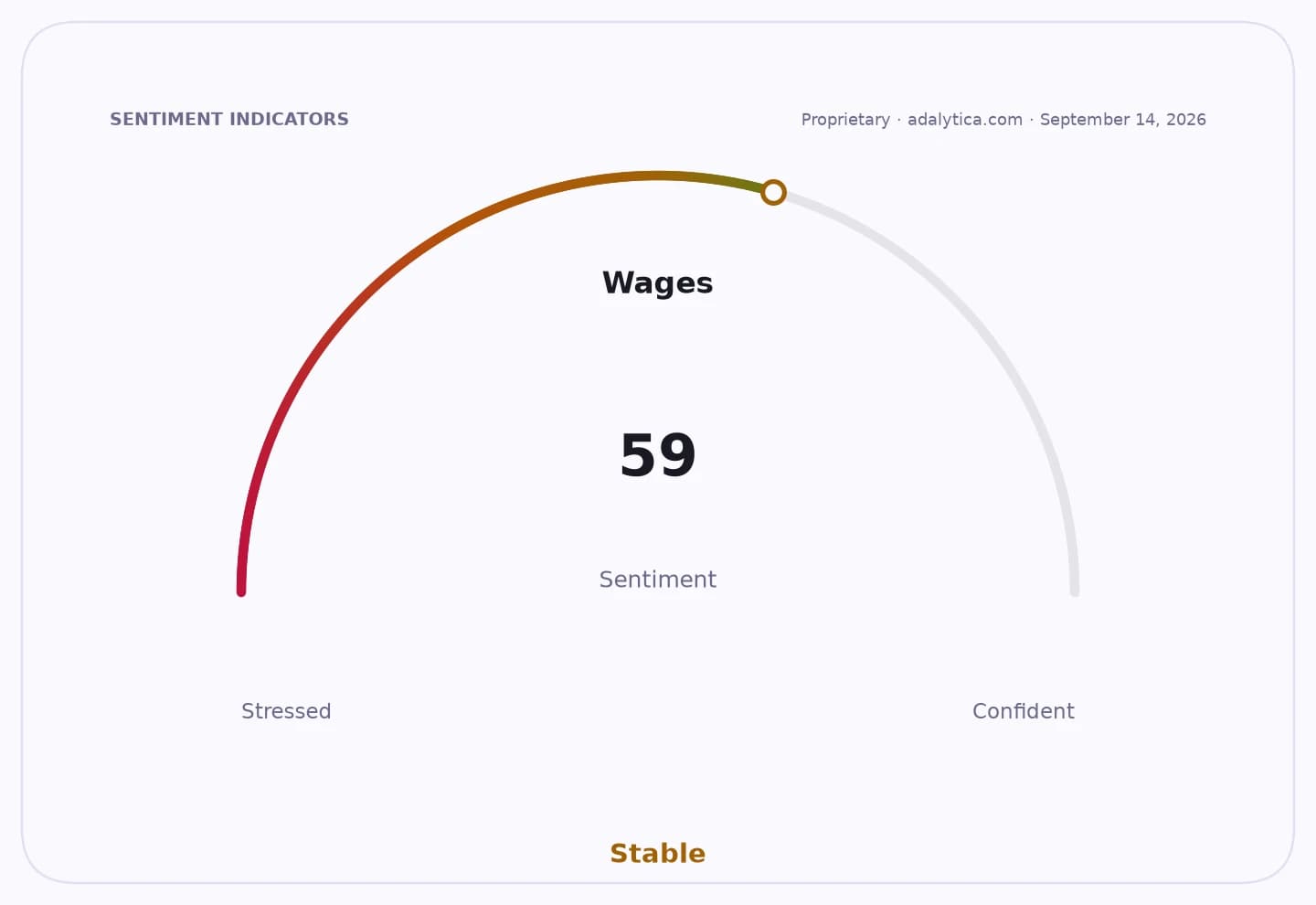
Sentiment IndicatorsⓘProprietary · adalytica.com · October 11, 2026
This is a snapshot — live sentiment, awareness and momentum for 130+ markets update continuously in the dashboard.Open AlphaPulse
For investors and policymakers, the bigger issue is whether Moldova can keep its reform momentum while containing price pressure. The European Union has just unlocked 157 million euros under its Growth Plan after progress on reforms, underscoring how much the country still relies on outside support to steady growth and modernize its economy. But fresh money does not erase the inflation problem; if anything, it highlights the tension between longer-term investment and near-term household strain.
The Moldovan leu has recently strengthened against major currencies, which can help soften imported inflation, but the relief is limited if regulated energy prices keep moving higher. That is the heart of the story: Moldova is trying to build confidence with reforms and European backing at the same time as inflation is eating away at purchasing power.
For long-term investors watching the region, Moldova is a reminder that macro stability matters as much as reform headlines. Countries can unlock aid, open negotiation clusters and improve competitiveness, but sustained gains depend on getting inflation under control and restoring confidence in the domestic policy framework. For now, this is a market and economy worth watching closely, not chasing.
| Entity | Gains | Losses |
|---|---|---|
| Moldovan households | ▲EU support, stronger leu | ▼Higher prices, weaker real income |
| Moldovan government | ▲Reform credibility, funding inflow | ▼Political pressure from inflation |
| National Bank of Moldova | ▲Reform runway | ▼Public criticism, tighter policy constraints |
| Energy importers/consumers | ▲— | ▼Higher gas tariffs |