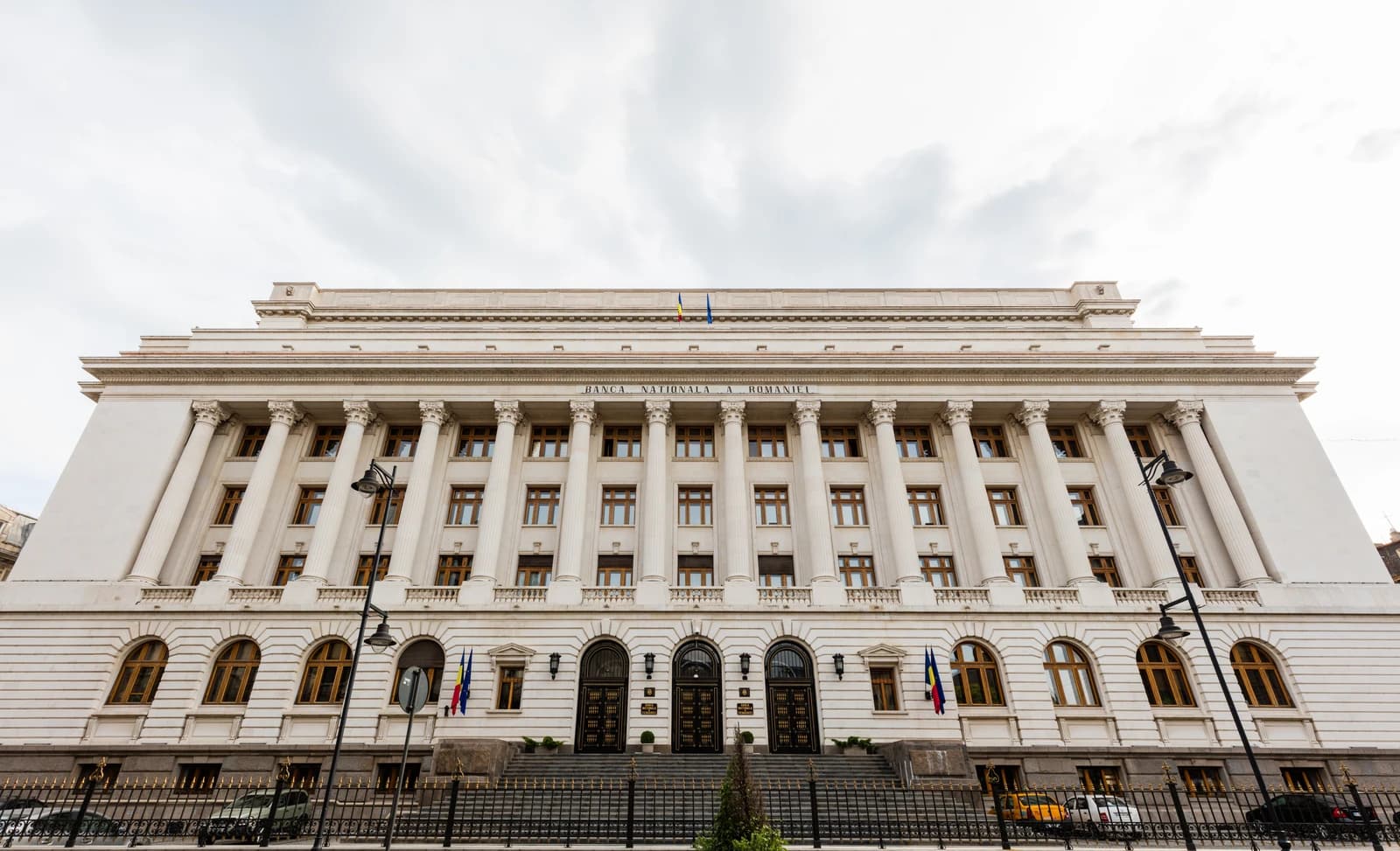
Romania’s central bank warned that inflation will climb again by year-end, signaling that August’s fall to 6.17% may prove temporary rather than the start of a lasting disinflation trend.
Romania BNR warns inflation may rise again by year-end

That matters because the BNR is effectively saying the recent easing in price pressure was driven largely by base effects, not by a clean improvement in underlying demand conditions. After annual inflation slipped from 10.42% in June to 8.16% in July and 6.17% in August, the central bank expects the path to reverse as fuel, energy and imported commodity costs feed through again.
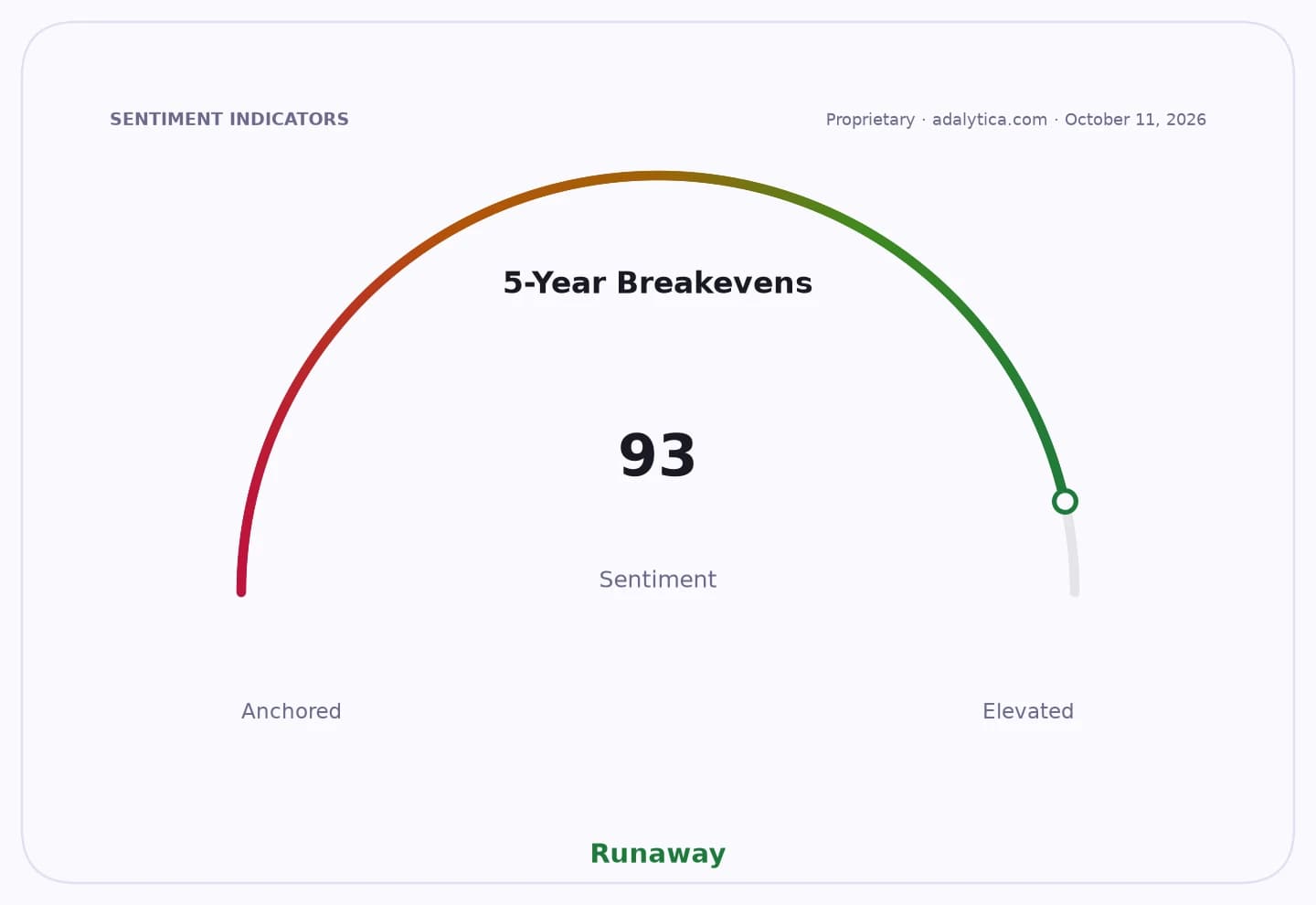
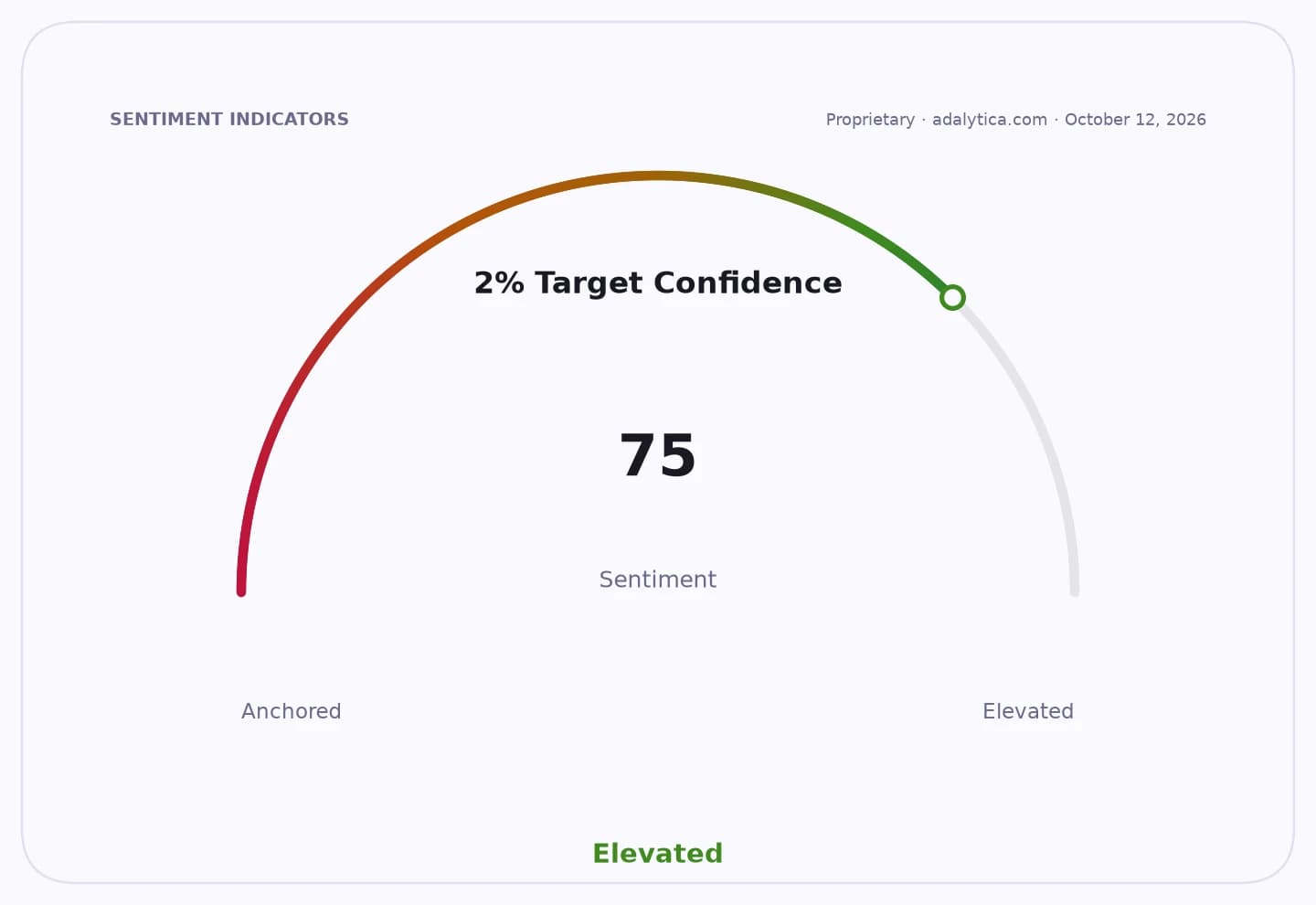
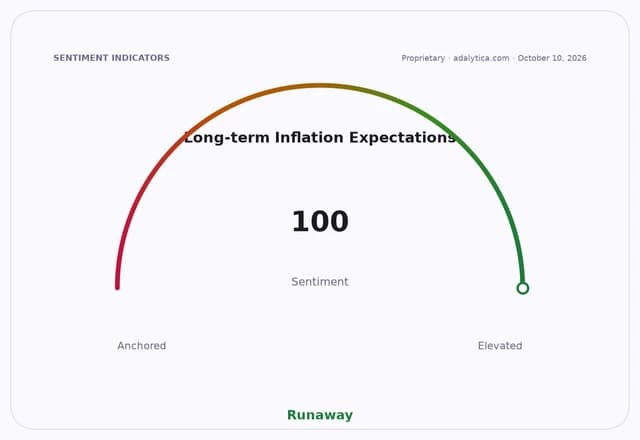
Sentiment IndicatorsⓘProprietary · adalytica.com · October 10, 2026
This is a snapshot — live sentiment, awareness and momentum for 130+ markets update continuously in the dashboard.Open AlphaPulse

The BNR kept its policy rate unchanged at 6.50% on Thursday, underscoring that it sees little room to declare victory over inflation. Core inflation, measured by CORE2 adjusted, slowed to 6.2% in August, helped by softer consumer demand and cheaper agricultural goods, but that still leaves price growth well above the central bank’s target zone and vulnerable to renewed shocks.
For households and companies, the message is straightforward: the respite in living costs may be short-lived. Higher fuel and energy prices will squeeze real incomes, while businesses face another round of cost pressure at a time when consumer confidence is already fragile and financing costs remain elevated. The BNR also pointed to telecom tariffs, higher RCA insurance and spillovers from fuel prices as factors that limited the decline in August.
The economic backdrop is being complicated by fiscal tightening. The central bank expects disinflationary pressure later on from weaker aggregate demand as budget correction measures, started in 2025 and continuing in 2026, temper spending. But that same fiscal adjustment, tied to commitments with the European Commission, can weigh on growth in the near term, making the policy mix more difficult to manage.
That is why the BNR’s emphasis on absorbing European Union funds is important. Brussels money can soften the growth hit from fiscal consolidation, support structural reforms and ease the energy transition, all while helping Romania avoid a sharper slowdown just as external risks build. The central bank cited the broader Middle East conflict and the energy crisis as key threats to prices, corporate profitability and the cost of financing.
For investors, the implication is that Romania’s bond yields and rate expectations may stay anchored at restrictive levels for longer, especially if inflation re-accelerates into year-end. Equity investors in consumer, retail and transport sectors face margin pressure, while utilities and fuel-linked businesses remain exposed to policy and commodity swings.
The near-term risk is that a temporary inflation dip is mistaken for a durable trend. The BNR’s latest message suggests the opposite: Romania is not yet past the inflation problem, and the next few months will determine whether disinflation resumes or the economy settles into another round of stubborn price pressure.
| Entity | Gains | Losses |
|---|---|---|
| BNR | ▲Policy credibility | ▼Room to cut rates |
| Households | ▲Temporary relief from August easing | ▼Higher fuel and utility costs |
| Importers | ▲Softer demand later on | ▼Commodity and FX-driven cost pressure |
| Consumer-focused companies | ▲Possible demand support from EU funds | ▼Margin squeeze from inflation and rates |