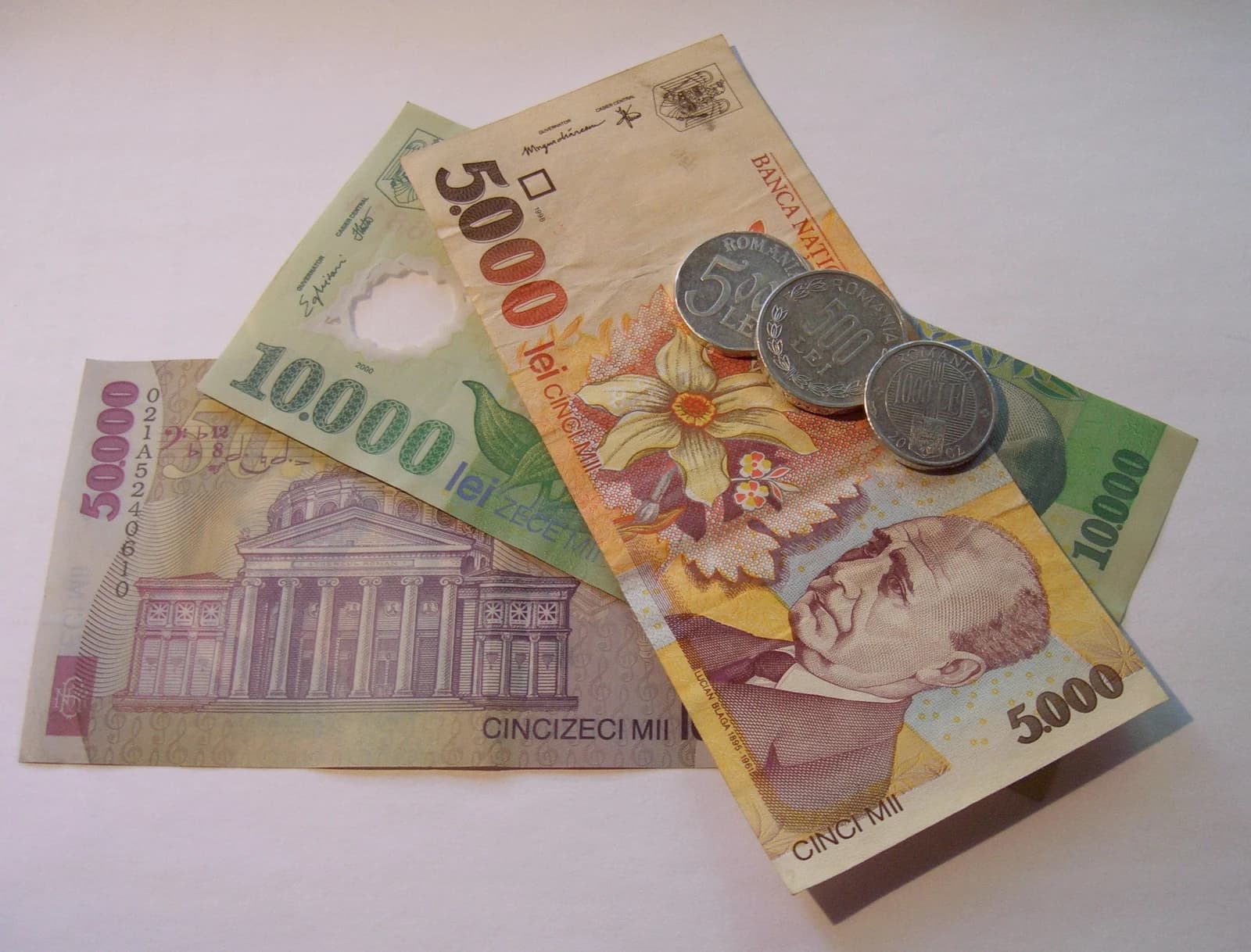
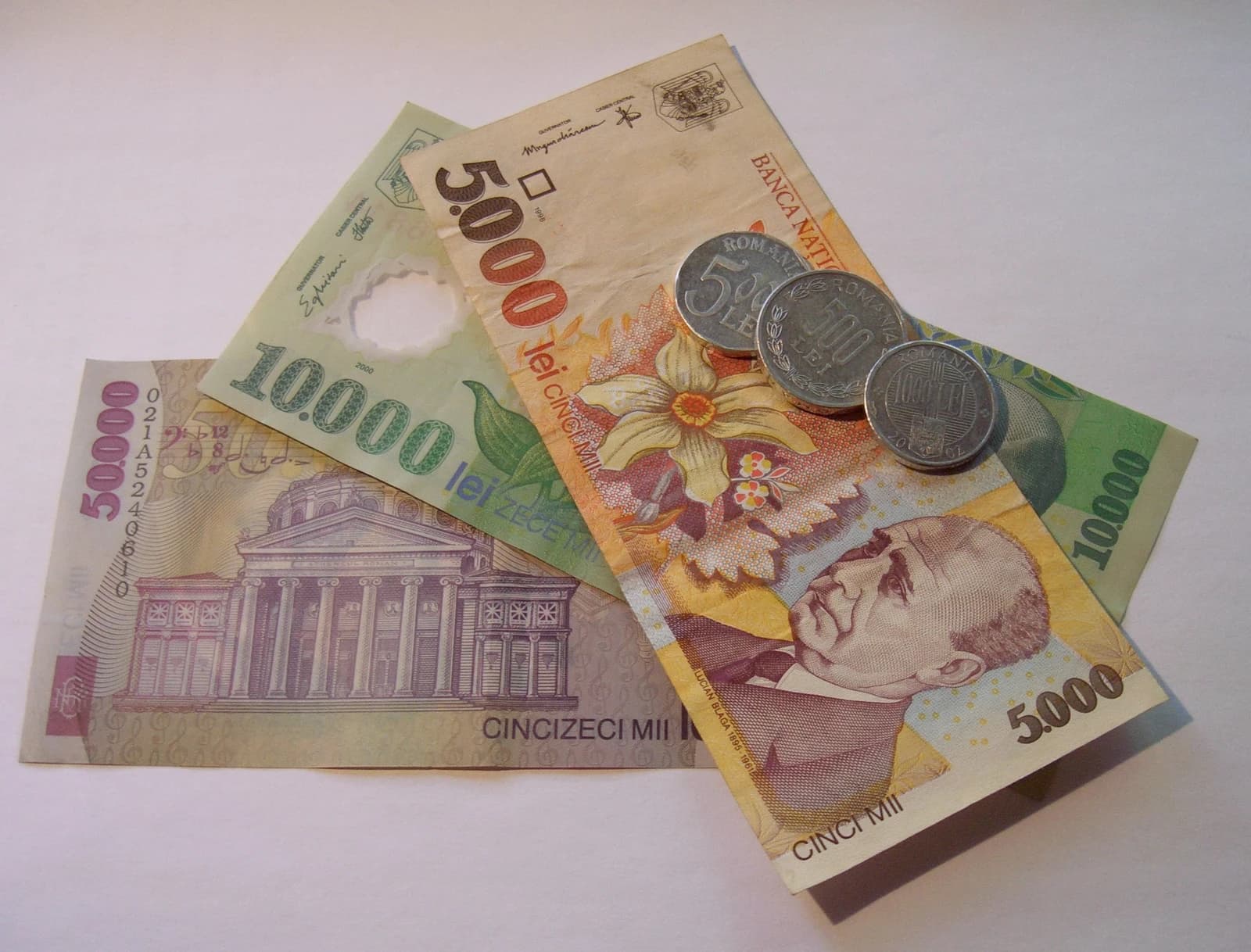
The euro and the dollar both slipped against the leu on Friday, a sign that Romania’s currency is still trading from a position of relative stability even as global foreign-exchange markets wobble.
Romanian leu holds steady as euro and dollar slip

The National Bank of Romania set the euro at 5.3414 lei, down 0.0056 lei from Thursday, while the U.S. dollar fell more sharply to 4.7612 lei from 4.7814 lei. The Swiss franc eased to 5.7280 lei and sterling to 6.3029 lei, extending a broad but modest pullback across major currencies. For consumers, importers and companies with euro- or dollar-linked costs, the move slightly reduces pressure on prices and balance sheets; for investors, it reinforces the leu’s role as a comparatively steady regional currency rather than a source of fresh FX stress.
Sentiment IndicatorsⓘProprietary · adalytica.com · October 11, 2026
This is a snapshot — live sentiment, awareness and momentum for 130+ markets update continuously in the dashboard.Open AlphaPulse
What matters is not the daily move itself, but the message beneath it: Romania is not seeing the kind of disorderly currency repricing that typically feeds inflation, strains corporate hedging and forces the central bank into defensive action. The euro is still near the upper end of its recent range against the leu, with BNR putting the single currency at a 2026 high of 5.3527 lei earlier this week, but the latest print suggests the market is digesting that level rather than breaking through it.
That matters economically because a stable leu helps preserve purchasing power and reduces imported inflation, especially in an economy where energy, machinery, consumer goods and a large share of industrial inputs are priced off the euro or dollar. It also gives Romanian companies more visibility on costs and debt service, which is crucial at a time when higher rates and slower European growth are already weighing on margins.
For investors, the key takeaway is that FX volatility remains an important macro variable, but not yet a crisis driver. The leu’s steadiness supports local bonds, helps limit pressure on domestic rates and gives the central bank more room to focus on growth and inflation rather than emergency currency defense. That is especially relevant for foreign investors looking at Romanian assets: a contained currency path lowers one of the biggest barriers to carry trades and local-currency exposure.
The bigger narrative is that this is a market still anchored by central-bank credibility, even as the euro and dollar weaken on the day. Adalytica’s Euro Trade Signals show extreme fear in euro sentiment despite elevated awareness, while the FX volatility gauge remains in a low-awareness, high-anxiety setup. In plain English: traders are paying attention, but not yet pricing a breakdown. That makes the leu’s stability an investable feature, not just a statistical footnote.
If the next few BNR fixes keep the euro near this band and the dollar contained, the market will continue to treat Romania as a relative haven in a noisy FX landscape. That favors local-currency debt, domestic banks and companies with euro revenue but leu costs — and it argues for staying positioned before volatility returns.
| Entity | Gains | Losses |
|---|---|---|
| Romanian consumers | ▲Slightly lower import costs | ▼None immediately |
| Importers and retailers | ▲Easier pricing and margins | ▼FX hedging complexity |
| BNR / leu | ▲Stability credibility | ▼Less room for surprise tightening |
| Euro and dollar holders | ▲None | ▼Slight repricing versus leu |