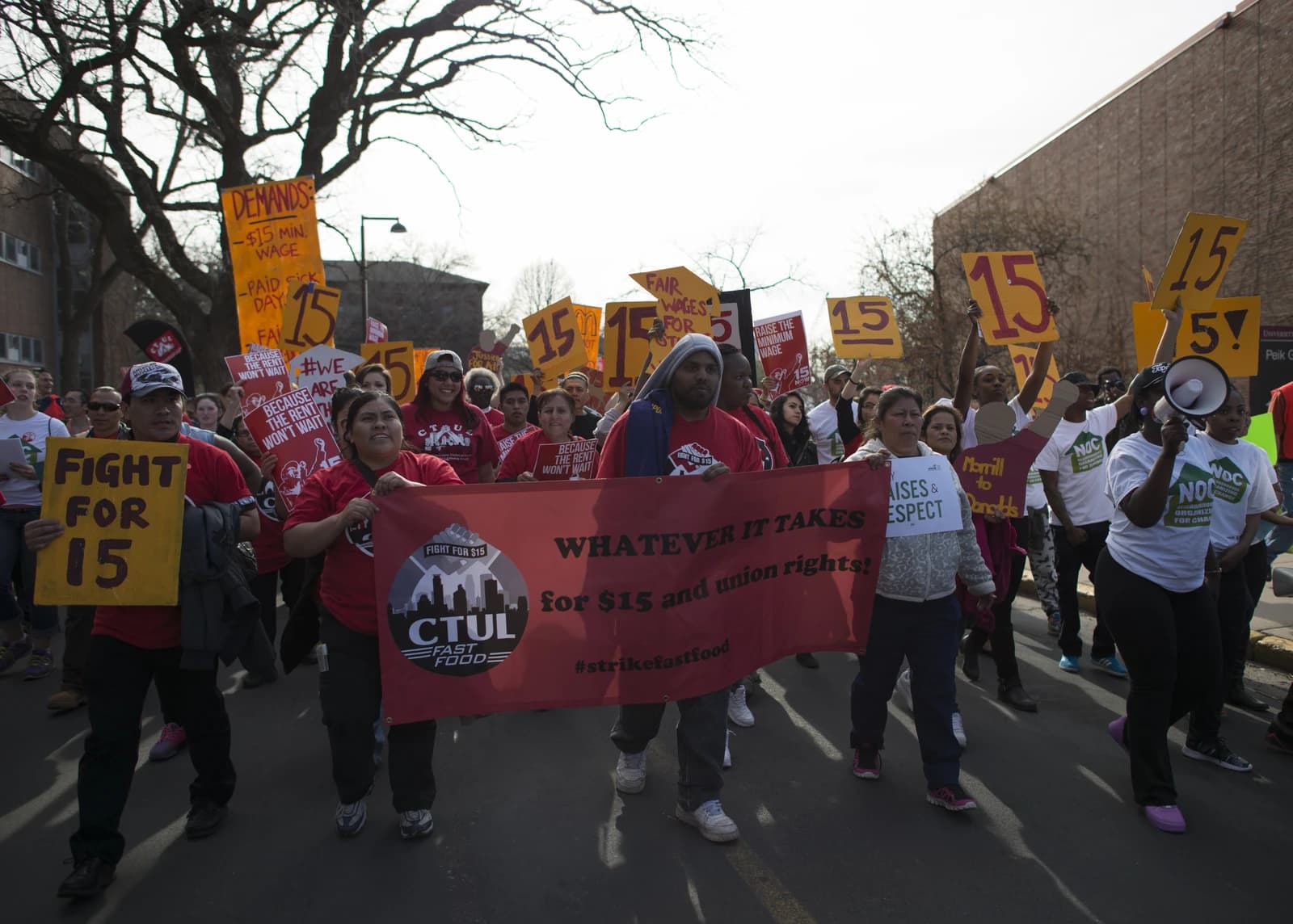
Colombia’s next minimum wage debate is taking shape around an 8% increase for 2027, with Corficolombiana arguing that the government should return to the technical formula of inflation plus productivity after this year’s outsized hike helped fuel a fresh inflation cycle.
Colombia minimum wage debate centers on 2027 hike
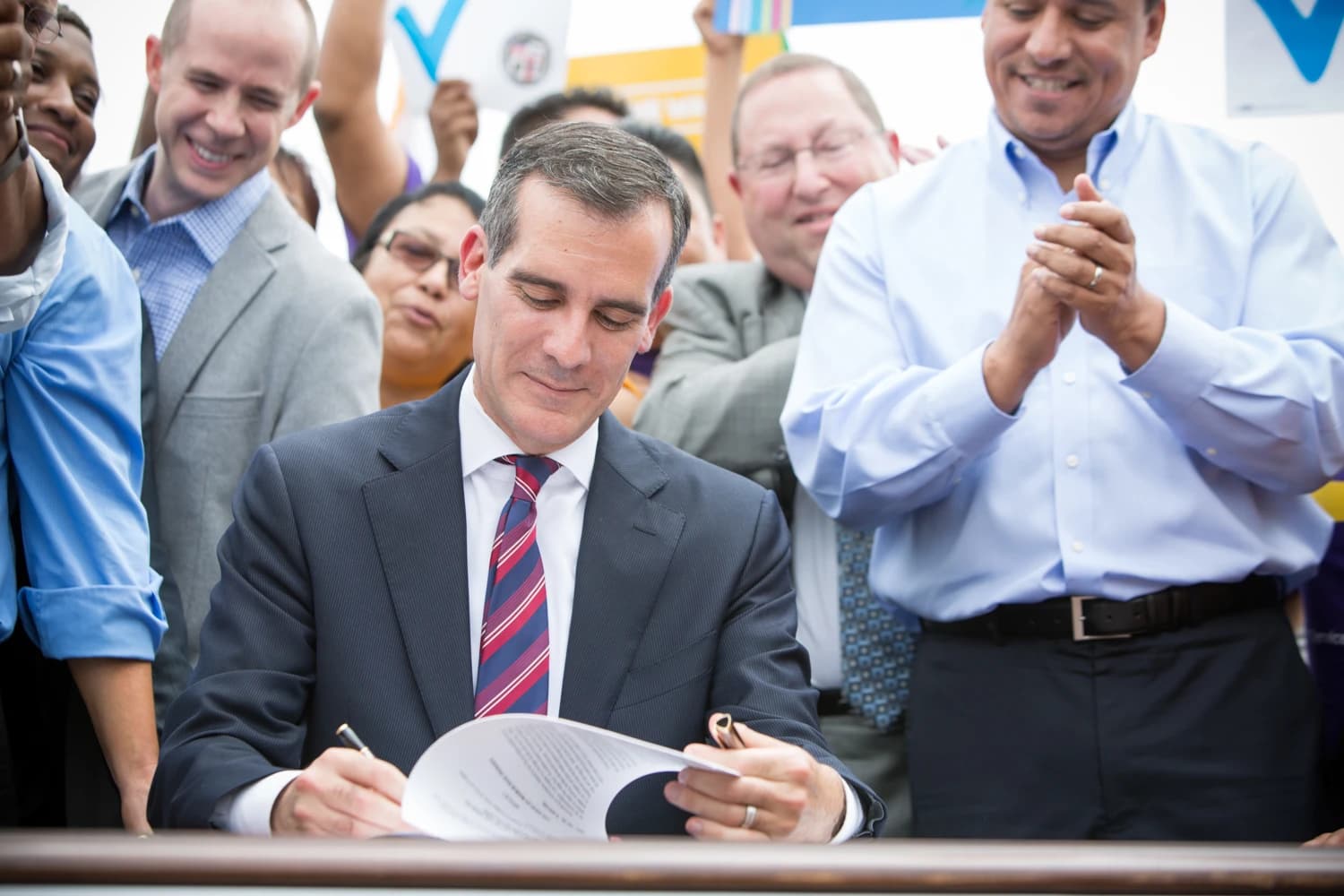
The bank’s weekly report says the calculation for 2027 comes from projected inflation of 6.8% at the end of 2026 and total factor productivity growth of 1.2%, producing an 8% adjustment. Corfi says the widening gap between the minimum wage and productivity has made it necessary to restore the rule-based approach for the 2027 settlement.
Sentiment IndicatorsⓘProprietary · adalytica.com · October 24, 2026
This is a snapshot — live sentiment, awareness and momentum for 130+ markets update continuously in the dashboard.Open AlphaPulse
That message matters because wage-setting in Colombia has become a major macroeconomic lever, not just a labor issue. Corfi says the 23% increase for 2026, which was 17 percentage points above inflation, was one of the main triggers of a new inflationary cycle it called unprecedented in the region.
The firm estimates the 2026 wage increase accounted for 63 basis points, or 53%, of the acceleration in inflation between December 2025 and September 2026, when consumer prices rose from 5.09% to 6.29%. It also said the shock helped keep one-year inflation expectations above the central bank’s target band for 14 months and left two-year expectations unanchored through 2026.
For investors, the stakes run through interest rates, credit conditions and consumption. Corfi says the inflation burst has pushed the Banco de la República to raise its policy rate by 300 basis points this year to 12.25%, lifting borrowing costs across the economy at a time when investment remains near historic lows at 16% of GDP.
A higher minimum wage would support household spending, especially among lower-income workers, but it would also add pressure to margins for employers in retail, restaurants, services and manufacturing. That is the trade-off that has kept minimum wage talks politically sensitive and economically consequential.
The broader backdrop is already weak: Colombia’s manufacturing production fell 3.7% in August, sales dropped 3.5%, and 29 of 39 activities posted declines. Corfi’s warning suggests policymakers may be forced to choose between protecting purchasing power and avoiding another round of inflation and tighter monetary policy.
The next leg of the story will come from wage negotiations and inflation readings heading into 2027, with the central bank’s room to ease still closely tied to whether the government sticks to a technical wage formula or opts for another politically driven increase.
| Entity | Gains | Losses |
|---|---|---|
| Low-wage workers | ▲Higher pay floor | ▼Risk of slower hiring |
| Employers | ▲Predictability from rule-based formula | ▼Higher labor costs if wage rises above productivity |
| Banco de la República | ▲Easier inflation control if formula holds | ▼Less room to cut rates if wages jump |
| Consumers | ▲Potentially steadier prices | ▼Weaker purchasing power if inflation stays high |