Italy’s 2027 budget debate is increasingly shaping up as a contest over who absorbs the cost of higher prices, weaker public services and a still-fragile labor market, with the clash over wages and welfare likely to dominate the run-up to the next election.
Italy 2027 Budget Debate Focuses on Wages and Welfare
That makes the fight economically important well beyond Rome’s parliamentary theater. After several years of inflation that eroded household purchasing power, the question is no longer just whether pay can keep up, but how much of the adjustment should come from wages, taxes, benefits and state spending. For investors, the answer will help determine the pressure on domestic demand, the durability of labor peace, the direction of fiscal policy and the government’s willingness to intervene in sectors ranging from banks to energy.
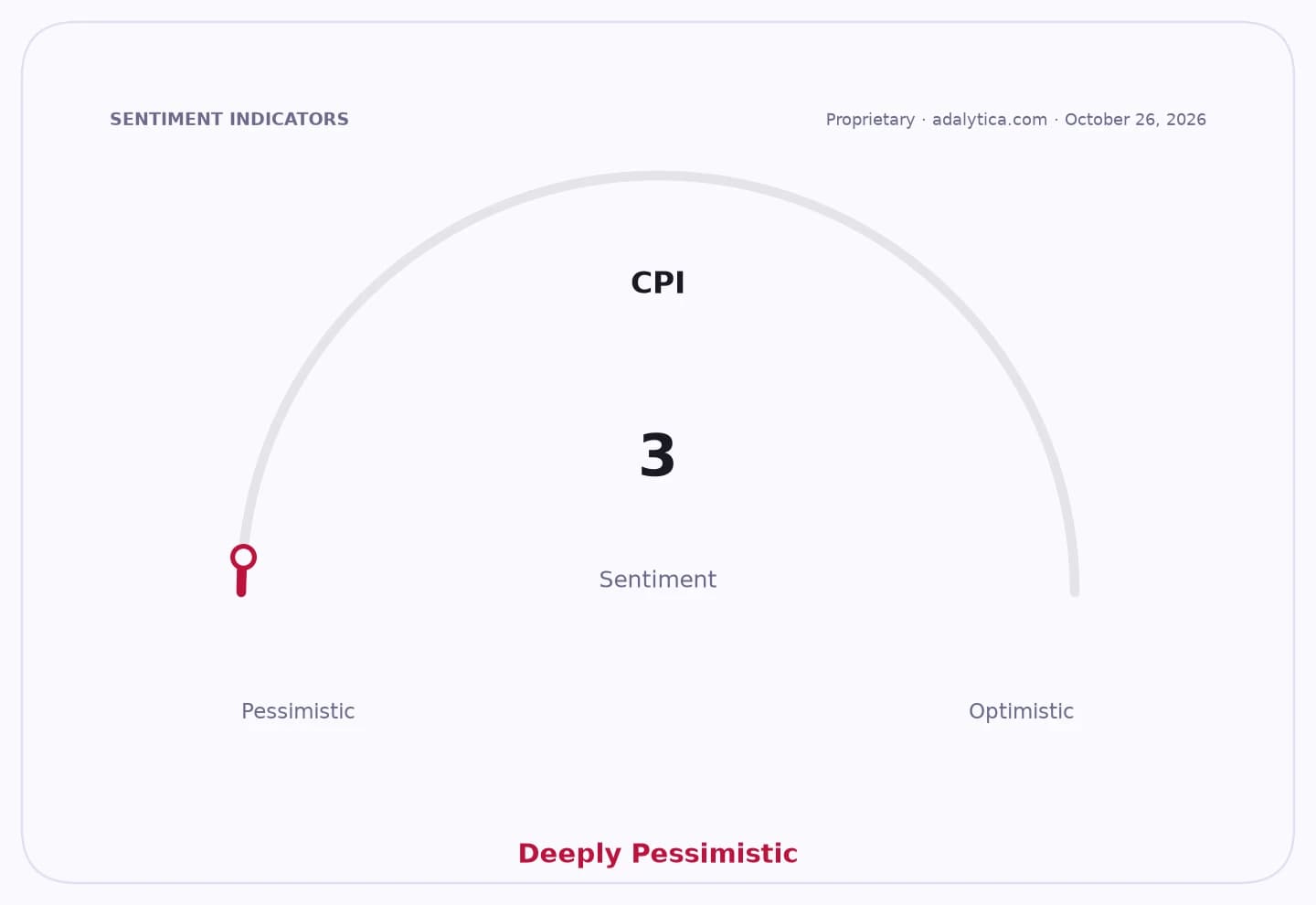
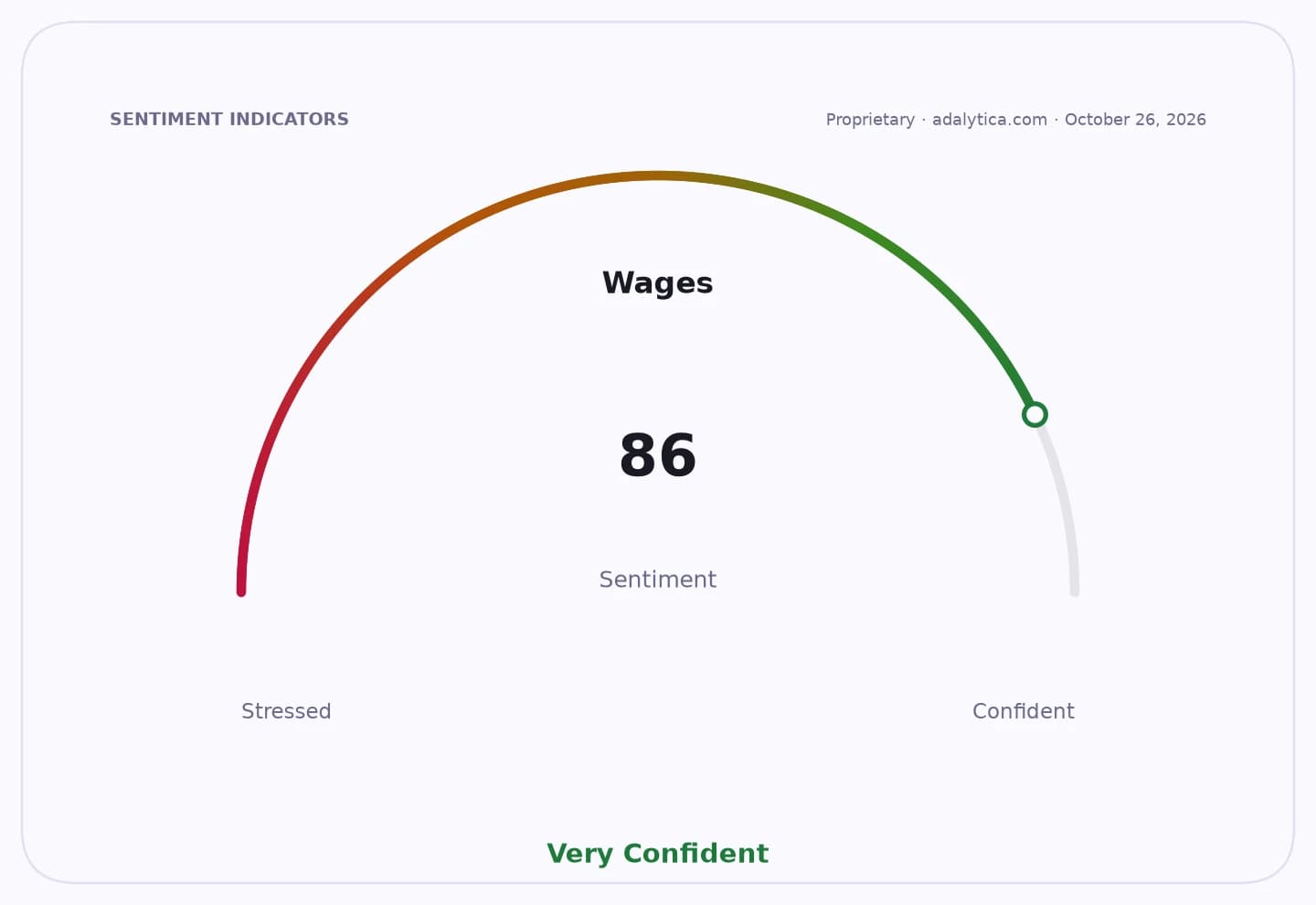
Sentiment IndicatorsⓘProprietary · adalytica.com · October 26, 2026
This is a snapshot — live sentiment, awareness and momentum for 130+ markets update continuously in the dashboard.Open AlphaPulse
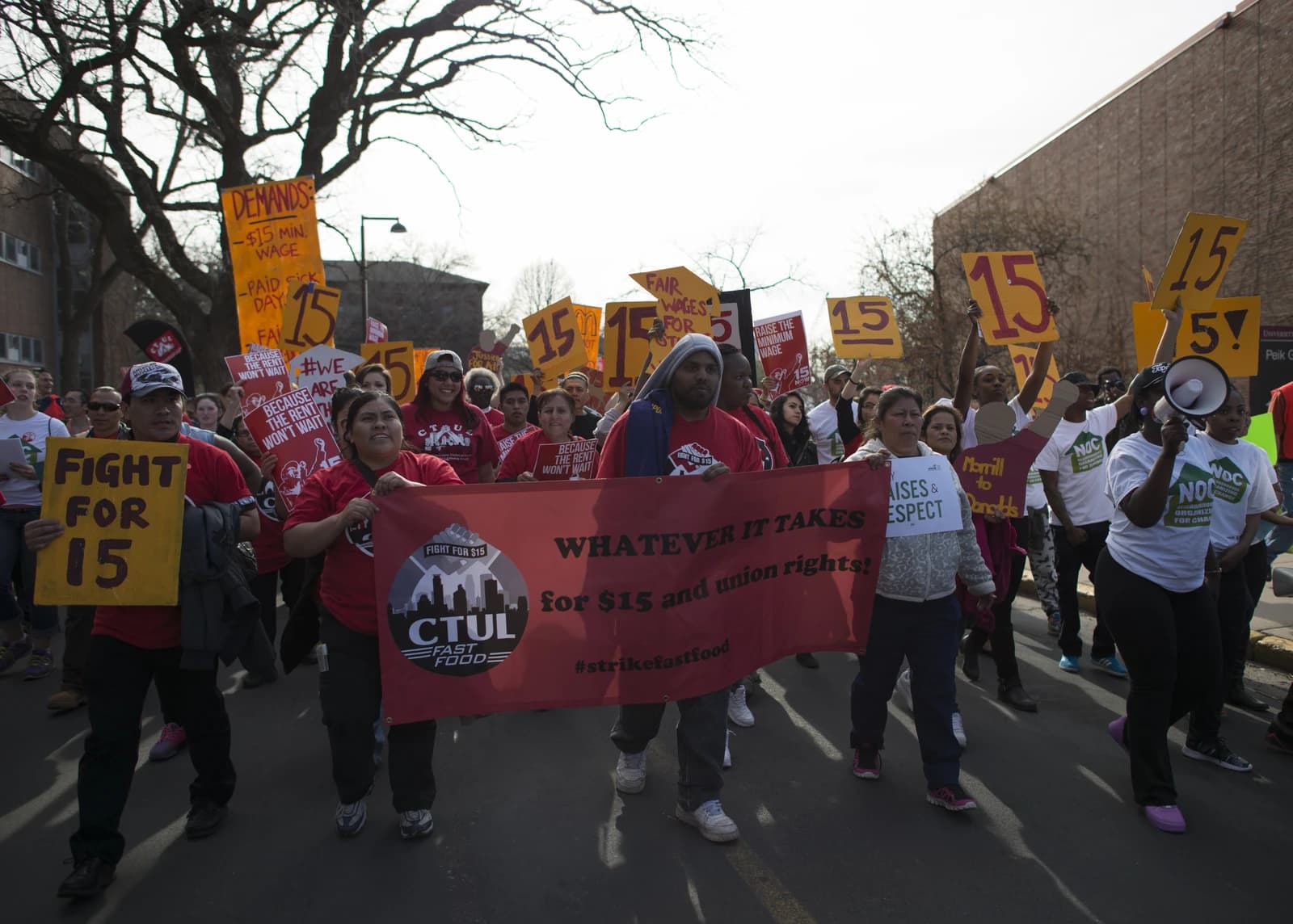
The immediate flashpoint is the opposition’s push for a statutory minimum wage, versus the ruling coalition’s preference for a more flexible framework tied to collective bargaining. That divide is central because much of Italy’s private-sector pay is set through national contracts rather than law, and several major agreements have recently been renewed. The government argues that the labor market is functioning largely through those channels; its critics say that is not enough in areas with weak bargaining power, including gig work and other low-contract sectors.
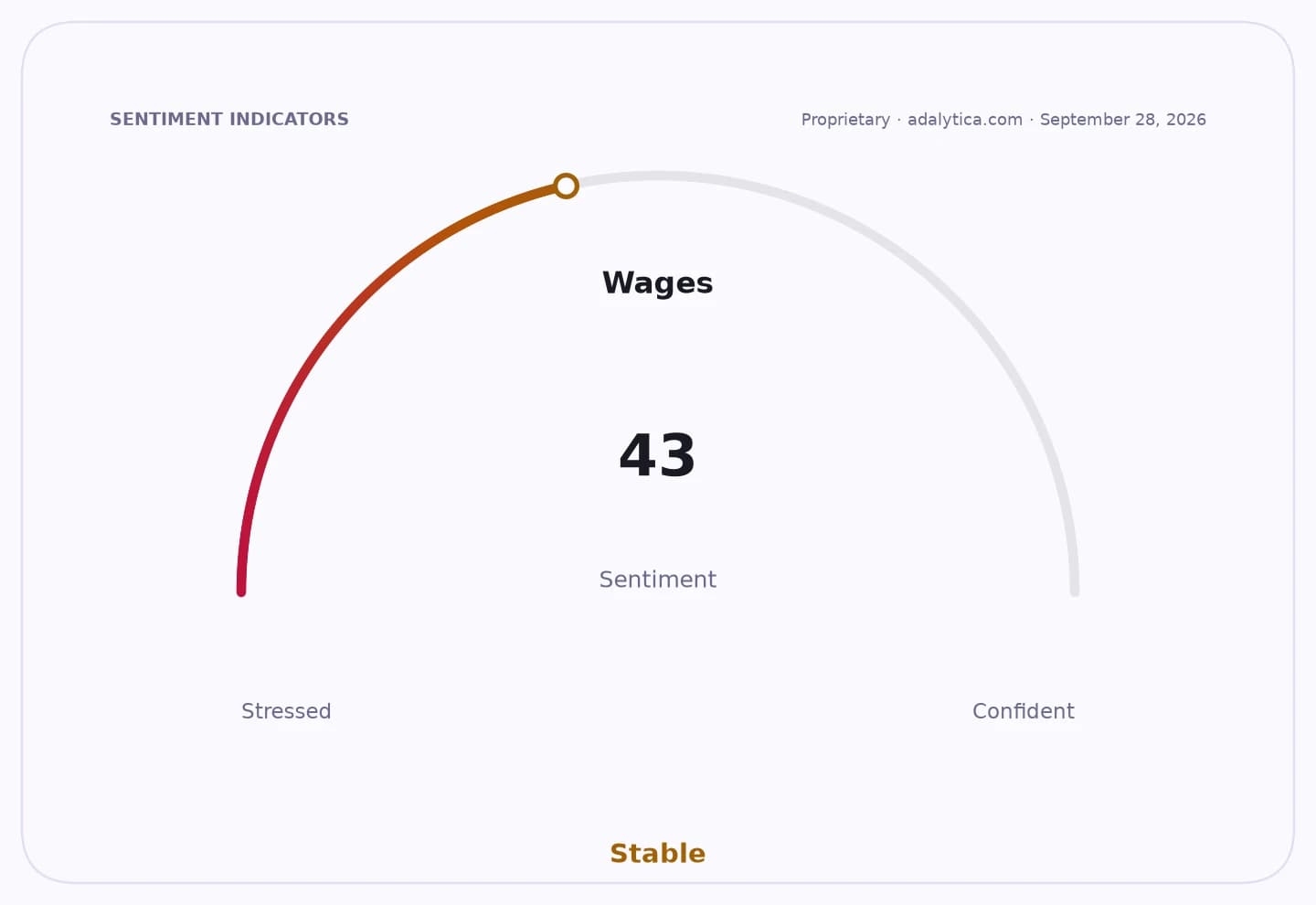
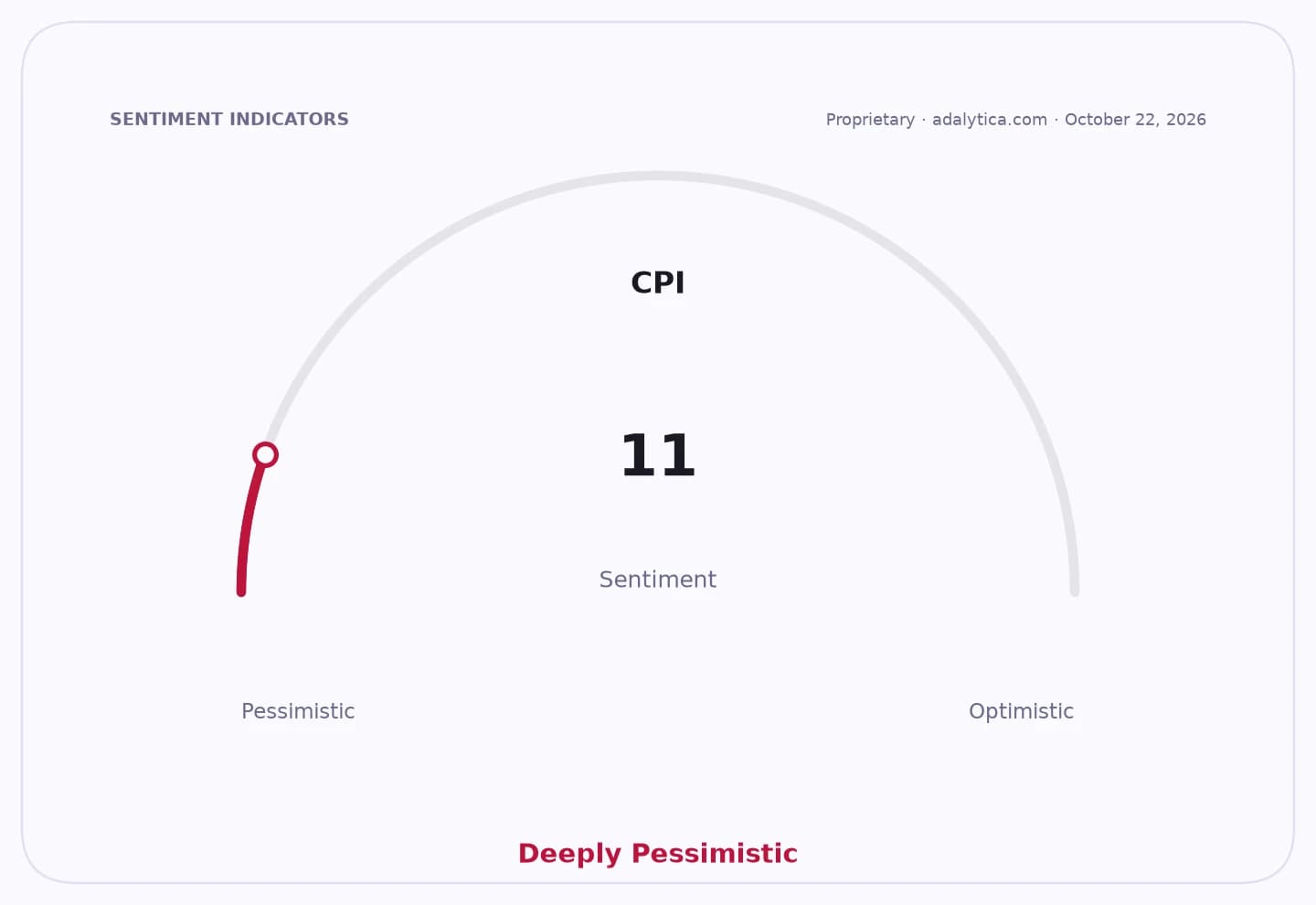
The inflation backdrop explains why the issue has become politically explosive. The consumer-price surge of the past five years has cut real wages and shrunk savings, especially when energy bills jumped. Even if headline inflation is easing, the cumulative loss of purchasing power is still feeding social pressure. Adalytica’s Wage Inflation Sentiment indicator is in “Extreme Greed,” reflecting heightened market attention to wage gains, while CPI sentiment is in “Extreme Fear,” underscoring how sensitive the debate remains to price stability.
The government has already signaled it is willing to redistribute, at least in part, by setting aside a one-off 5 billion euro levy on banks and insurers. That matters economically because it shows the budget is being used not only to fund current spending, but to reallocate some of the gains from the higher-rate environment that boosted financial-sector profits across Europe. It also suggests the coalition is prepared to use fiscal tools to blunt social tensions without reopening a broader wage-price spiral.
Welfare is the other unresolved leg of the story. Health care and schools remain heavily public, but Italy’s regionalized health system has left uneven standards and persistent complaints about minimum service levels. That gives the budget a broader significance than a simple pre-election spending package: it is effectively a judgment on whether the state can still guarantee basic social protection at a time of geopolitical stress, higher defense outlays and slower growth. The broader macro picture is one of scarce fiscal room and competing claims on spending, from pensions and public-sector pay to housing and industrial support.
The market relevance is clearest in rates, banks and domestic cyclicals. Higher wage costs without commensurate productivity gains would squeeze corporate margins, especially in labor-intensive sectors. A looser social settlement, by contrast, could support household consumption and reduce strike risk. Banks may face another round of fiscal extraction if Rome leans on them again, while bond investors will be watching whether welfare commitments and targeted levies are temporary political maneuvers or the start of a more permanent redistribution model.
For now, the most important signal is not the size of any single measure, but the direction of travel. Italy is moving toward an election in which wages, inflation and welfare are no longer separate files, but the same fiscal argument. The closer the government gets to 2027, the more likely it is that labor policy, tax policy and social spending will be treated as one package — and the more investors will need to price in a budget process driven by politics as much as by economics.
| Entity | Gains | Losses |
|---|---|---|
| Workers and households | ▲Higher pay and benefits | ▼Continued real-income erosion |
| Government coalition | ▲Fiscal flexibility, political credit | ▼Budget strain, credibility risk |
| Banks and insurers | ▲Stability if levy is one-off | ▼Extra tax burden, lower profits |
| Consumers and domestic demand sectors | ▲Support from wage gains and transfers | ▼Margin pressure if costs rise faster than prices |