A salary of 18,000 euros now carries almost four times the personal income tax burden it did in 2019 once inflation is taken into account, underscoring how price rises have quietly lifted effective tax bills even without an explicit rate increase.
Spain inflation raises tax burden on 18,000-euro salaries
That makes inflation not just a cost-of-living problem, but a fiscal one. As wages are pushed nominally higher to keep pace with prices, more workers are dragged into higher brackets and deductions lose value in real terms, allowing governments to collect more revenue from the same level of purchasing power.
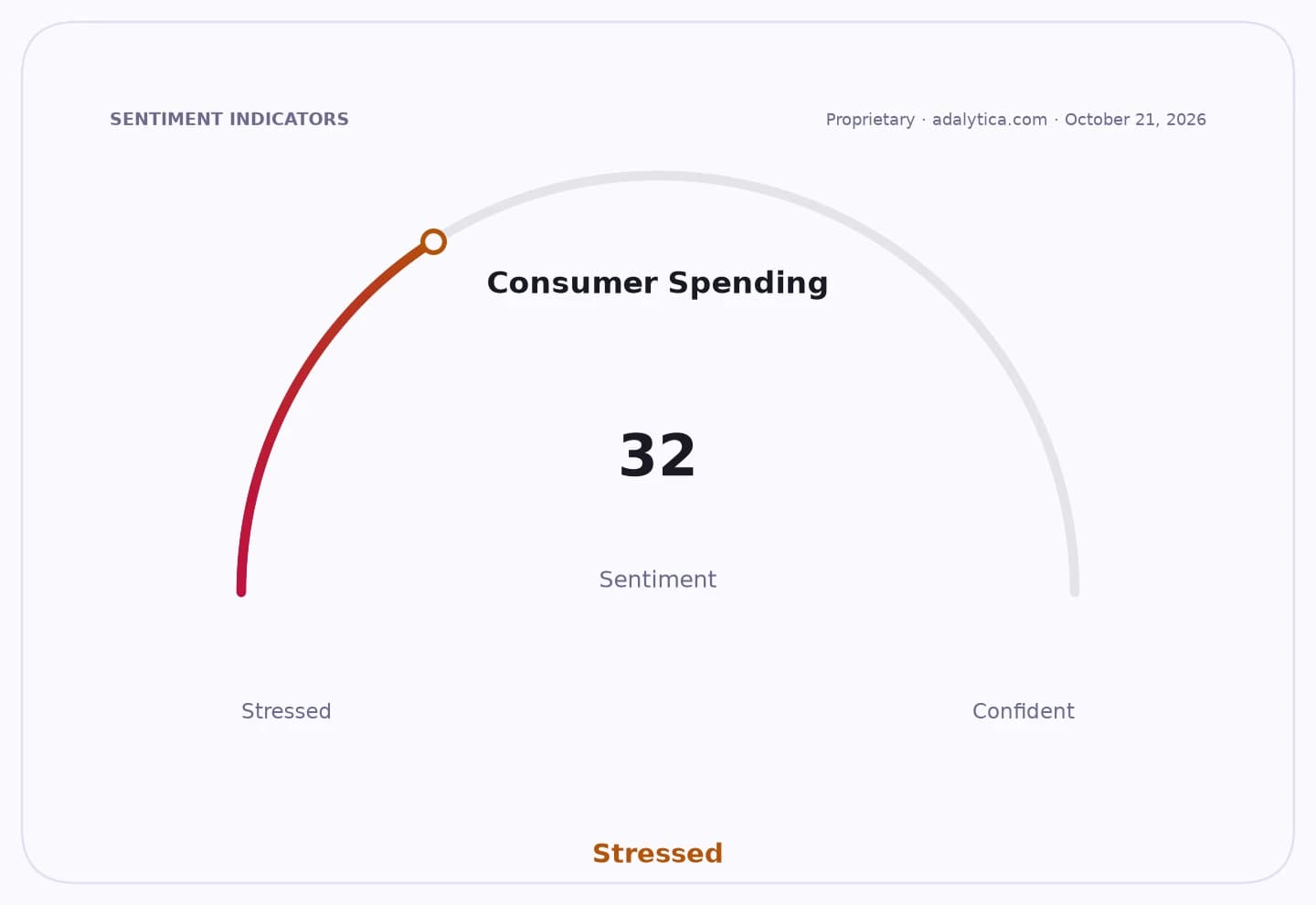
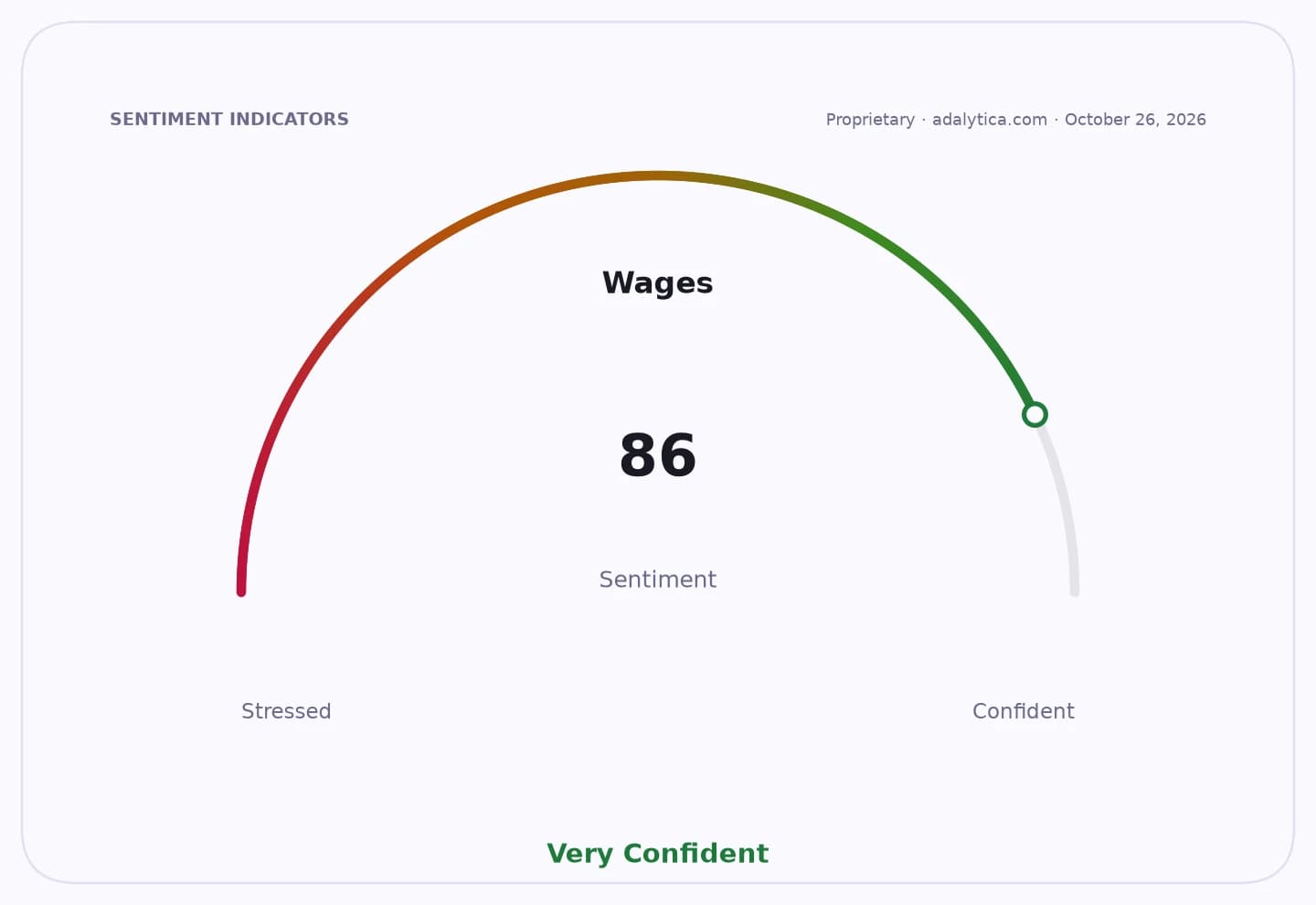
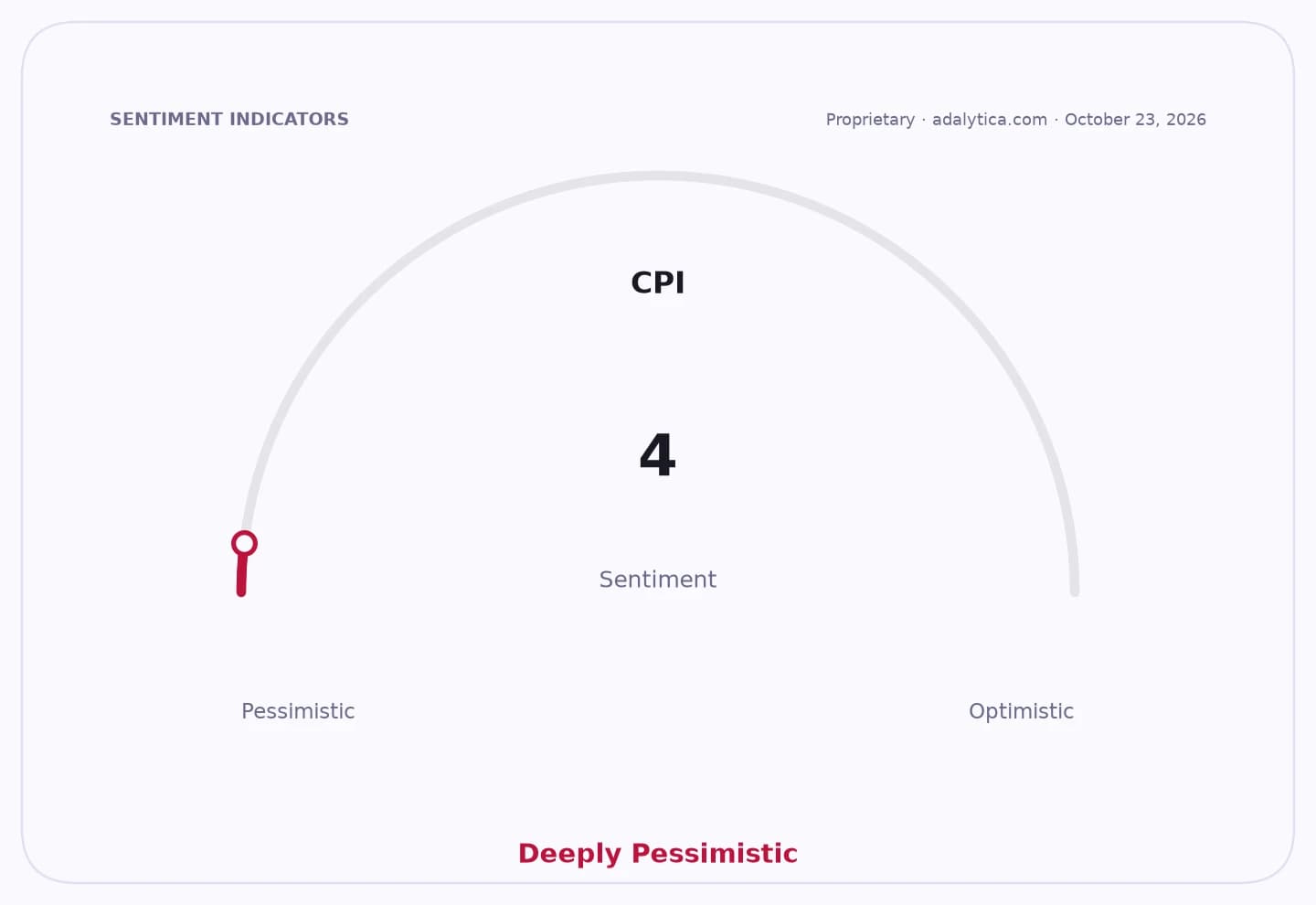
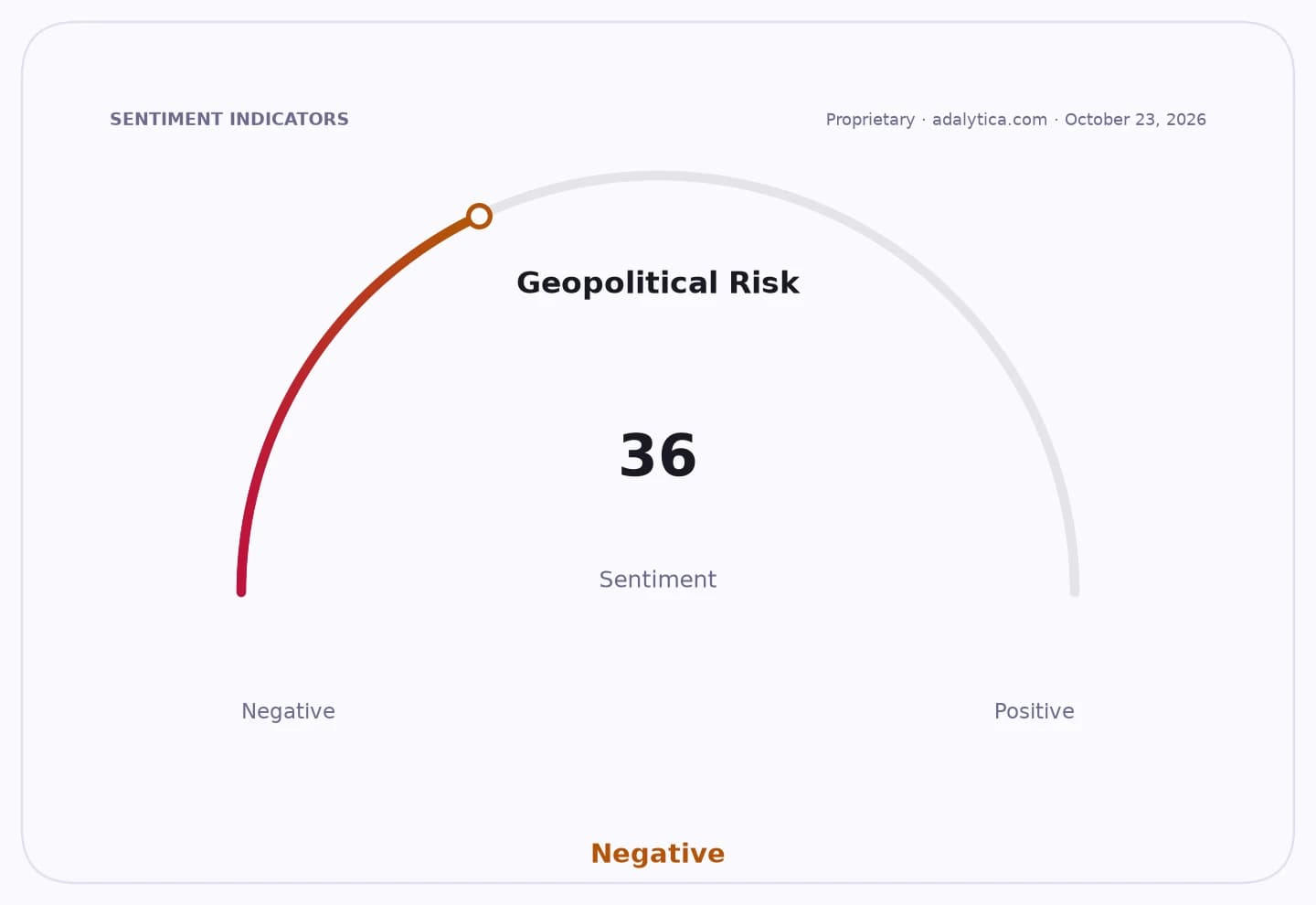
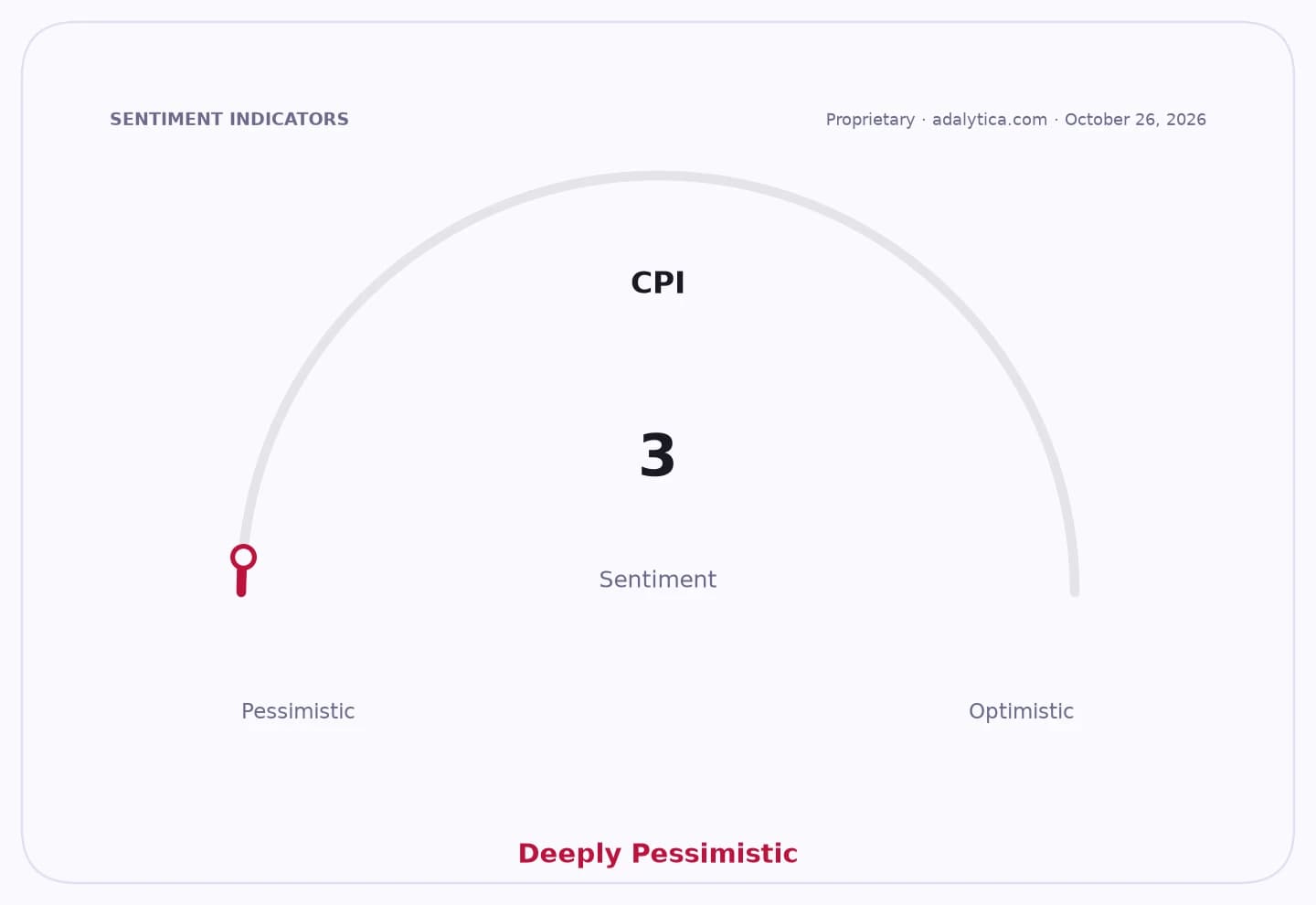
Sentiment IndicatorsⓘProprietary · adalytica.com · October 26, 2026
This is a snapshot — live sentiment, awareness and momentum for 130+ markets update continuously in the dashboard.Open AlphaPulse
The Spanish report argues inflation accounts for more than half of the increase in fiscal pressure on households, a reminder that so-called bracket creep can be as important as headline tax policy in determining what workers actually keep. For a household on a modest income, the difference is material: the same nominal salary buys less than it did in 2019, but is taxed as if it were much richer.
That dynamic matters for investors because it shapes consumer demand, wage negotiations and policy risk across Europe. Higher effective tax burdens can curb spending power at the lower end of the income scale, while governments facing sticky inflation may be tempted to let the extra revenue stand rather than index taxes fully to prices.
Currency and rate markets are already reflecting a backdrop of uneven inflation pressure. The euro was little changed around $1.12, while euro-zone-focused ETF FXE traded near 103.35, close to the lower end of its recent range, with RSI readings and moving averages pointing to a subdued technical setup rather than a strong directional move.
In the United States, the latest CPI projection points to a slight month-on-month decline in October after a renewed pickup in recent months, while the fed funds rate and 10-year Treasury yield remain elevated at 3.75% and about 5.0%, respectively. That keeps the global tax-and-inflation debate alive: where prices stay sticky, governments often collect more, households feel squeezed, and investors must decide whether the hit to real incomes will eventually filter into slower growth and weaker consumption.
| Entity | Gains | Losses |
|---|---|---|
| Governments | ▲Higher tax receipts | ▼Pressure to index brackets |
| Low- and middle-income workers | ▲None | ▼Higher effective tax burden |
| Consumers | ▲None | ▼Weaker real disposable income |
| Equities tied to consumption | ▲Fiscal stability narrative | ▼Slower spending growth |