Italy’s opposition Democratic Party is pressing the government to make healthcare the centerpiece of the 2027 budget, arguing that the 2.4 billion euros earmarked in the draft fiscal plan is far short of what the public system needs and less than half of what Health Minister Orazio Schillaci has sought.
Italy Democrats Push for More Health Spending
The political fight matters because Italy’s publicly funded health service is already under strain from staffing shortages, waiting lists and rising demand, while regional governments are being asked to deliver more care with constrained budgets. Schlein’s demand to lift health spending to 7% of GDP — roughly the European average — would require a much larger structural commitment from Rome and would shift the debate from incremental top-ups to a broader reprioritization of public spending.
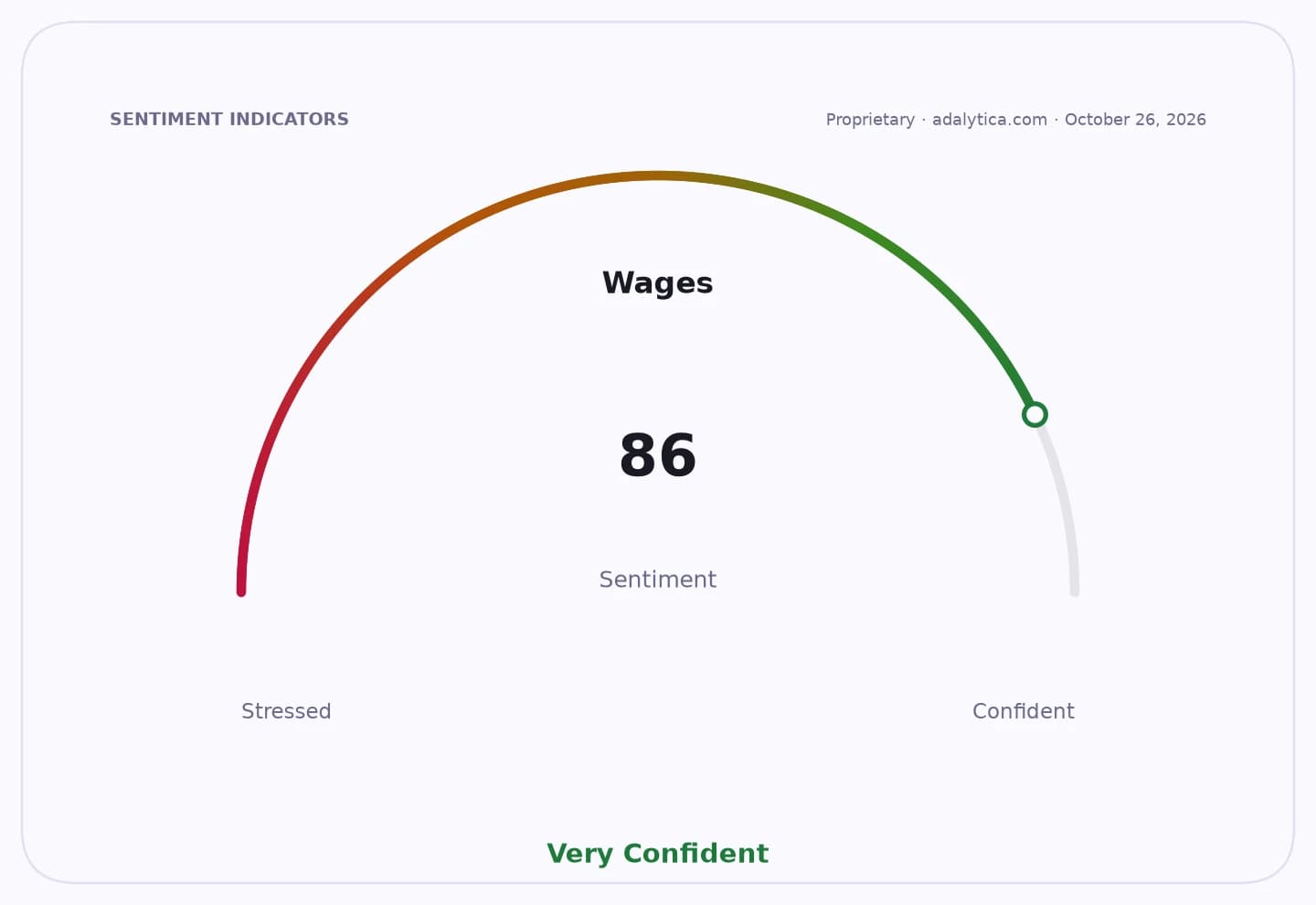
Sentiment IndicatorsⓘProprietary · adalytica.com · October 25, 2026
This is a snapshot — live sentiment, awareness and momentum for 130+ markets update continuously in the dashboard.Open AlphaPulse
Her intervention also reflects a growing regional backlash. Schlein cited six regional presidents, including Michele de Pascale, Stefania Proietti, Alessandra Todde, Eugenio Giani, Roberto Fico and Antonio Decaro, who have urged the government to treat health care as a real priority in the next budget. That matters economically because Italy’s regions administer much of the health system; when central funding falls short, the pressure often ricochets through regional deficits, service cuts and delayed procurement.
For investors, the issue is less about one budget line than about the durability of spending across the healthcare supply chain. A sustained increase in public funding would be supportive for hospital operators, medical equipment makers, diagnostics groups and outsourced services, while a failure to close the gap risks prolonging tight reimbursement conditions and slower project execution. It also keeps pressure on the government’s broader fiscal room at a time when every additional euro for health has to compete with pensions, wages and debt servicing.
The debate is likely to intensify as the budget process advances. If Rome sticks close to the current 2.4 billion-euro figure, the clash with regions and the center-left will remain political rather than fiscal. If it moves closer to Schlein’s demand, investors should expect a more expansionary stance for the sector — but also a renewed argument over how Italy will pay for it.
| Entity | Gains | Losses |
|---|---|---|
| Public healthcare system | ▲More funding, capacity | ▼Budget squeeze |
| Italian regions | ▲Higher central support | ▼More unfunded care burden |
| Healthcare providers | ▲Better reimbursement outlook | ▼Prolonged underinvestment |
| Government fiscal hawks | ▲Spending restraint | ▼Political pressure to spend more |