Italy’s ruling coalition is converging on a tighter 2026 budget that prioritizes families, health care and energy relief, while leaving a €5 billion contribution from banks as one of the last unresolved and politically sensitive pieces.
Italy budget focuses on families and bank levy talks
Prime Minister Giorgia Meloni and Economy Minister Giancarlo Giorgetti used a majority summit on Oct. 19 to impose a firmer line on spending, signaling that scarce fiscal room will be reserved for measures with immediate impact on households rather than the long wish list of coalition parties. That matters because Italy is trying to balance election-year pressure with a budget constrained by limited room under EU rules and by negotiations with Brussels over greater flexibility.
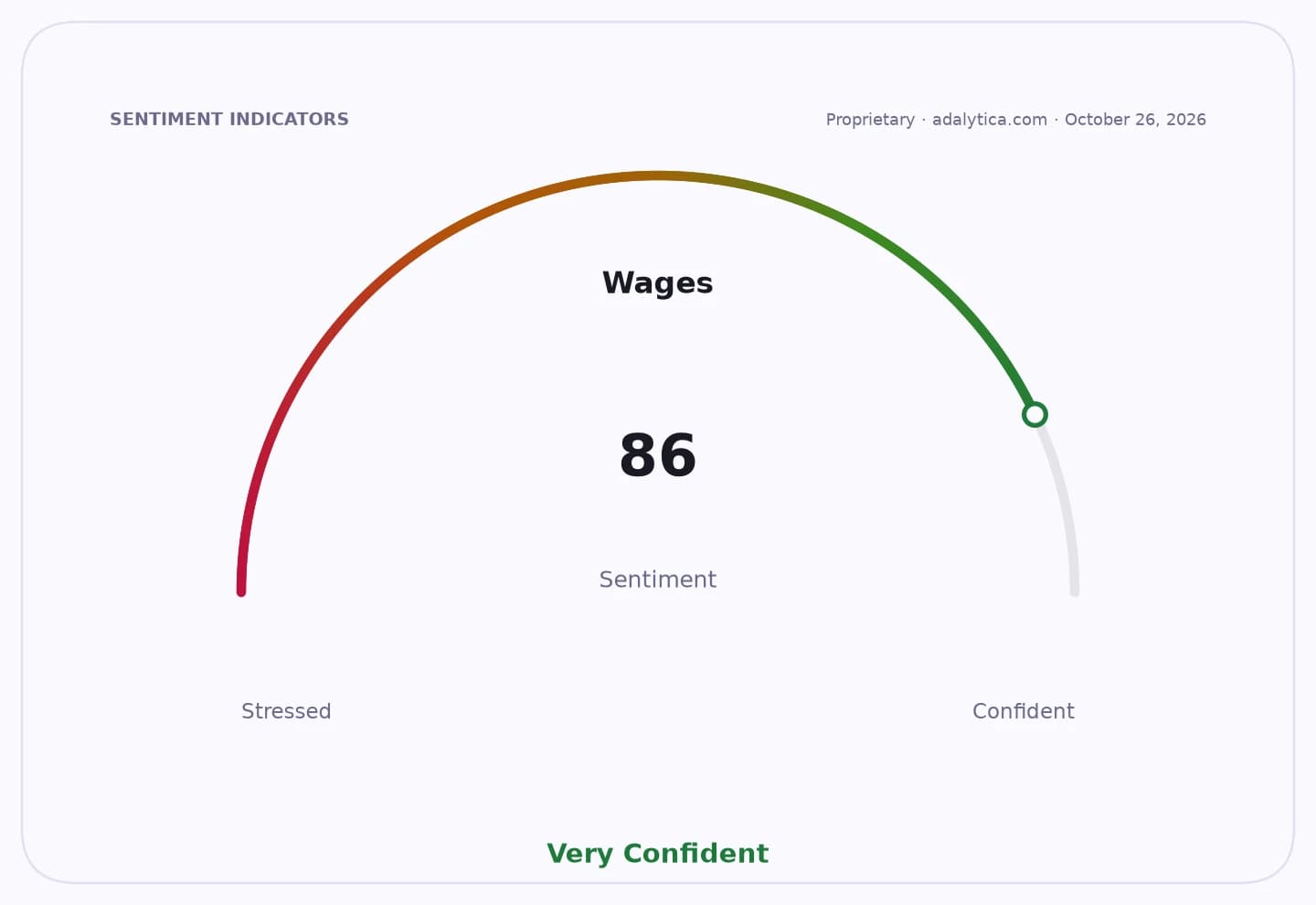
Sentiment IndicatorsⓘProprietary · adalytica.com · October 24, 2026
This is a snapshot — live sentiment, awareness and momentum for 130+ markets update continuously in the dashboard.Open AlphaPulse
The government’s message is that any new money must go to “tangible” measures for citizens, with priorities including support for young people and pensioners, a stronger health service, aid for families and steps to cushion high energy costs. The approach reflects a broader effort to keep the deficit on track while avoiding a budget that markets could read as fiscally loose at a time when Italy’s debt burden remains one of the highest in the euro area.
The most immediate flashpoint is the banking sector. The draft budget already counts on €5 billion from financial institutions, but last year’s three-year agreement with lenders makes any fresh levy politically and legally delicate. That sets up a tense negotiation with the Italian banking association, ABI, and keeps pressure on bank stocks and earnings expectations if the government hardens its stance.
Coalition partners are still pushing competing demands, including the League’s flat-tax proposals, Forza Italia’s push for middle-income tax cuts and further social relief, and broader measures from Noi Moderati. But Meloni and Giorgetti are signaling that most of those requests will be trimmed back as the cabinet works toward a package that fits the available fiscal envelope and the outcome of talks with the European Commission.
For investors, the key question is whether Rome can deliver a budget that protects households without reopening doubts about Italy’s fiscal discipline or imposing an unexpectedly heavy bill on lenders. The next catalyst is the final shape of the budget bill and the outcome of the government’s negotiations with both Brussels and the banking sector.
| Entity | Gains | Losses |
|---|---|---|
| Italian households | ▲More support for families, health care, energy | ▼Fewer tax giveaways than parties want |
| Italian banks | ▲Possible clarity after talks | ▼€5 billion levy pressure |
| Meloni government | ▲Fiscal control and political discipline | ▼Coalition friction over spending |
| Investors in Italy | ▲Better budget visibility if talks stay contained | ▼Risk of bank-tax and deficit surprises |