Italy has lifted its growth outlook for 2026, but the real market story is that the country’s deficit is set to move back above the European Union’s 3% threshold once defense and energy spending are folded in.
Italy raises 2026 growth outlook as deficit widens

That matters because Rome is trying to prove it can restore fiscal credibility without choking off growth, a balancing act that will shape borrowing costs, investor confidence and how much room Prime Minister Giorgia Meloni has to maneuver ahead of the 2027 election. A stronger economy helps the numbers, but higher spending and still-elevated debt mean Italy is not out of the woods.
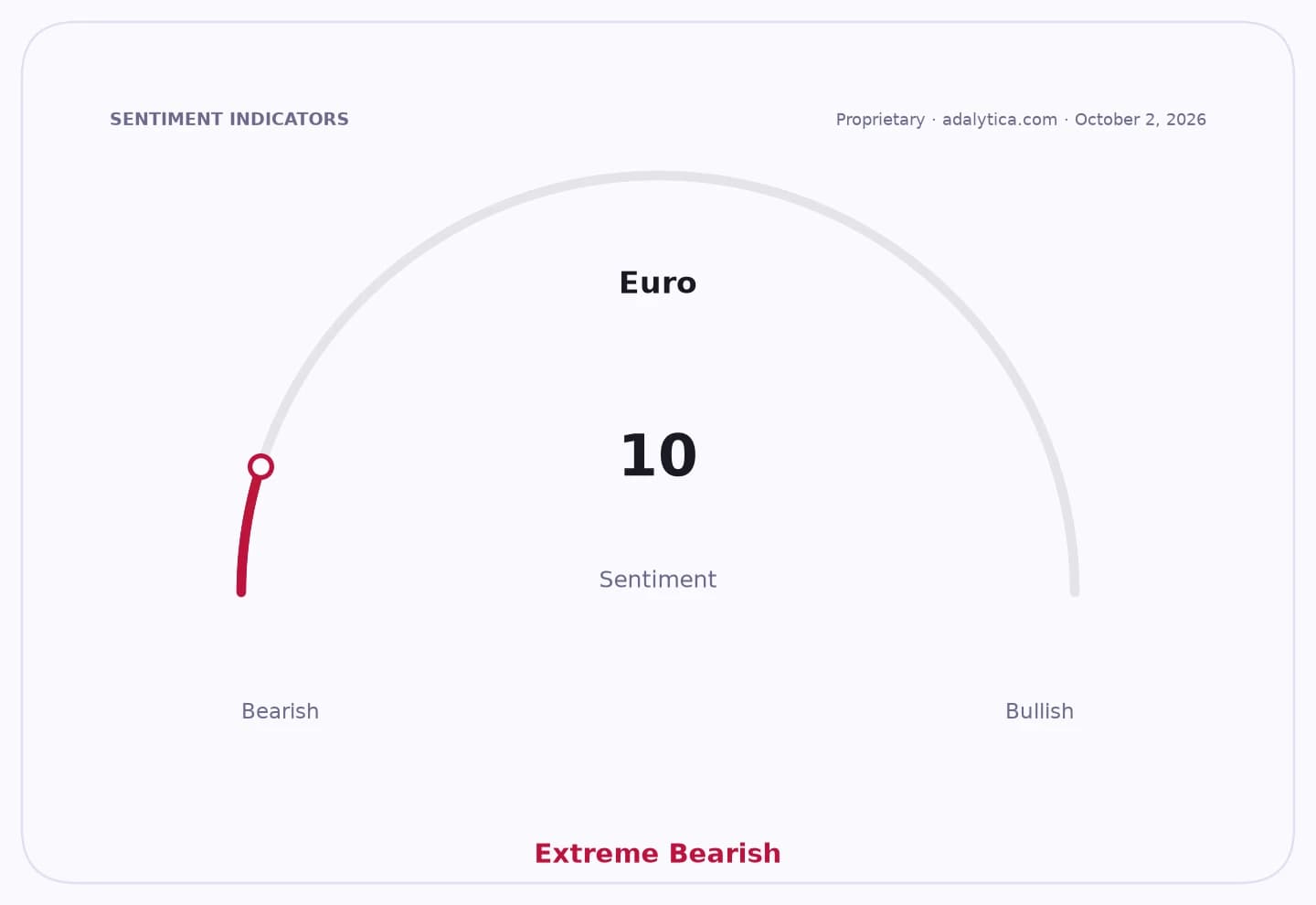
Sentiment IndicatorsⓘProprietary · adalytica.com · October 3, 2026
This is a snapshot — live sentiment, awareness and momentum for 130+ markets update continuously in the dashboard.Open AlphaPulse
Economy Minister Giancarlo Giorgetti said Friday that gross domestic product is now expected to rise 1.0% in 2026, up from a prior 0.6% forecast, while next year’s estimate was raised to 0.8% from 0.6%. On paper, that is progress. It suggests the economy is holding up better than feared despite higher energy prices, tighter financing conditions and a difficult regional backdrop.
But the fiscal picture is less comforting. Italy now expects the budget gap to widen to 3.4% of GDP in 2027, after using European Union flexibility to spend more on defense and to cushion the energy shock. Giorgetti argued the deficits for the next two years should be viewed after stripping out those extra costs, which in his view would leave Italy below 3%.
For investors, that distinction is important, but not enough to erase the risk. Bond markets care about the headline numbers first, and Italy’s debt burden remains one of the largest in Europe. The country’s debt-to-GDP ratio is now seen peaking at 138.5% next year before beginning to ease only in 2028, a year later than previously planned. That delay means fiscal repair is happening more slowly than hoped, even with faster growth.
There is also a political layer. Meloni is assembling her final budget before the 2027 parliamentary vote, and like many European governments she is being pulled between fiscal restraint and the need to spend more on security and energy resilience. That tension is not unique to Italy, but Italy’s high debt makes it far more sensitive to any slippage.
The market response has been muted rather than celebratory, which is exactly what you would expect when growth improves but debt dynamics remain sticky. Investors in Italian assets will likely focus less on the upgraded GDP forecast and more on whether the government can keep borrowing costs contained while staying within Brussels’ rules in substance, if not always in form.
The long-term takeaway for investors is straightforward: Italy is still trying to buy time. Better growth is helpful, and it lowers the odds of an immediate fiscal wobble. But until deficits trend lower without accounting adjustments and debt begins a durable decline, Italy will remain a story of fragile progress rather than a clean turnaround.
| Entity | Gains | Losses |
|---|---|---|
| Italian government | ▲Stronger growth optics | ▼Higher deficit scrutiny |
| Bond investors | ▲Better near-term growth data | ▼More debt and issuance risk |
| Defense and energy spending priorities | ▲Wider fiscal space | ▼Budget discipline |
| EU fiscal hawks | ▲Few gains | ▼Looser headline deficit path |