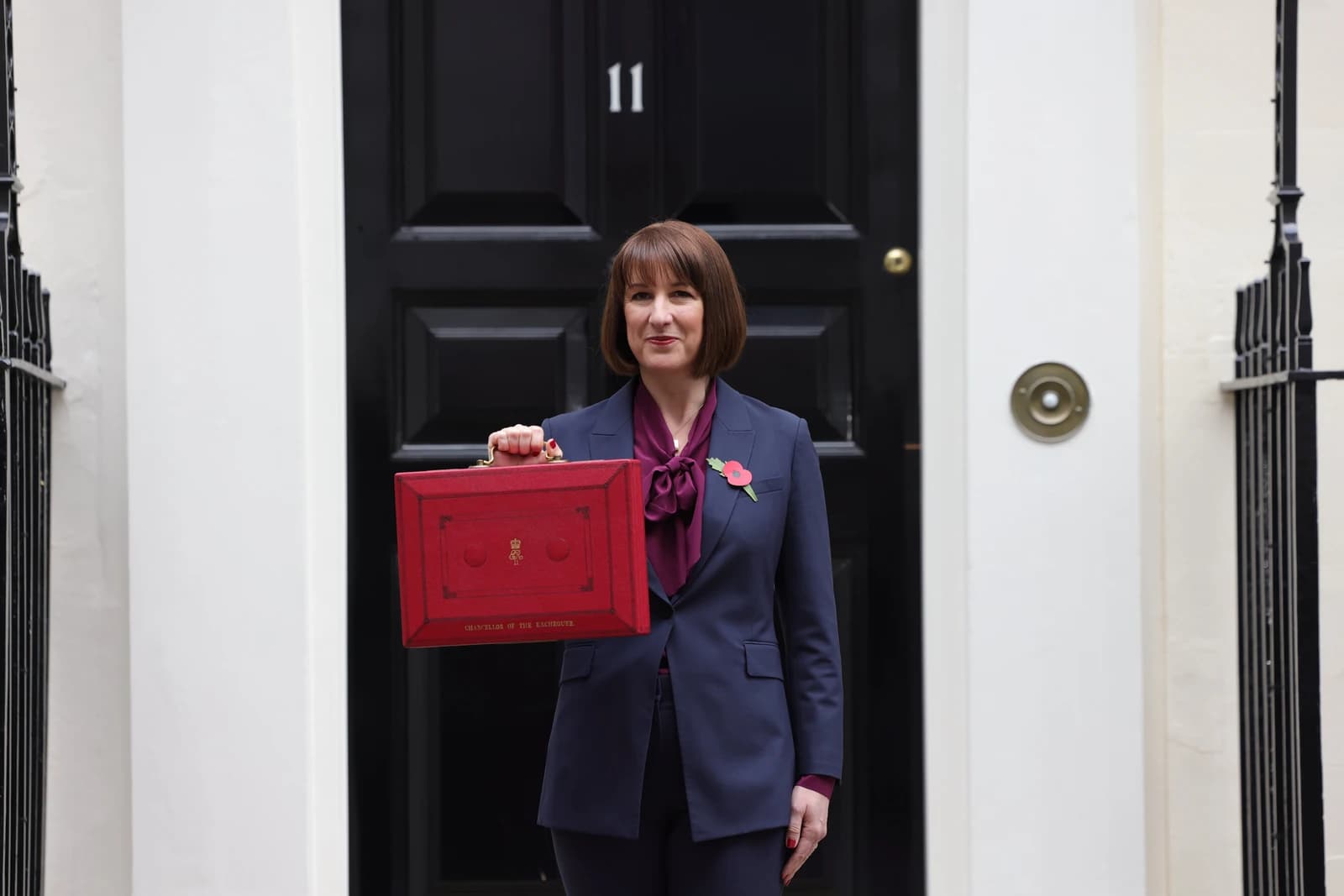
Britain’s fiscal watchdog is set to warn that the government faces mounting spending pressures, a signal that could force Chancellor Rachel Reeves and Defence Secretary John Healey to confront harder trade-offs before next year’s spending review and the autumn budget.
UK OBR to warn on spending pressures
The Office for Budget Responsibility is expected to flag that current plans leave only a slim rise in day-to-day spending of about 0.3% in real terms in 2029-30, far below the 2.6% increase pencilled in for 2025-26. Economists say that gap underscores how little room ministers have to fund higher defence outlays, protect public services and still meet fiscal rules without either new taxes or sharper spending restraint.
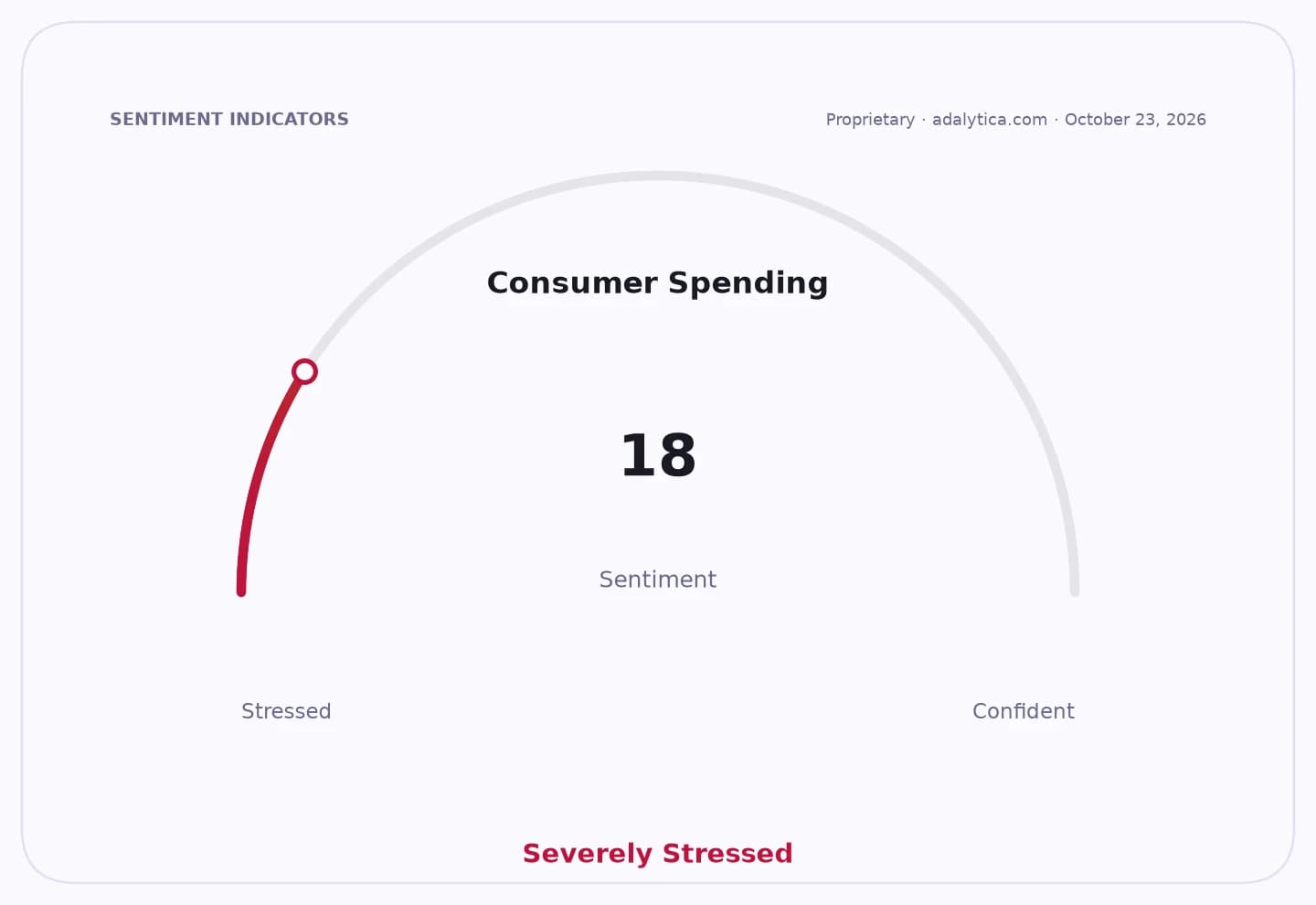
Sentiment IndicatorsⓘProprietary · adalytica.com · October 26, 2026
This is a snapshot — live sentiment, awareness and momentum for 130+ markets update continuously in the dashboard.Open AlphaPulse
That matters because the OBR’s forecasts anchor whether Reeves is judged to be on track to meet her borrowing targets. Any fresh warning would add pressure on gilt markets already sensitive to UK fiscal credibility, especially after repeated episodes in which planned spending has been revised up late in the process.
The watchdog has a history of flagging this risk. In previous budget cycles it noted that spending settlements are often raised during the course of a review, making early projections too optimistic and contributing to missed borrowing forecasts. It raised similar concerns in March, when it pointed to “pressures in the Spending Review period” tied to defence and special educational needs funding.
The timing is politically awkward for Labour. Healey is widely expected to seek a lift in defence spending toward 3% of GDP, a commitment that would require either higher taxes, lower spending elsewhere or a slower rollout of other policy priorities. Treasury officials have already signalled they will not respond to speculation before the budget.
Economists say the OBR’s warning could leave the government with a relatively restrained budget this year and push the biggest decisions into 2027, when a broader fiscal reset may become unavoidable. For investors, the key issue is whether the UK can preserve market confidence without another round of tax increases that would weigh on growth and consumer demand.
Bond traders will watch the OBR’s commentary closely for clues on the size of the fiscal gap and the likelihood of tougher measures later on. Sterling and UK assets have so far avoided the kind of volatility that followed earlier fiscal blowups, but the balance between defence spending, welfare reform and tax policy now looks set to dominate the next phase of the UK fiscal debate.
| Entity | Gains | Losses |
|---|---|---|
| UK gilt holders | ▲clearer fiscal scrutiny | ▼higher issuance risk |
| Rachel Reeves / Treasury | ▲more room to frame discipline | ▼less room to spend |
| Defence ministry | ▲case for higher budgets | ▼tighter funding trade-offs |
| UK taxpayers | ▲fiscal transparency | ▼risk of higher taxes |