Britain’s next fiscal fight is shifting toward spending cuts, as the International Monetary Fund pressed the government to rein in pensions and social care rather than lean more heavily on banks for revenue.
IMF Urges Britain to Cut Spending, Not Bank Taxes
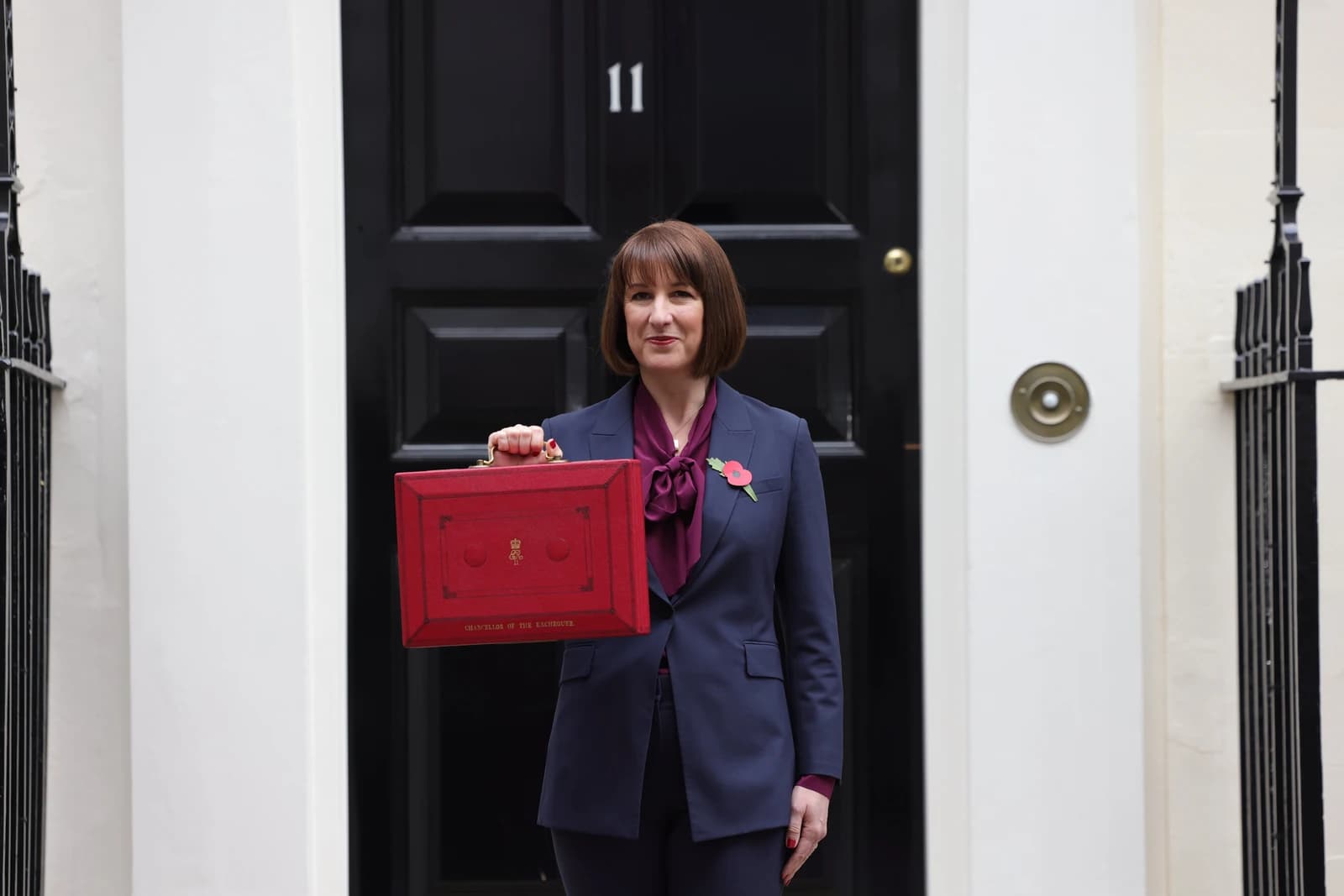
That matters because the IMF is effectively steering Chancellor Rachel Reeves toward a politically painful but economically cleaner path to closing the deficit: restraining the fastest-growing areas of public spending instead of raising taxes on a profitable banking sector that already pays heavily for elevated interest rates. With Britain’s tax take running at about 40% of GDP, the fund’s message underscores how little room there is left for simple revenue-raising if the government wants to preserve growth.
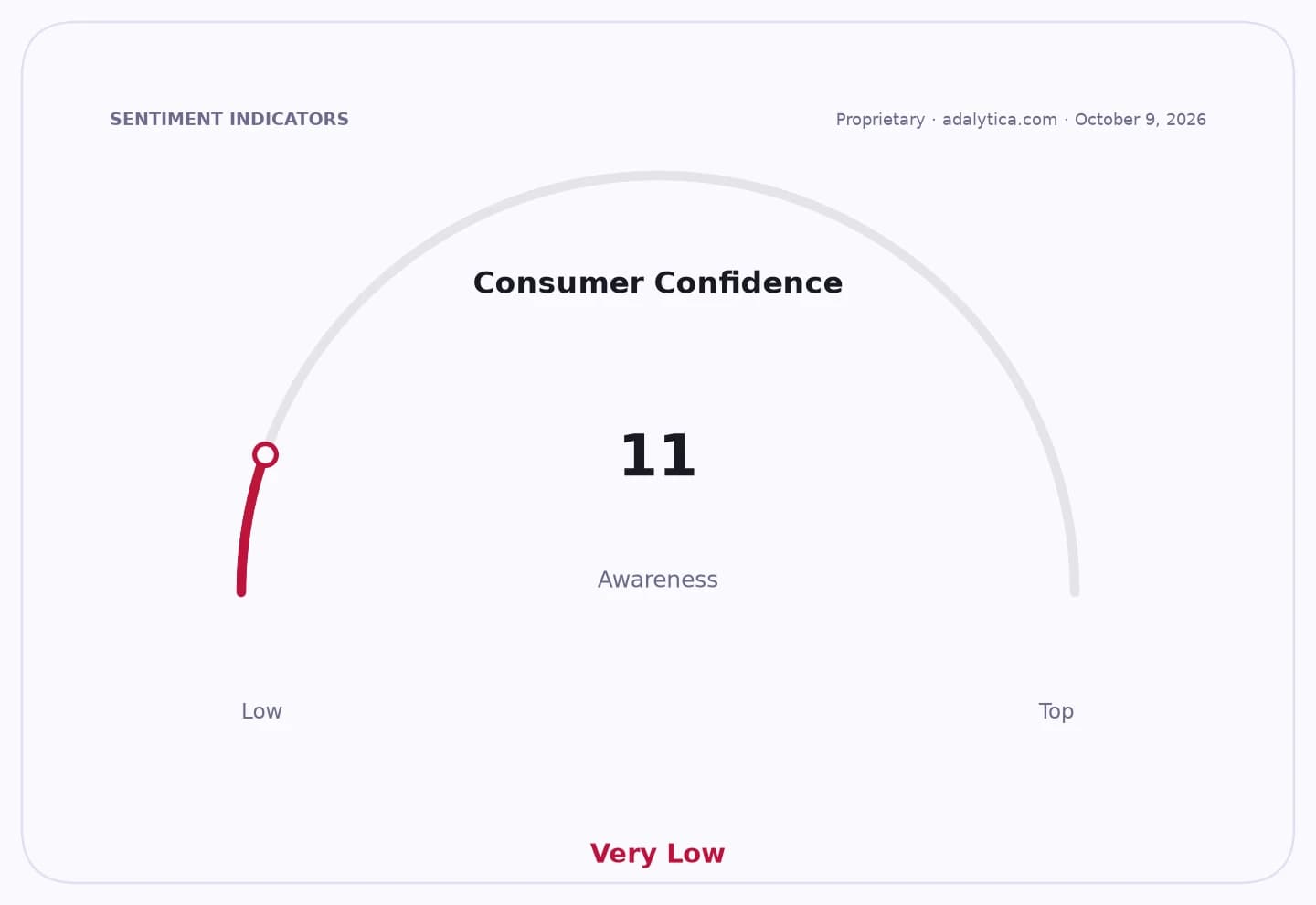
Sentiment IndicatorsⓘProprietary · adalytica.com · October 21, 2026
This is a snapshot — live sentiment, awareness and momentum for 130+ markets update continuously in the dashboard.Open AlphaPulse
Helge Berger, the IMF’s deputy director for Europe, said on the sidelines of the IMF and World Bank annual meetings in Bangkok that the priority should be lower spending, according to the Guardian. He pointed to the state pension “triple lock” and the targeting of social benefits as areas that could be revisited. If more revenue is needed, he said, property taxes or value-added tax would be more credible options than a higher levy on banks.
The remarks land in the middle of an increasingly charged debate over whether Britain should ask banks to contribute more. Bank lobby groups warn that a higher surcharge would crimp lending and investment and could push jobs and activity offshore. UK Finance said lifting the bank surcharge back to 8% from 3% could shave about £1.2 billion from real GDP by fiscal 2029-30 and cut lending by £10.4 billion, according to the report.
But the political case for targeting banks remains strong because the sector is still generating unusually large profits. HSBC, NatWest, Barclays and Lloyds made a combined £29.2 billion in first-half profit this year, while dividends and buybacks reached £13.7 billion. That gives ministers an easy target at a time when households are still feeling the squeeze from high living costs and a difficult fiscal backdrop.
There is also a counterargument: the Trades Union Congress, using HMRC data, said the cut in the additional bank levy introduced in 2023 cost the Treasury about £6 billion over the following three years. In other words, a banking tax increase could quickly raise cash without visibly cutting public services, even if the long-term economic cost is debated.
For investors, the bigger message is that the IMF is aligning itself with fiscal restraint over tax raids, which raises the odds that Britain’s 2027 budget will be built around spending discipline rather than a broad-based tax rise. That would be supportive for bank margins and earnings, but it would also keep pressure on domestic demand and expose sectors tied to household spending and public services to tighter conditions.
The broader macro picture is the real story: Britain is trying to stabilize its finances while growth remains fragile, inflation has only recently cooled and borrowing costs remain elevated. The IMF’s intervention suggests that, for now, the adjustment is more likely to come through slower spending growth than through a fresh assault on the banking sector.
| Entity | Gains | Losses |
|---|---|---|
| UK banks | ▲Avoid higher levy | ▼Face political scrutiny |
| UK Treasury | ▲Clearer fiscal path | ▼Less easy revenue |
| Pensioners/social care recipients | ▲Potentially protected | ▼Risk tighter benefits |
| UK economy | ▲Better lending conditions | ▼Slower demand if cuts deepen |