Australia’s near-record government spending is not a short-term credit problem, but it is increasingly a medium-term risk for growth, inflation and monetary policy as the country leans on tax windfalls that may not last.
Australia Fiscal Spending Risks Grow for Inflation
S&P Global Ratings said federal payments reached 26.9% of GDP in 2025/26, the highest level in 40 years outside the pandemic, and warned the fiscal stance could become a burden if commodity prices fall or unemployment rises. The agency still reaffirmed Australia’s AAA sovereign rating, underscoring that the immediate balance sheet remains strong. The bigger concern is that spending is becoming structural rather than cyclical, with defence, aged care, social security and interest costs all moving higher.
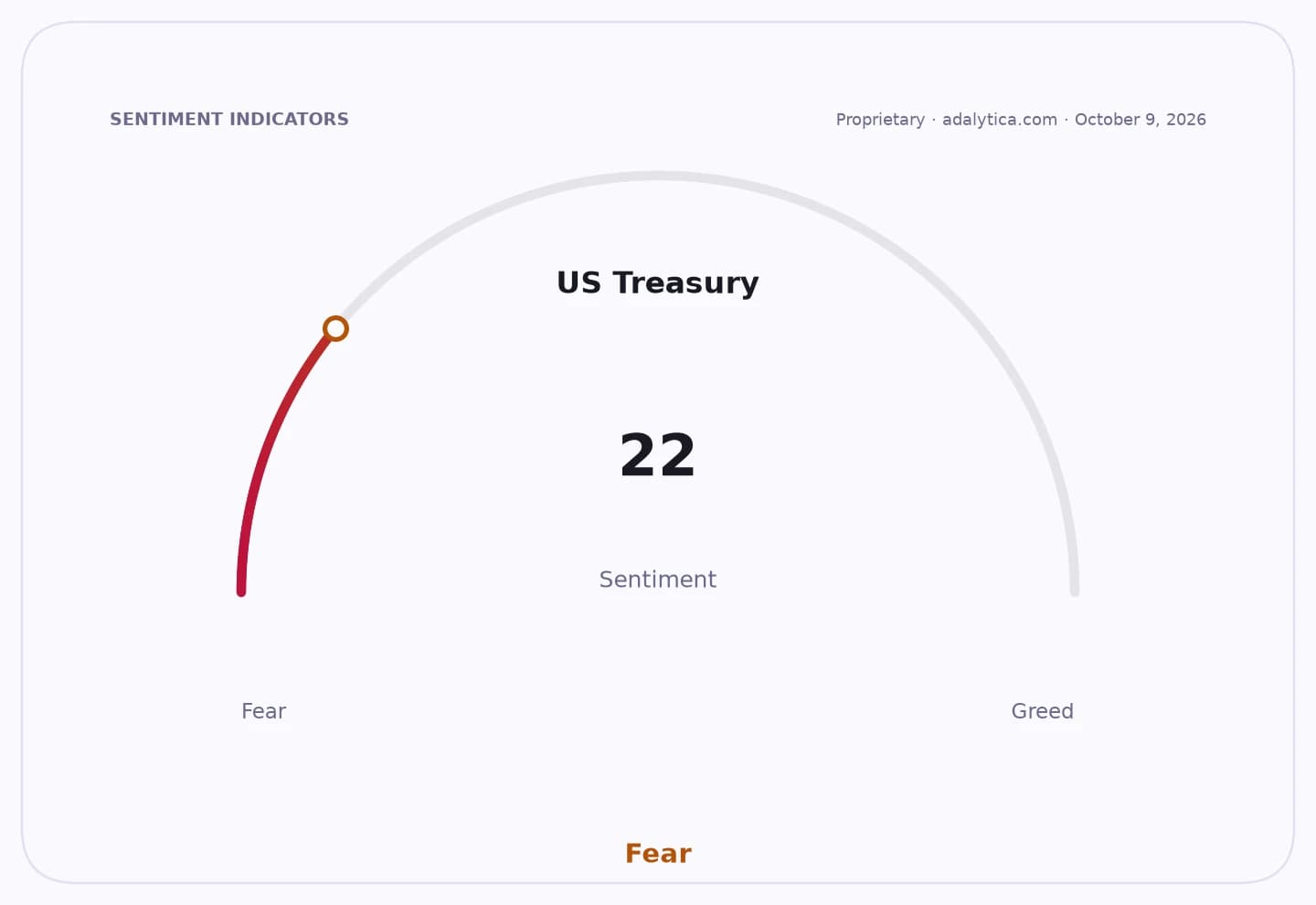
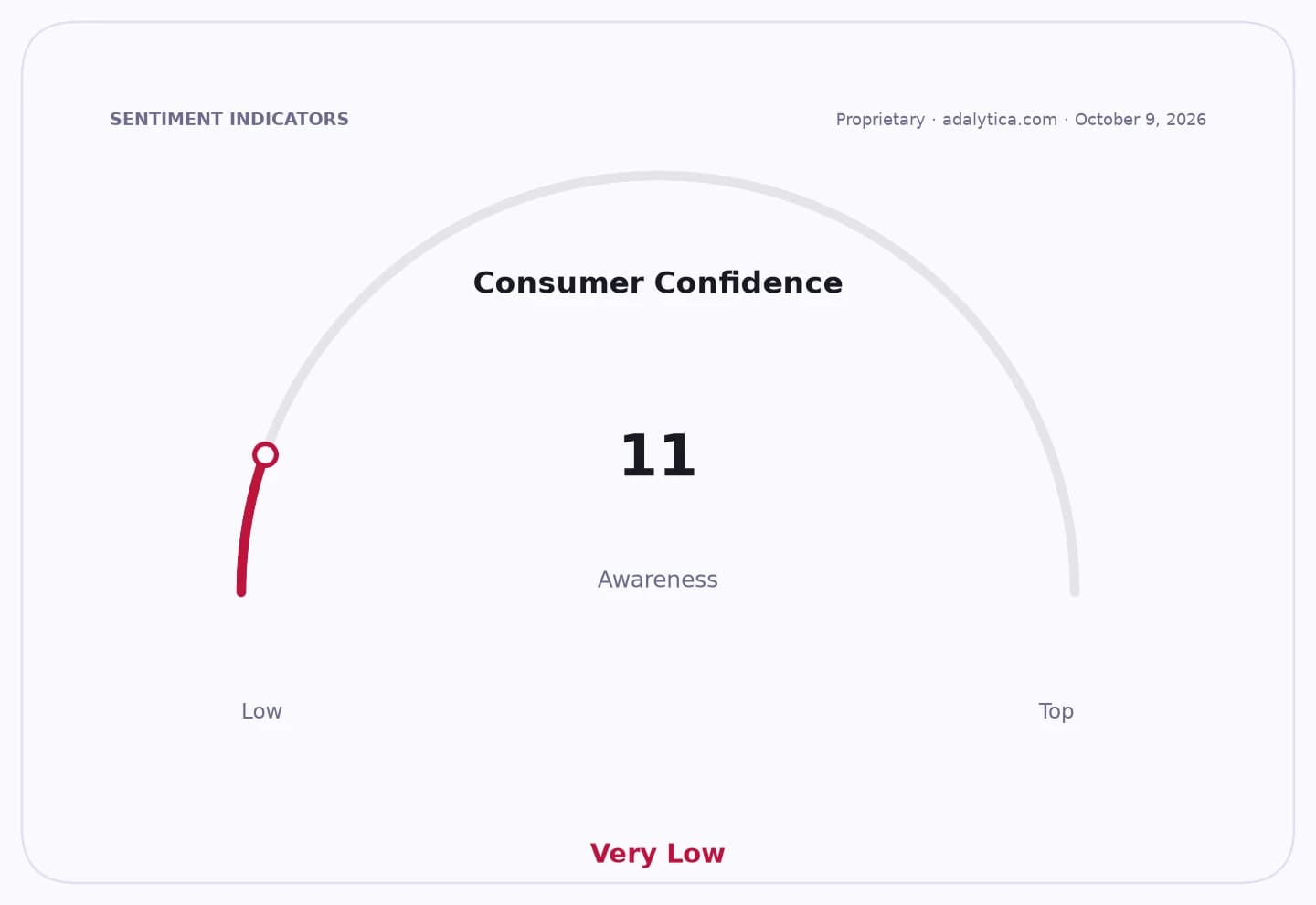
Sentiment IndicatorsⓘProprietary · adalytica.com · October 9, 2026
This is a snapshot — live sentiment, awareness and momentum for 130+ markets update continuously in the dashboard.Open AlphaPulse
That matters because Australia’s revenue strength has been flattered by unusually high company and income taxes. Tax revenue is running at 24.1% of GDP, also near a record. If the mining boom weakens or labour market conditions soften, the budget would lose one of its main buffers just as spending commitments remain sticky. Veteran economist Chris Richardson’s warning that governments are making “permanent promises off the back of temporary windfalls” captures the central fiscal risk: the budget could look resilient until the cycle turns.
The issue is not only fiscal. S&P said elevated public spending is complicating the Reserve Bank’s job by keeping aggregate demand stronger than policymakers would like. That leaves the RBA trying to contain inflation while government outlays continue to support activity. Governor Michele Bullock has said domestic capacity pressures, not just imported shocks, are driving inflation, and that productivity has been “doing nothing.” In other words, Australia is spending at a pace that may be harder to absorb because the economy is not generating enough extra supply.
That is where the investor relevance sharpens. Bond markets can tolerate high spending when growth, tax receipts and productivity all cooperate. But if growth stalls while the government keeps adding structural commitments, debt dynamics become more sensitive to rates and revenue volatility. For equity investors, the risk is that fiscal support props up near-term demand while raising the odds of stickier inflation, higher-for-longer rates and weaker margins for rate-sensitive sectors.
The broader economic narrative is a familiar one: Australia still has strong institutions, a top-tier credit rating and room to absorb shocks, but the margin for error is narrowing. Business groups want spending restrained, and consultancy work cited by the Australian Institute of Company Directors argues regulation is also suppressing productivity. If policymakers do not lift the economy’s supply capacity, the result could be slower living-standard growth even if headline activity holds up.
The near-term takeaway for markets is that Australia is not in fiscal distress. The longer-term message is more uncomfortable: a budget powered by temporary revenue strength can still become a drag if it locks in permanent spending just as the economic cycle cools.
| Entity | Gains | Losses |
|---|---|---|
| Australian government | ▲Near-term revenue support | ▼Future fiscal flexibility |
| RBA | ▲Stronger policy case for restraint | ▼Easier inflation task if spending slows |
| Taxpayers/future generations | ▲Potential long-run discipline | ▼Burden of structural promises |
| Bondholders/equity investors | ▲Strong AAA backdrop now | ▼Higher rates and inflation risk later |