Australia’s public debt has climbed above $1 trillion, and the more immediate problem for Canberra is not the headline number but the rising cost of servicing it: roughly $80 million a day in interest.
Australia debt tops $1 trillion as interest costs rise
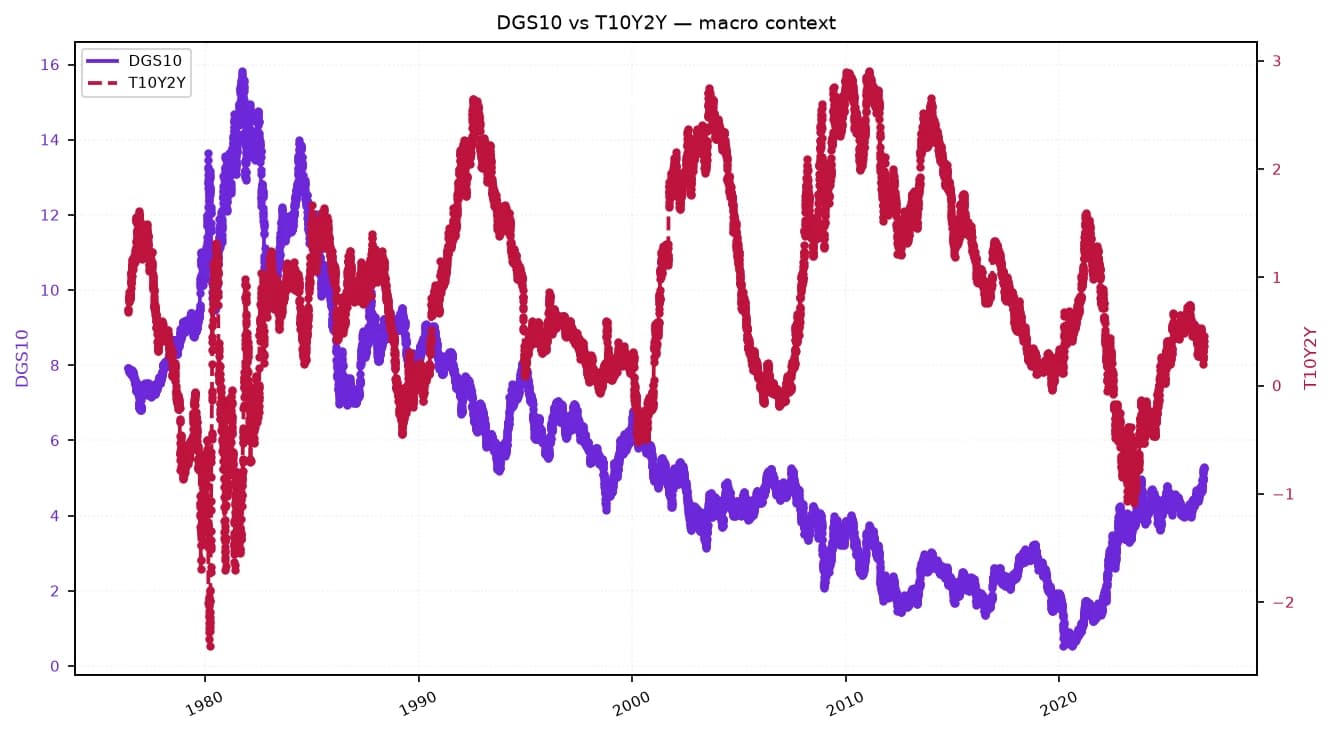
That burden matters because it arrives just as borrowing costs remain elevated by modern standards, leaving less fiscal room for tax cuts, infrastructure, health and cost-of-living support. With the Reserve Bank’s cash rate still at 3.75% and benchmark U.S. Treasury yields pinned near 5% on the 10-year note, the era of ultra-cheap government funding that cushioned deficits for years has clearly ended.
Sentiment IndicatorsⓘProprietary · adalytica.com · October 3, 2026
This is a snapshot — live sentiment, awareness and momentum for 130+ markets update continuously in the dashboard.Open AlphaPulse
The implications extend beyond Australia’s budget tables. Higher debt service crowds out discretionary spending and makes future policy more sensitive to every move in bond markets. If yields stay near current levels, interest payments will consume a larger share of revenue even without a new shock to the economy. That creates a structural drag on fiscal flexibility and raises the political cost of sustained deficit spending.
For investors, the story is less about an immediate funding crisis than about the trajectory of sovereign risk premia and the ripple effects across rates, currencies and equities. The Australian dollar is already trading around 0.70 against the U.S. dollar, a level that reflects a market balancing relatively firm domestic rates against a still-powerful U.S. dollar and global growth concerns. In fixed income, the pressure is clearer: Australian and U.S. bond markets have repriced around the assumption that rates will stay higher for longer, which keeps refinancing costs elevated for governments and highly leveraged borrowers alike.
There is a bull case for the sovereign balance sheet. Australia still borrows in its own currency, retains institutional credibility and has room to grow its way out of part of the debt burden if nominal growth holds up. But the bear case is more uncomfortable: if inflation proves sticky or global yields remain near cycle highs, the interest bill compounds quickly, forcing either tighter spending discipline or larger deficits to preserve service delivery.
For now, the trillion-dollar milestone is less a trigger for panic than a warning that debt dynamics are becoming a first-order economic constraint. The key question for markets is not whether Australia can finance itself, but how much of the budget will be permanently diverted from growth spending to interest payments.
| Entity | Gains | Losses |
|---|---|---|
| Bondholders | ▲Higher coupon income | ▼Price risk if yields rise |
| Australian government | ▲Longer funding runway | ▼Larger interest bill |
| Taxpayers | ▲None | ▼Less fiscal room |
| Equities/borrowers | ▲None | ▼Tighter financial conditions |