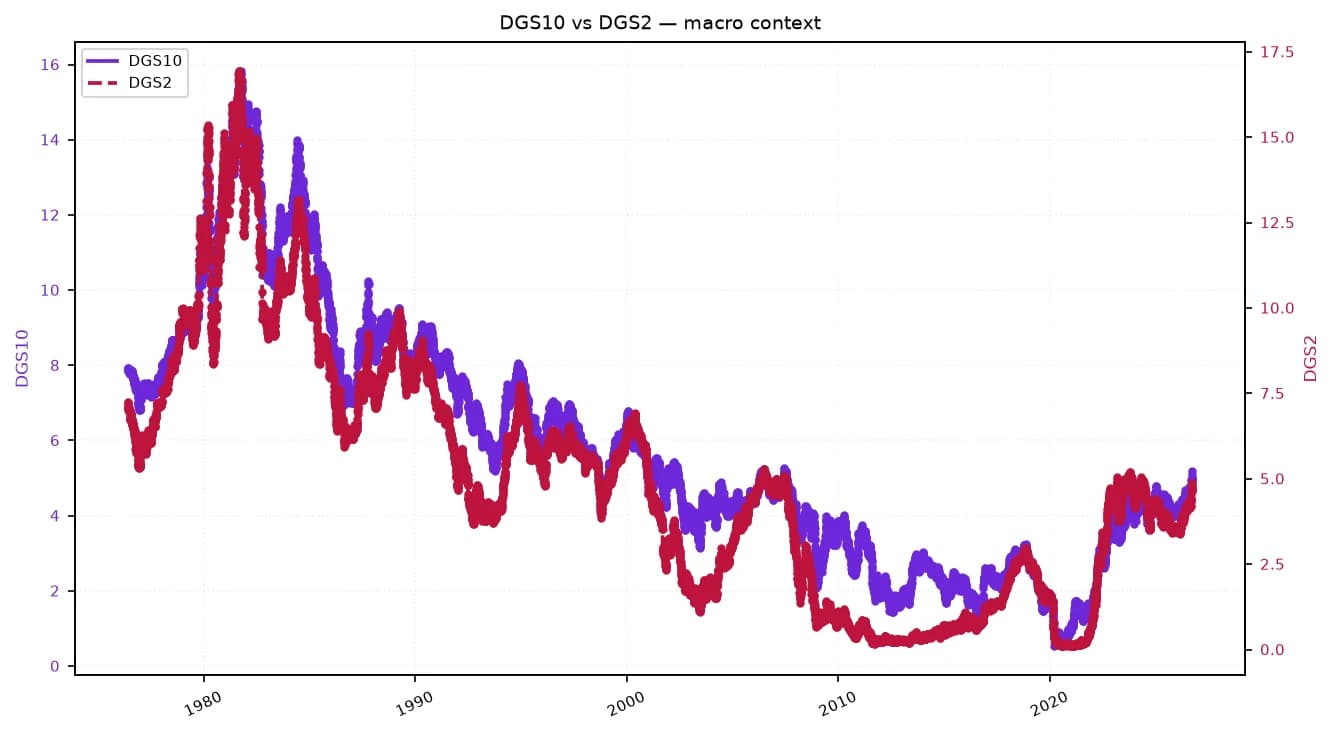
Treasurer Jim Chalmers is warning that a surge in global bond yields, led by U.S. 10-year Treasuries trading around 5.17%, will add billions of dollars to Australia’s long-run debt servicing costs and tighten the fiscal room available to Canberra.
Australia debt costs rise as bond yields climb

The immediate economic issue is not the size of Australia’s debt stock alone, but the price the government will pay to finance it. Higher yields feed straight through to new issuance and refinancing, raising the cost of servicing a federal debt burden already above A$1 trillion. That leaves less scope for tax relief, spending promises or emergency support if growth weakens.
Sentiment IndicatorsⓘProprietary · adalytica.com · September 28, 2026
This is a snapshot — live sentiment, awareness and momentum for 130+ markets update continuously in the dashboard.Open AlphaPulse

The backdrop is a repricing in global fixed income that is reshaping borrowing conditions well beyond Washington. U.S. 2-year yields are near 4.88%, the 10-year has climbed to about 5.19% in the latest forecast, and the gap between them has widened to roughly 36 basis points, a sign markets still expect policy rates to remain restrictive even as long-term term premia rise. In Australia, the pressure shows up in higher sovereign funding costs and a more expensive curve for corporates that price off government benchmarks.
That matters because Australia’s fiscal arithmetic is highly sensitive to interest rates. A prolonged period above 5% for U.S. benchmark yields tends to keep upward pressure on global risk-free rates, especially when inflation proves sticky and investors demand more compensation for heavy sovereign issuance. For Australia, which borrows in a market deeply influenced by offshore rates, the result is a larger interest line in the budget and a tougher environment for Treasury debt management.

Investors are also feeling the spillover. Higher sovereign yields generally lift discount rates across equities, weigh on duration-sensitive sectors and make refinancing more expensive for companies with heavy leverage or long-dated capital needs. That has implications for infrastructure, housing finance and data-center expansion, where the cost of capital can determine whether projects clear hurdle rates.
The move also reinforces a broader message from the bond market: the era of ultra-cheap money has not returned. Treasury officials, central banks and policymakers are now dealing with a world in which servicing existing debt can matter as much as issuing new debt, and where every extra basis point on benchmark rates compounds into billions over time.
For Chalmers, the challenge is to show that higher debt costs can be managed without choking off growth or public investment. For markets, the key question is whether yields have peaked or whether governments, companies and households must adjust to a structurally more expensive funding environment.
| Entity | Gains | Losses |
|---|---|---|
| U.S. Treasury bondholders | ▲Higher coupons | ▼Mark-to-market volatility |
| Australian government | ▲No immediate gain | ▼Higher debt servicing costs |
| Borrowers with refinancing needs | ▲Floating-rate repricing | ▼Higher funding costs |
| Defensive cash-rich investors | ▲Relative yield support | ▼Duration-heavy assets |