Australian shares are set to open sharply lower after Wall Street sold off on a Federal Reserve projection that inflation will stay above target for years, forcing rates higher for longer and reviving the market’s biggest valuation risk.
ASX 200 futures fall on higher-for-longer Fed

ASX 200 futures were down 63 points, or 0.7%, to 8,681, a move that points to a broad risk-off session in Sydney and underscores how quickly global equities are repricing to a less forgiving policy backdrop. The trigger was a weak close in New York, where the S&P 500 fell 0.5% and the Dow dropped 630 points after policymakers signalled inflation would remain above target through most of 2029.
Sentiment IndicatorsⓘProprietary · adalytica.com · September 17, 2026
This is a snapshot — live sentiment, awareness and momentum for 130+ markets update continuously in the dashboard.Open AlphaPulse
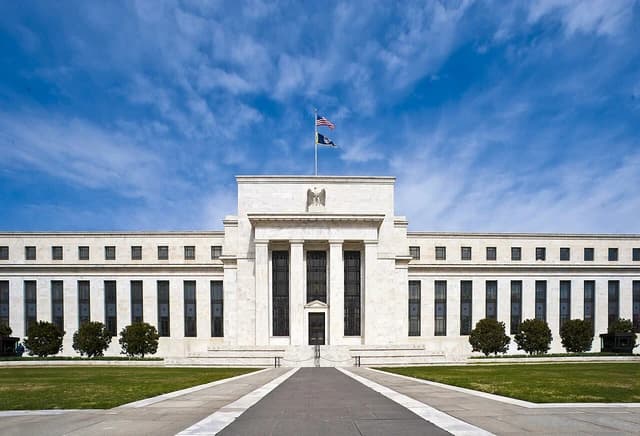
That matters economically because it implies borrowing costs are likely to stay restrictive well into the next cycle, keeping pressure on housing, consumer spending and corporate investment. Markets had been leaning toward eventual rate relief, but the Fed’s updated projections and hawkish messaging suggest the disinflation path is far from complete. Yields rose in response, with the US 10-year Treasury climbing 2 basis points to 5.02%, extending the squeeze on equity valuations and reinforcing the appeal of cash and short-duration assets.
For investors, the message is that the rate-cut trade has been pushed further out, and that sectors most sensitive to discount rates — including technology, property and highly leveraged names — remain exposed. The S&P 500’s pullback came even after it closed above its session lows, a sign that buyers were reluctant to commit once the Fed’s outlook was digested. SPY technical readings also point to a market losing momentum: the ETF is trading close to its 50-day moving average, with RSI readings slipping below neutral territory, while Adalytica’s trade snapshot shows S&P 500 sentiment in “Fear,” consistent with a more defensive stance among traders.

The policy backdrop is especially important because it changes the market narrative from “how soon will cuts arrive?” to “how long will restrictive policy stay in place?” Nationwide Financial economist Oren Klachkin said he still expects another quarter-point tightening before 2027 and sees cuts only if inflation makes meaningful progress back to 2% or the economy weakens materially. That framing leaves little room for investors to price a fast easing cycle.
The immediate implication for Australia is that local equities are likely to open under pressure alongside global peers, with the ASX vulnerable to moves in banks, property trusts and growth stocks that have benefited from lower-rate assumptions. A stronger-for-longer US rate regime also supports the dollar and can tighten global financial conditions, adding another headwind for cyclical sectors and exporters already navigating patchy demand.
The next catalyst is the inflation data and central-bank commentary that will determine whether markets can regain confidence in a softer landing. Until then, the dominant theme for equities is not growth optimism but the higher cost of money.
| Entity | Gains | Losses |
|---|---|---|
| Cash, short-duration assets | ▲Higher yields | ▼Equity risk appetite |
| Banks and insurers | ▲Wider reinvestment returns | ▼Rate-sensitive growth stocks |
| US dollar | ▲Policy support | ▼Borrowers and leveraged companies |
| Australian equities | ▲Defensive sectors relatively favored | ▼ASX 200 futures, property and tech |