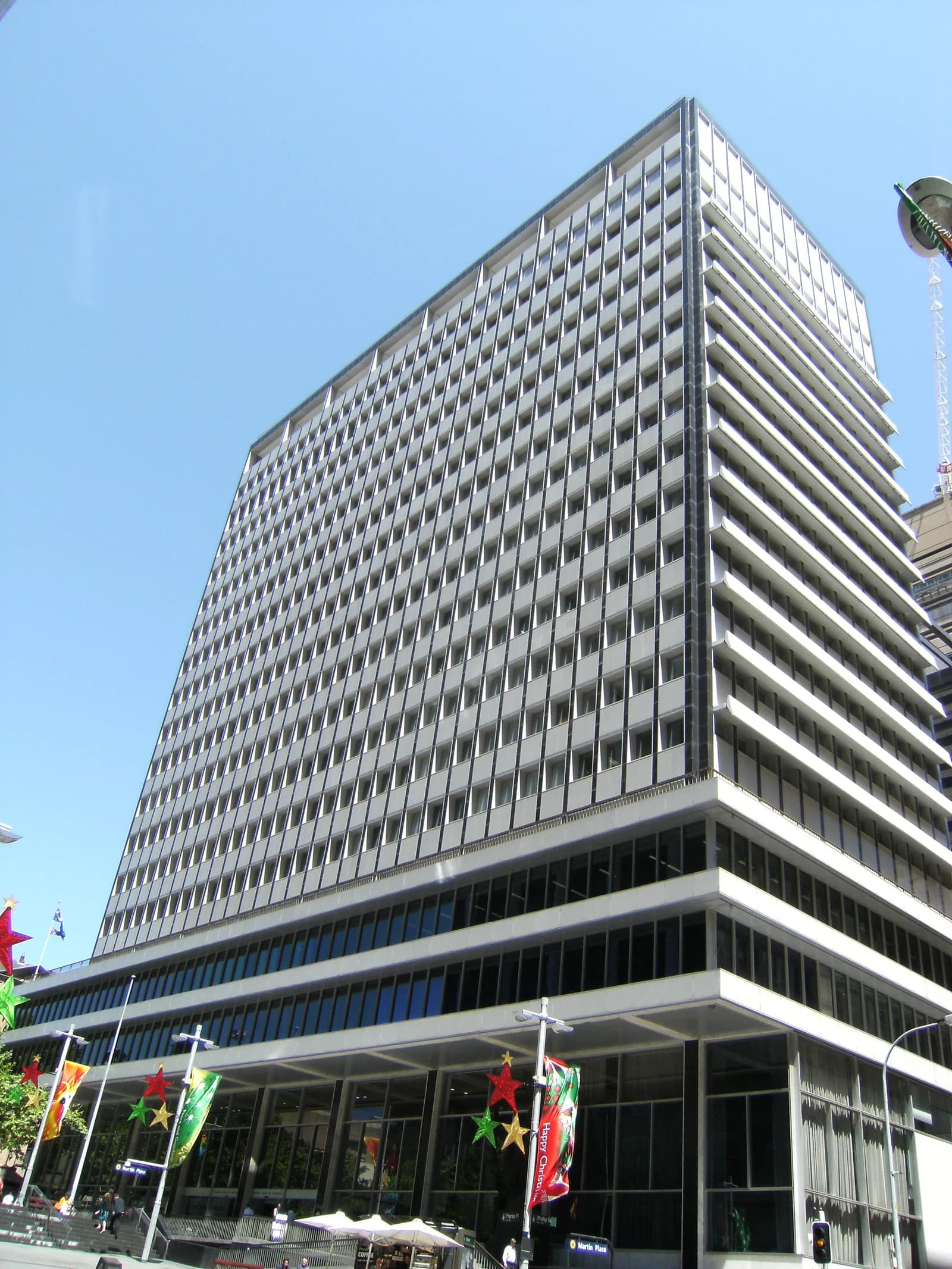
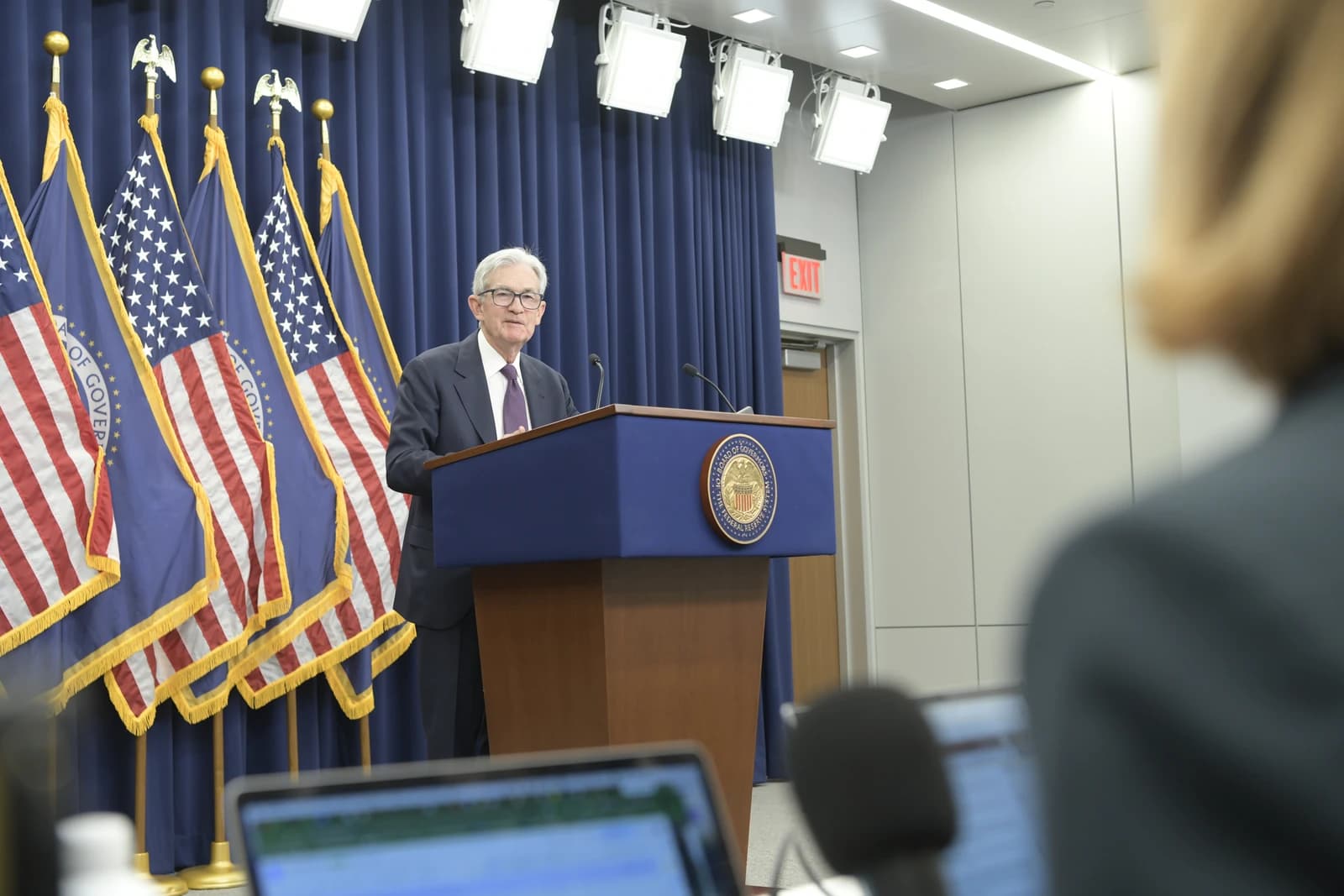
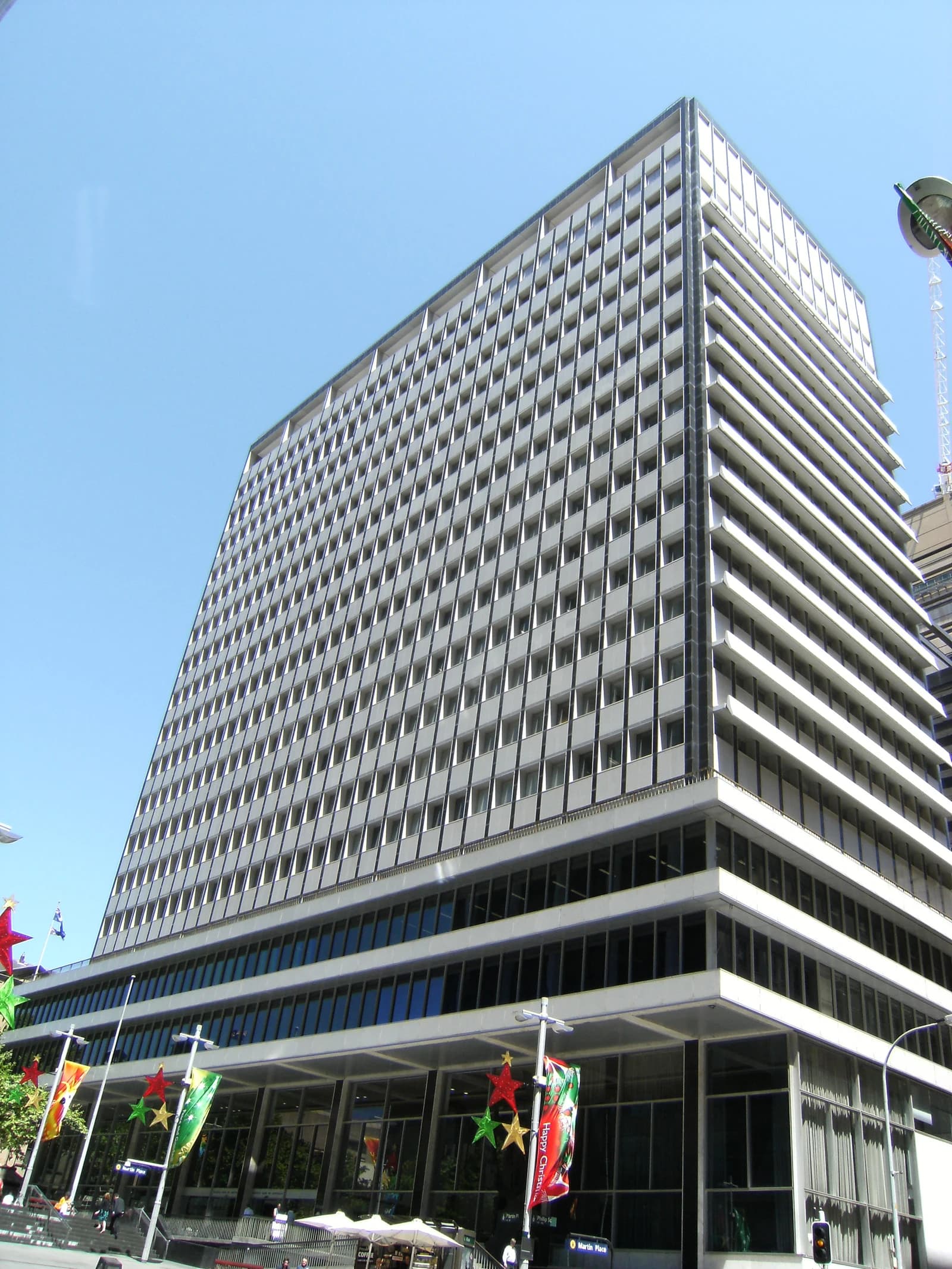
Reserve Bank of Australia Governor Michele Bullock has made it much harder for investors to bet on a pause, with comments suggesting the central bank may not be done tightening and UBS now calling for two more rate hikes to a 4.85% terminal cash rate.
RBA Seen Delivering Two More Rate Hikes to 4.85%
That matters because Australia’s inflation fight is suddenly looking less like a one-meeting story and more like a higher-for-longer policy cycle. Bullock said inflation risks are skewed to the upside, that persistent price shocks are hard to look through, and that there is broad agreement the neutral rate has likely risen. In plain English, that means the RBA may need a higher cash rate than many expected just to become restrictive enough to slow demand.
Sentiment IndicatorsⓘProprietary · adalytica.com · September 19, 2026
This is a snapshot — live sentiment, awareness and momentum for 130+ markets update continuously in the dashboard.Open AlphaPulse
For households, that keeps mortgage pressure elevated. For the economy, it raises the odds that growth slows more sharply as borrowing costs stay restrictive for longer. And for investors, it shifts the whole rate path higher, which is what really drives currencies, bank funding costs and bond yields.
Deputy Governor Andrew Hauser reinforced the message by saying the board is “totally committed” to the inflation target, giving the hawkish tone extra weight. When both the governor and deputy governor are speaking this way, markets tend to treat it as a board-level message, not a one-off remark.
UBS’s call for two more hikes goes beyond the roughly 70% to 75% chance the market is already pricing for a 25 basis point move at the Sept. 28-29 meeting. That gap is important. If traders are underestimating the likelihood of further tightening, Australian short-end yields and the Australian dollar have room to rise, while rate-sensitive assets could come under more pressure.
The bigger investment takeaway is that the RBA is still focused on credibility. Central banks usually err on the side of doing too much rather than too little once inflation becomes sticky, because letting prices stay elevated for too long does more damage than a bit of extra economic pain. Bullock’s comments about oil, energy costs and businesses passing on prices suggest the inflation problem is not yet fading on its own.
For long-term investors, that does not mean panic. It does mean staying disciplined. If the RBA is right and the terminal rate ends up closer to 4.85%, the winners are likely to be those with pricing power, strong balance sheets and durable earnings growth. The losers are the most indebted households, leveraged businesses and anything that depends on easy money to justify its valuation. Worth watching.
| Entity | Gains | Losses |
|---|---|---|
| RBA hawks / inflation fighters | ▲Credibility on inflation | ▼Near-term growth |
| Australian dollar, short-end yields | ▲Higher rate support | ▼Bond price upside |
| Banks with strong pricing power | ▲Wider lending margins | ▼Borrowers facing higher repayments |
| Mortgage holders and rate-sensitive stocks | ▲— | ▼Higher debt costs |