Australia’s budget debate is shifting from politics to inflation, with HSBC estimating the Albanese government has overseen about A$145 billion in spending blowouts since taking office.
Australia budget debate shifts to inflation
That is not just an accounting problem. It is a macroeconomic one, because repeated overruns in programs such as the National Disability Insurance Scheme have helped keep public demand stronger for longer at a time when the Reserve Bank is trying to bring inflation back under control. When government spending runs hot, it can force the central bank to stay cautious for longer, and that matters for household borrowing costs, business investment and asset prices across the economy.
Sentiment IndicatorsⓘProprietary · adalytica.com · October 26, 2026
This is a snapshot — live sentiment, awareness and momentum for 130+ markets update continuously in the dashboard.Open AlphaPulse
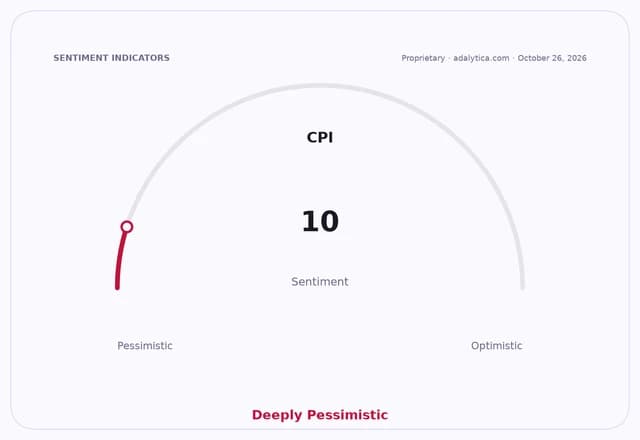
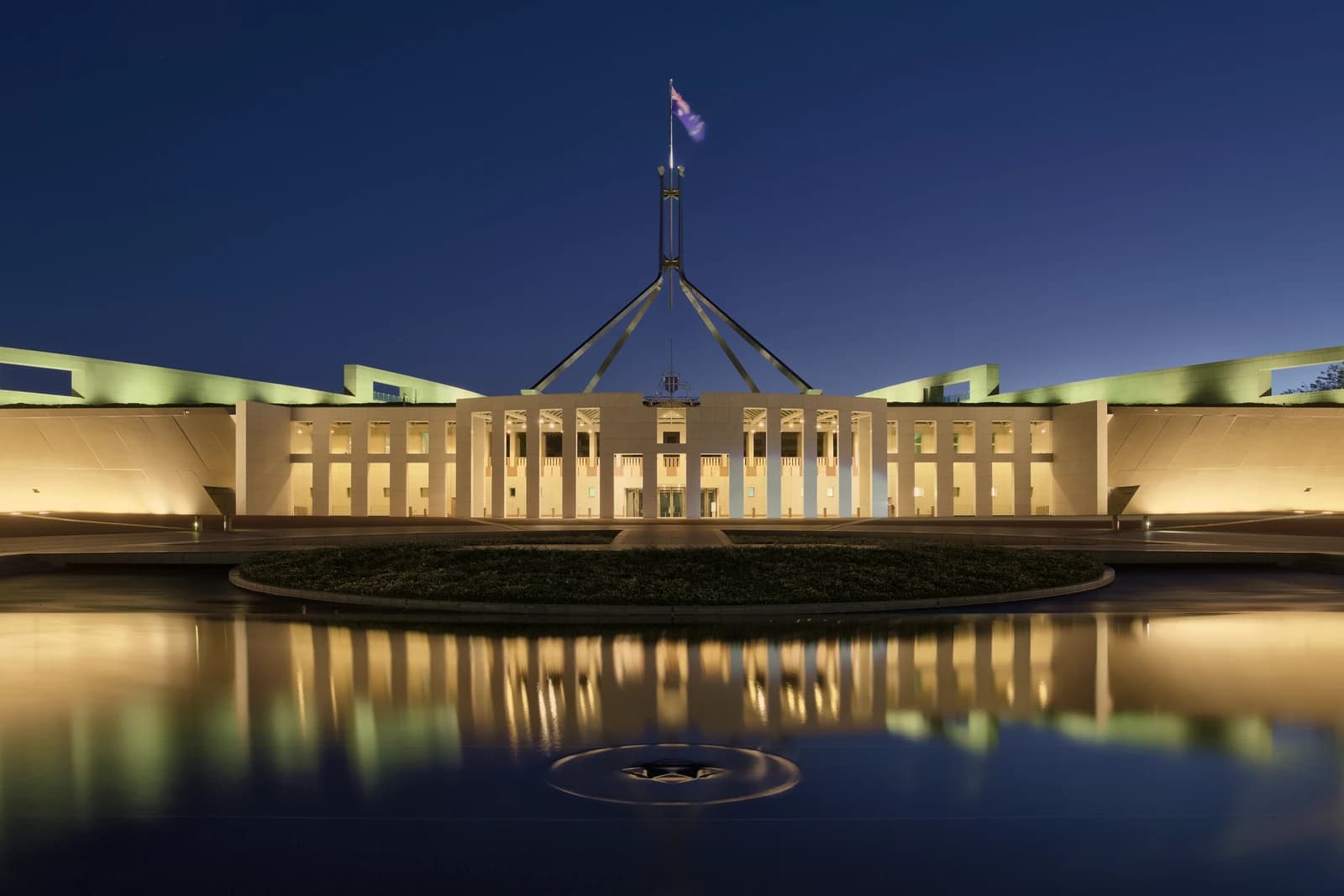
The analysis by HSBC chief economist Paul Bloxham lands just as Treasurer Jim Chalmers faces mounting pressure to use December’s mid-year budget update to impose broader spending cuts. For investors, the key issue is whether Canberra will finally lean against spending growth or keep relying on future savings promises that have yet to materialize. If the government does trim spending meaningfully, it could help ease inflation pressures and support the case for lower interest rates later on. If it does not, the Reserve Bank may have less room to move.
The NDIS has become the clearest symbol of the problem. Program blowouts have been large enough to reshape the fiscal outlook, and they come on top of other areas where costs have climbed faster than expected. That leaves the government trying to reconcile its fiscal restraint message with a spending profile that economists say remains too expansionary for an economy still wrestling with price pressures.
Markets will care less about the politics of the mid-year update than about the signal it sends on growth, inflation and rates. Australian equities have already shown they can handle a moderate growth slowdown if it comes with lower yields and a better policy mix. The bigger risk for investors is a prolonged standoff in which spending stays elevated, inflation proves sticky and rate cuts arrive later than hoped.
For long-term investors, the takeaway is simple: fiscal discipline is back on the investment radar. Australia’s next budget move could matter for bonds, the Australian dollar and rate-sensitive sectors such as housing, consumer discretionary and infrastructure. If Chalmers delivers real cuts in December, it may be the most investor-friendly version of restraint. If not, inflation pressure could keep the policy leash tight well into next year.
| Entity | Gains | Losses |
|---|---|---|
| Treasury and RBA hawks | ▲Lower inflation pressure | ▼Less fiscal flexibility |
| Borrowers and rate-sensitive sectors | ▲Faster path to lower rates | ▼Delayed relief from high borrowing costs |
| Taxpayers and long-term investors | ▲Better budget discipline | ▼Near-term public spending support |
| NDIS recipients and program suppliers | ▲Continued funding growth | ▼Deeper spending restraint |