Victoria’s government is still spending at pandemic-era levels as a share of the state economy, a fiscal stance that economists say will leave the next administration with little room to maneuver unless it presents a credible path to repair the budget.
Victoria spending stays above pre-pandemic levels
Spending averaged 19.5% of gross state product in the years since the COVID-19 peak, only slightly below the 20.12% recorded in financial year 2022, and well above the 13.2% pre-pandemic average. Budget papers show that ratio is not expected to return to its earlier norm over the next four years of forward estimates, locking in a structurally higher spending base through the next election cycle.
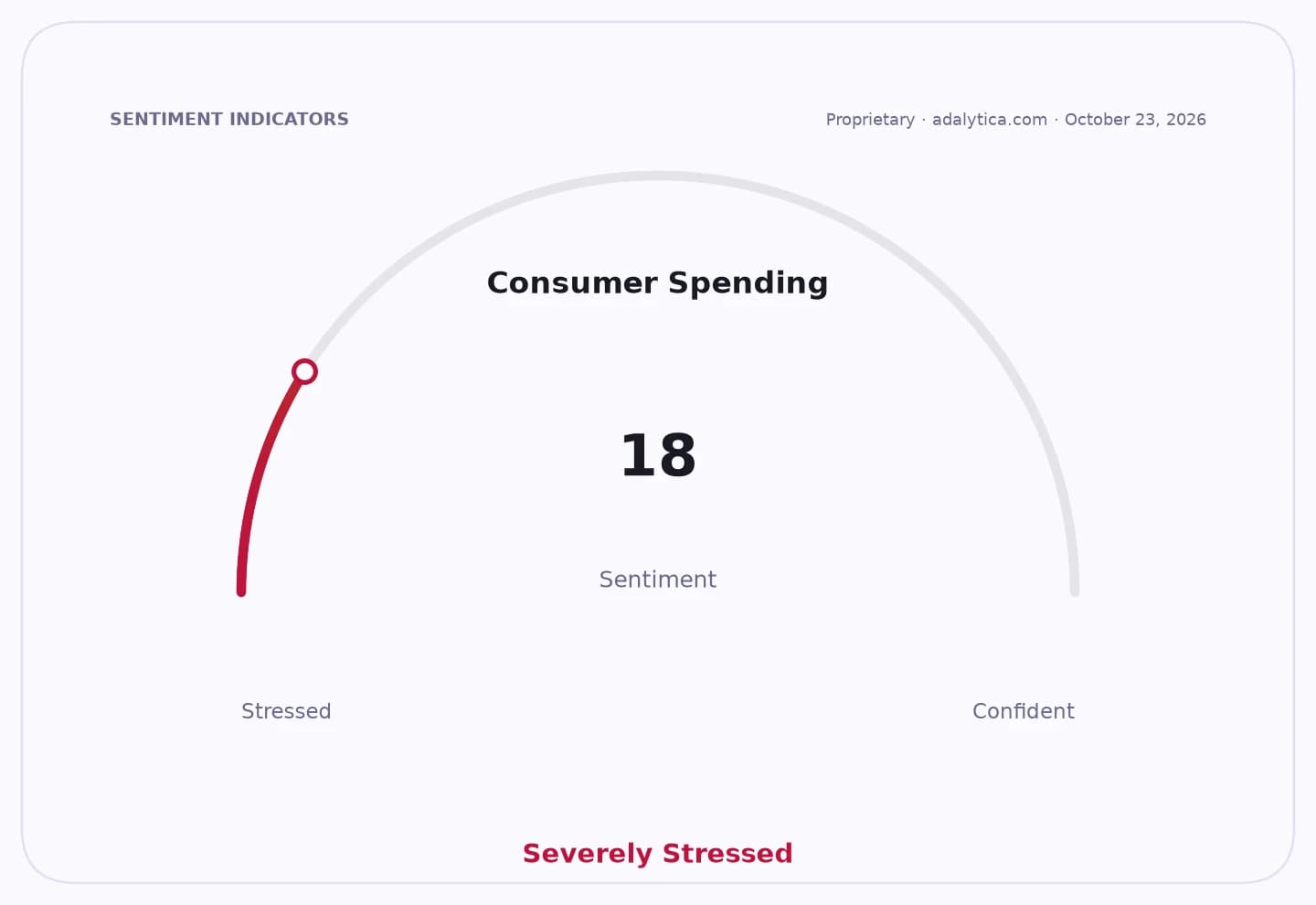
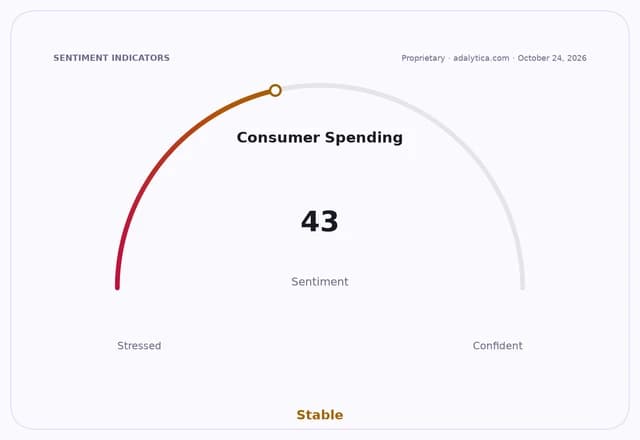
Sentiment IndicatorsⓘProprietary · adalytica.com · October 24, 2026
This is a snapshot — live sentiment, awareness and momentum for 130+ markets update continuously in the dashboard.Open AlphaPulse
That matters because spending at this level is no longer just a temporary response to an emergency. It suggests Victoria has moved to a permanently larger state footprint while revenue growth and the broader economy face a tougher backdrop. If the state continues to run with spending elevated relative to the size of the economy, debt dynamics become harder to stabilize and future budgets become more sensitive to slower growth, higher interest costs and any shortfall in tax receipts.
For investors, the issue is less about one year’s budget and more about credibility. Bondholders and rating agencies typically focus on whether governments can show a realistic medium-term plan to narrow deficits and stop debt from compounding faster than the economy. A state that remains near pandemic spending ratios years after the crisis raises questions about how quickly it can rebuild fiscal buffers, particularly if election promises add new outlays or constrain spending restraint.
The politics are equally important. Both sides of the coming election will face pressure to promise services, infrastructure and cost-of-living relief, but the numbers leave limited fiscal headroom. Any opposition bid to win office will need to explain where savings come from, while the government must defend why the budget remains so expansive even as emergency conditions have faded.
The risk for Victoria is that fiscal consolidation is deferred again until after the vote, pushing harder choices deeper into the next term. If growth disappoints or borrowing costs stay elevated, the adjustment required later could be sharper and more disruptive than if spending were brought back toward pre-pandemic norms sooner.
| Entity | Gains | Losses |
|---|---|---|
| Victorian households | ▲Near-term service spending | ▼Longer-term tax burden |
| Bondholders | ▲If a credible repair plan emerges | ▼If debt keeps rising |
| Next Victorian government | ▲Political flexibility if growth holds | ▼Fiscal credibility if cuts are delayed |
| Rating agencies | ▲Clearer reform commitment | ▼Persistent spending at crisis levels |