Honduras’s sixth review under its International Monetary Fund program is set to judge whether the country has kept macro stability intact enough to unlock about $120 million, with reserves, inflation and budget execution the main hurdles investors and policymakers are watching.
Honduras IMF review could unlock $120 million
The review matters because it will effectively measure whether Tegucigalpa can preserve external buffers while managing fiscal slippage and still stay on track for IMF financing. That combination is critical for a small, dollar-sensitive economy where reserve adequacy, exchange-rate management and price stability can quickly affect sovereign risk, market access and the pace of private investment.
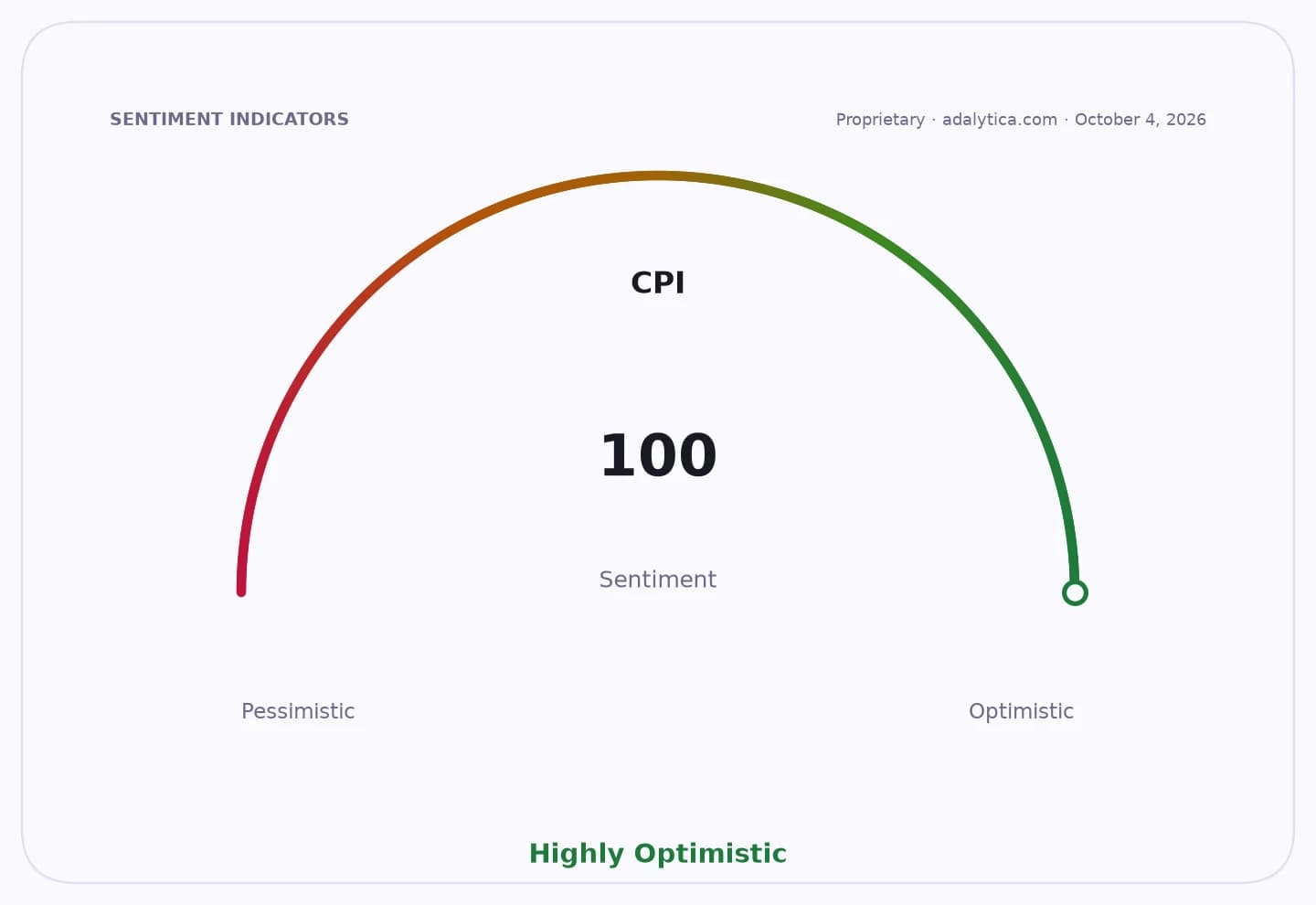
Sentiment Indicators
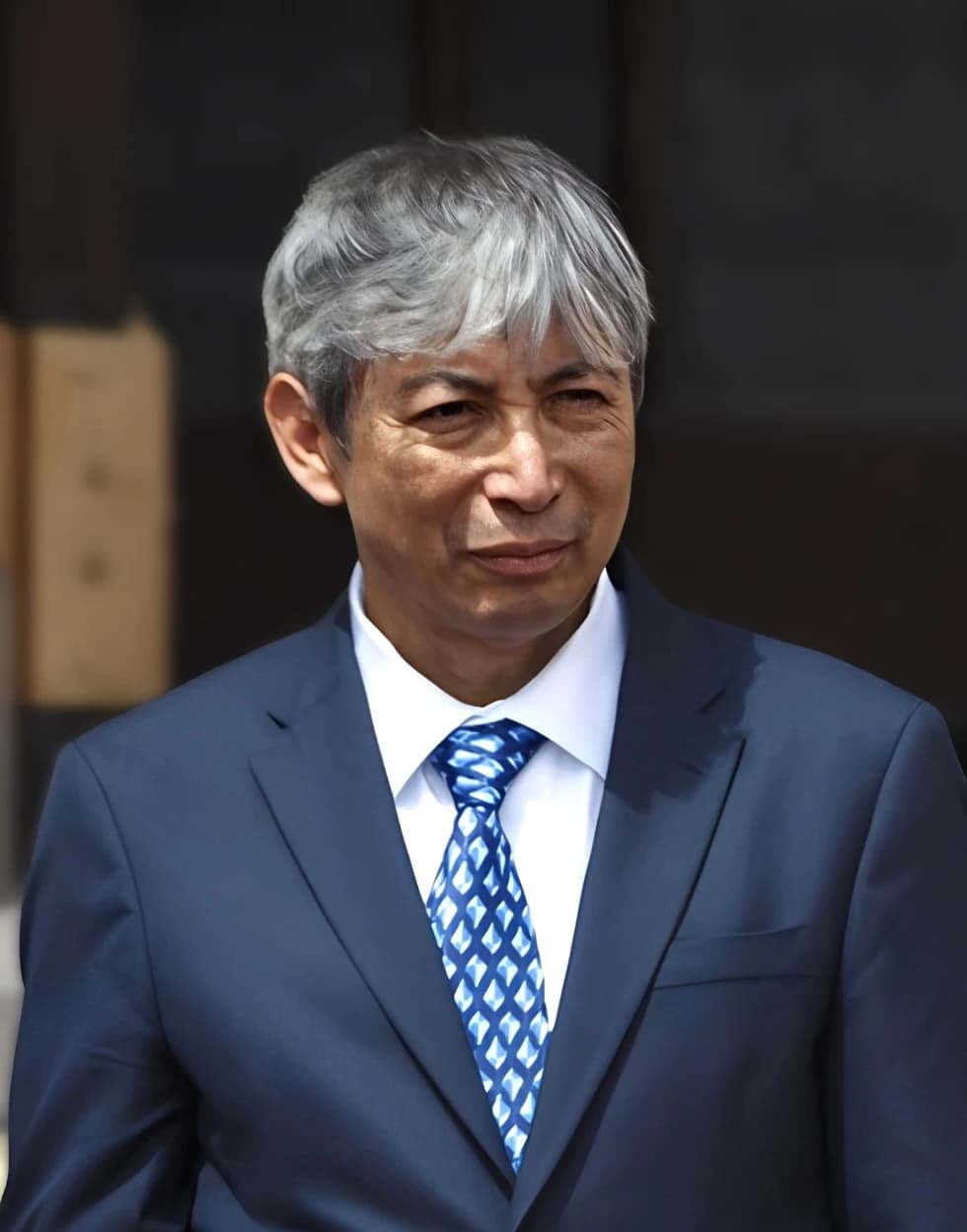
Nancy Ochoa, who heads the banking and finance department at the National Autonomous University of Honduras, said the Fund will examine international reserves, inflation and budget execution, as well as progress on energy reform and anti-money-laundering measures. She noted that the IMF typically credits progress while flagging areas that need improvement, and said this review is likely to do the same.
The external accounts will be central. Ochoa said the Fund will look at net international reserves, foreign-exchange market management and the gradual devaluation of the currency. Even if reserves remain at what she described as an acceptable level, they are still a key benchmark for the program because they determine how much room the central bank has to defend stability without tightening domestic liquidity too aggressively.
Inflation is another pressure point. Ochoa said previous IMF reports have already warned that price increases have exceeded what was planned under the monetary program. That makes the review important not just for Honduras’s financing tranche, but for the credibility of the government’s macroeconomic framework at a time when central banks across the region are still balancing growth support against sticky prices.
Fiscal execution could be the clearest weak spot. The budget implementation rate is around 65%, Ochoa said, which suggests spending has lagged plan and could complicate delivery of public investment and social programs. For the IMF, weak execution can be a sign of institutional bottlenecks, but it can also reflect difficulty translating budgeted policy into actual economic support.
The program also ties financing to structural reforms, particularly in energy and financial integrity. The IMF is expected to assess progress in reducing technical and non-technical losses in the power sector, a chronic drain on public finances, alongside anti-money-laundering steps aligned with Financial Action Task Force requirements. Those issues matter because they affect contingent liabilities, governance and the country’s standing with international lenders.
A successful review would help Honduras secure the reported $120 million disbursement and reinforce recent measures such as the reactivation of the interbank foreign-exchange market, which Ochoa said is consistent with IMF recommendations. Failure, or a tougher-than-expected assessment, would raise questions about policy execution and could delay funds that support reserves and fiscal confidence.
For investors, the review is less about one payment than about whether Honduras can keep the IMF seal of approval while inflation, reserves and public spending remain under strain. A clean assessment would support the country’s credit profile and policy credibility; a negative one would revive concerns about funding gaps, exchange-rate pressures and reform momentum.
| Entity | Gains | Losses |
|---|---|---|
| Honduras government | ▲IMF disbursement, policy credibility | ▼Scrutiny over fiscal execution |
| IMF program | ▲Reform traction, compliance | ▼Risk of missed targets |
| Bondholders and lenders | ▲Reserve support, lower default risk | ▼Delay if review disappoints |
| Households and firms | ▲More stable FX and prices | ▼Inflation and currency pressure |