Ghana’s next big macro test is not another bailout request — it is whether the government can convince the IMF it can lock in revenue, tame inflation and fund a more ambitious 2027 budget without reopening old fiscal wounds.
Ghana IMF review focuses on fiscal discipline

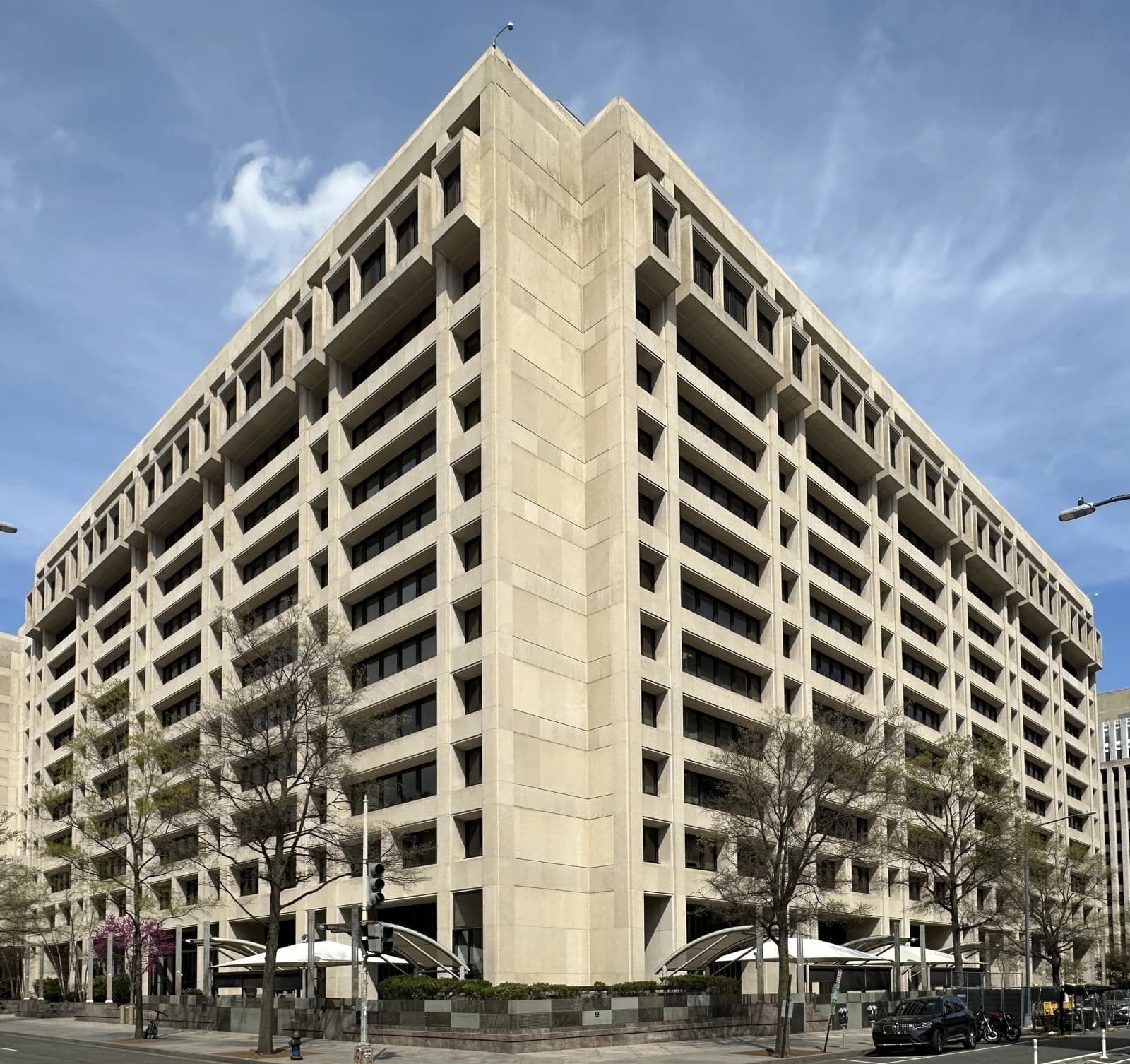
An IMF mission led by Dr. Ruben Atoyan has begun formal talks in Accra under the country’s Policy Coordination Instrument, with fiscal performance, tax mobilisation and spending plans for 2027 set to dominate the two-week review. For investors, that matters because the PCI is Ghana’s credibility bridge after its latest IMF programme: it does not deliver cash, but it is designed to keep policy discipline intact and reassure lenders, bondholders and development partners that reform momentum is real.
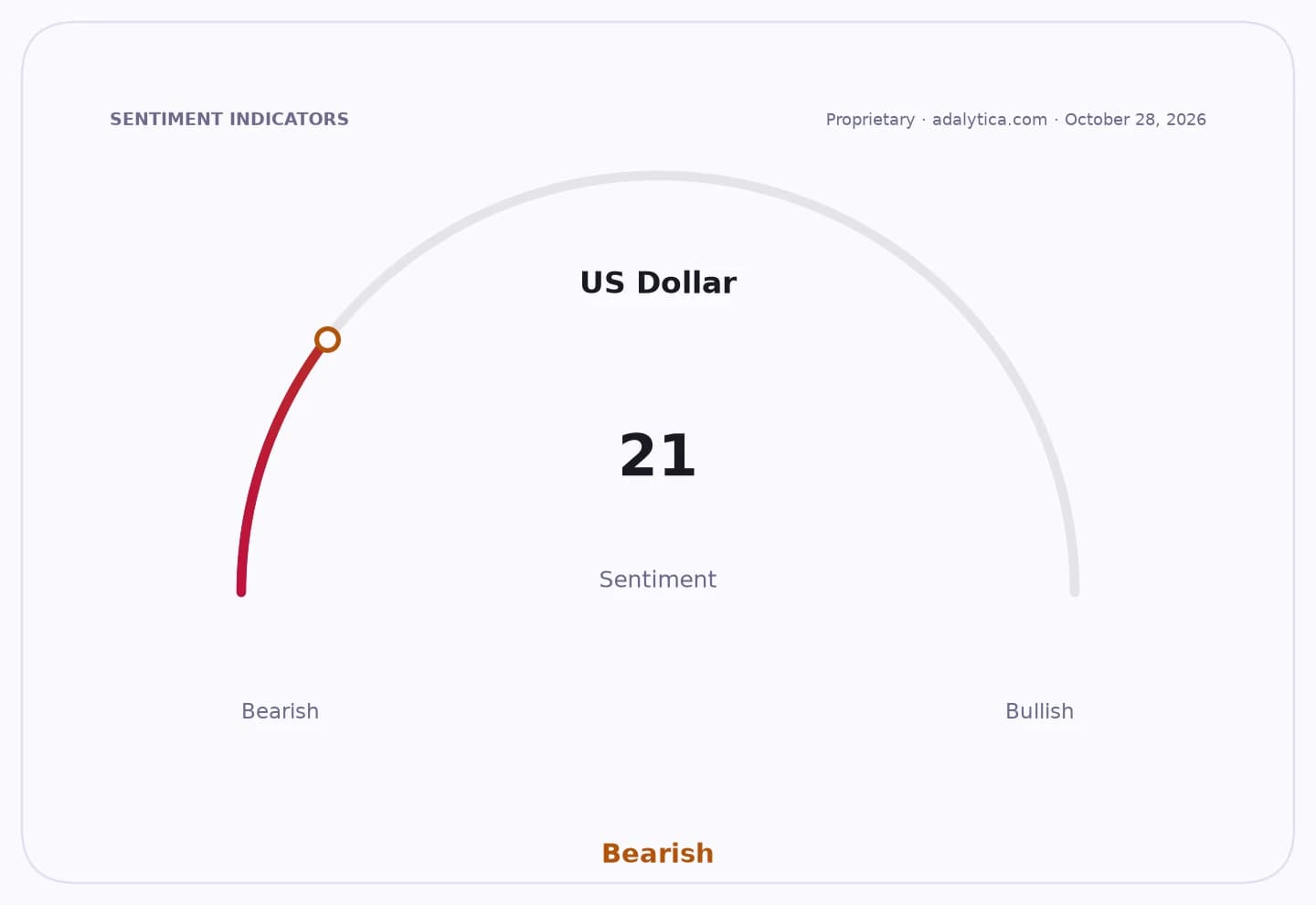
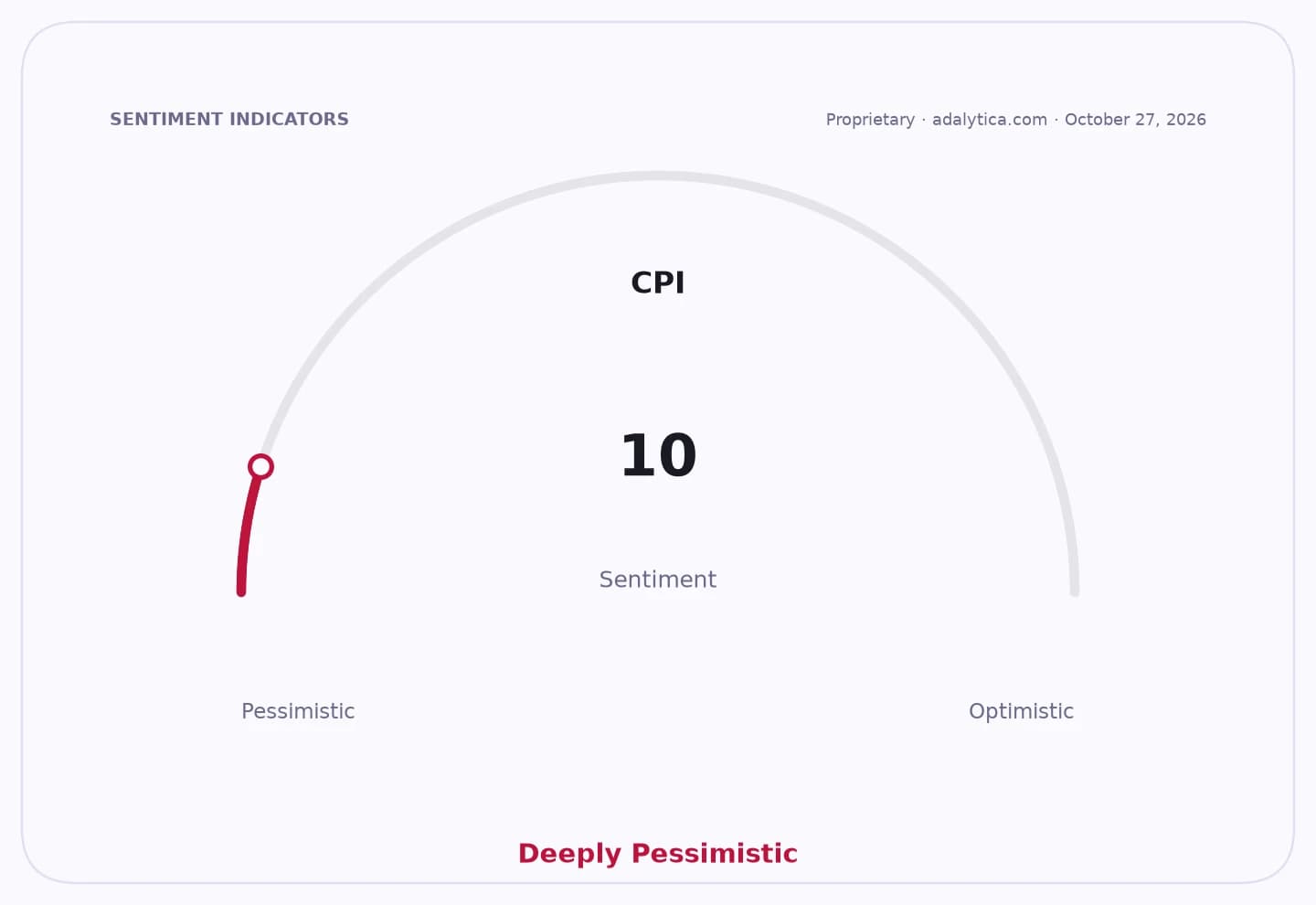
Sentiment IndicatorsⓘProprietary · adalytica.com · October 28, 2026
This is a snapshot — live sentiment, awareness and momentum for 130+ markets update continuously in the dashboard.Open AlphaPulse
The review will examine how the economy performed in the first nine months of the year and whether recent gains can be sustained. It will also probe debt levels, year-end spending control, the inflation-targeting framework, monetary policy and foreign exchange management. In other words, the IMF is checking whether Ghana can move from crisis management to durable stability — the kind of shift that determines sovereign risk premiums, cedi confidence and the cost of capital for the private sector.
That makes the budget discussion especially important. The government is preparing a 2027 spending plan that prioritises infrastructure, which is exactly where the tension lies: Ghana wants growth-supportive investment, but it still has to show it can fund that agenda without slippage on deficits or debt. If revenue mobilisation underperforms, infrastructure ambitions quickly become a pressure point rather than a growth catalyst. If revenue improves and spending stays contained, the country can extend the credibility gains earned under IMF oversight.
The mission is also expected to review the Bank of Ghana’s financial position, reserves and the safeguards around central bank independence. That is crucial because credibility in an inflation-targeting regime depends not just on policy rate moves, but on whether markets believe the central bank can defend price stability and preserve foreign-exchange resilience. For foreign investors, those are the markers that separate a fragile reform story from a durable one.
The broader narrative is straightforward: Ghana is trying to convert IMF supervision into an investable macro reset. The PCI gives the government a platform to signal discipline without new borrowing, but it also raises the bar. Markets will be watching for signs that revenue collection is improving, spending is being sequenced more carefully and the 2027 budget does not become another expansionary detour.
For investors, the opportunity remains asymmetric if Ghana keeps delivering. A steadier fiscal path would support local-currency assets, lower refinancing risk and improve the case for longer-duration exposure to Ghana-linked credits and equities. But the trade depends on execution. The IMF review will show whether Accra is building a policy framework that can sustain confidence — or merely extending the recovery between crises.
| Entity | Gains | Losses |
|---|---|---|
| Ghana government | ▲Credibility, lower risk premium | ▼Policy slippage scrutiny |
| IMF | ▲Reform compliance, policy leverage | ▼Weak fiscal execution |
| Bondholders/investors | ▲Greater macro visibility | ▼Inflation and debt risk |
| Bank of Ghana | ▲Stronger policy backing | ▼Independence pressure |