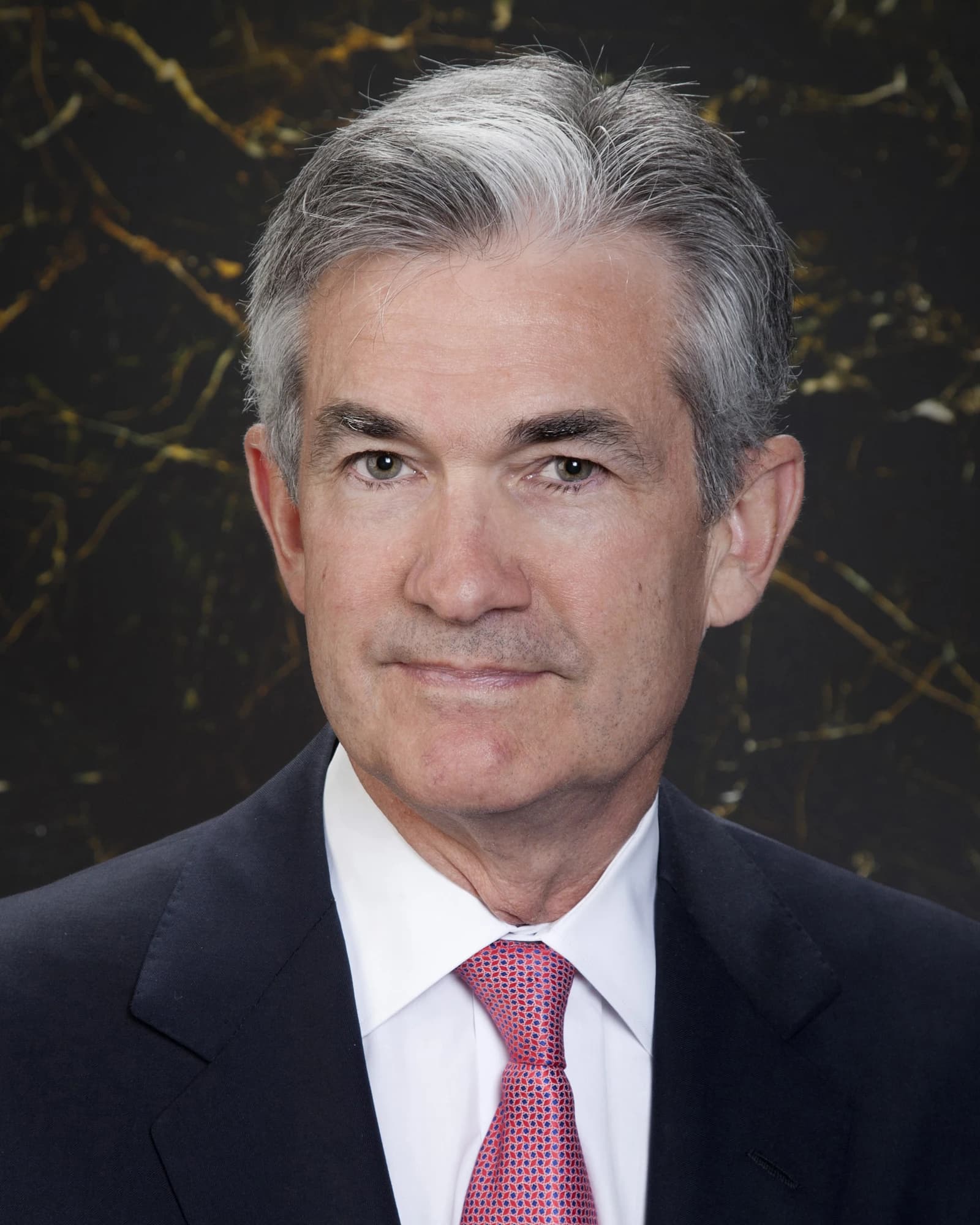
IMF Managing Director Kristalina Georgieva is warning that artificial intelligence, persistent inflation and climate change are emerging as three of the biggest threats to the global economy, a message that lands as growth is already expected to slow through 2028 and central banks stay under pressure to keep prices in check.
IMF's Georgieva Warns on AI, Inflation, Climate
Georgieva said the world economy faces both hope and risk from AI, arguing that the technology can boost productivity if it is adopted quickly but that workers and businesses also need protection from disruption. She also said inflation, high interest rates and rising debt are making repayment harder for countries and companies, while energy and financing shortages are adding strain to activity.
Sentiment IndicatorsⓘProprietary · adalytica.com · October 20, 2026
This is a snapshot — live sentiment, awareness and momentum for 130+ markets update continuously in the dashboard.Open AlphaPulse
The IMF chief’s message matters because it ties three long-running macro risks into one policy challenge: keeping inflation contained, supporting growth and managing the transition costs of a hotter, more tech-driven economy. That combination is especially difficult for policymakers because tighter money can cool prices but also leaves governments, households and highly leveraged businesses with a heavier debt burden.
For investors, the warning reinforces the case for caution around rate-sensitive assets, sovereign debt in fragile economies and sectors exposed to AI-related capex and labor disruption. It also highlights a split in the market: companies with the scale to build AI infrastructure may keep attracting capital, while firms that lack pricing power or access to financing could face margin pressure if borrowing costs stay elevated.
Georgieva also urged central banks to stay focused on price stability and step up monitoring of cyberattacks and financial fraud, underscoring that digital risk is now part of the macro backdrop. With inflation still elevated in major economies and market participants watching for any shift in policy path, the IMF’s outlook leaves little room for complacency.
The next test will be whether inflation cools fast enough to give policymakers room to support growth without loosening financial conditions too soon, while the AI investment boom and climate-related costs keep reshaping capital allocation.
| Entity | Gains | Losses |
|---|---|---|
| AI leaders | ▲Higher productivity, capital inflows | ▼Regulatory scrutiny, disruption risk |
| Central banks | ▲Stronger case for price vigilance | ▼Less room to ease policy |
| Highly indebted borrowers | ▲Debt relief only if rates fall | ▼Higher refinancing costs |
| Climate-exposed economies | ▲More policy urgency, adaptation funding | ▼Higher energy and financing strains |