Robert Kiyosaki’s message that borrowing can be the fastest way out of debt is gaining attention at exactly the wrong — or right — time, as higher-for-longer interest rates make the cost of leverage more punishing and the reward for productive assets more selective.
Capital One and debt leverage in a high-rate cycle
That distinction matters economically because the global debt backdrop is deteriorating. The U.S. is running a record $2 trillion deficit, France is seeing a bond sell-off severe enough to make sovereign debt look riskier than some corporate credit, and the IMF is warning that elevated rates can turn already heavy debt loads into a broader crisis. In that environment, debt is no longer just a financing tool; it is a spread trade between cash flow and borrowing costs.
Sentiment IndicatorsⓘProprietary · adalytica.com · October 20, 2026
This is a snapshot — live sentiment, awareness and momentum for 130+ markets update continuously in the dashboard.Open AlphaPulse

Kiyosaki’s core argument is not that debt is harmless, but that debt used to buy income-producing assets can compound wealth if the asset’s cash flow exceeds all-in carrying costs. His examples — a 58-foot sailboat and a private jet that are rented out when not in use — illustrate the kind of leverage that can work only when utilization stays high, maintenance is manageable and financing remains available. The same logic applies to businesses financing equipment, vehicles or technology that can lift revenue faster than debt service rises.
For investors, that means the real opportunity is not in reckless leverage, but in the companies and asset classes that benefit when capital is deployed into productive capacity rather than consumption. Financials with disciplined underwriting, leasing platforms, equipment finance, aviation services and specialty lenders stand to gain if borrowers chase cash-generating assets instead of balance-sheet vanity. Capital One Financial, which trades around $201 and sits near its 50-day moving average after a volatile year, is one of the names that can benefit if credit demand stays tied to resilient consumer and small-business cash flow rather than speculative borrowing.
FEDFUNDS vs DGS10 — macro contextadalytica.com
Explore this data interactively — full history, time series and cross-market comparisons.Open AlphaPulse
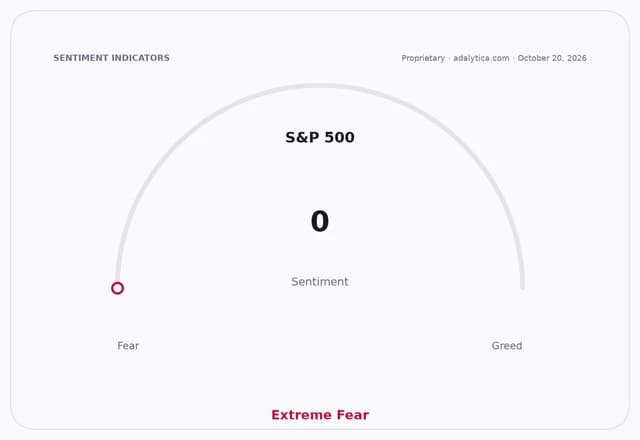
The market is also flashing the stress behind the theory. Adalytica’s S&P 500 trade signals show “Extreme Fear” sentiment even as awareness remains “Extreme Greed,” a classic sign that investors are watching macro risk without fully agreeing on how to price it. Meanwhile, the U.S. dollar’s trade signals have weakened sharply over the past month, underscoring how quickly markets are repricing the rates-and-debt outlook.
That is why Kiyosaki’s headline belongs in a much bigger story: the next phase of the cycle will reward borrowers who can turn debt into production and punish everyone else. If rates remain elevated and fiscal strains deepen, the winners will be lenders, lessors and infrastructure providers financing real assets — not consumers stretching balance sheets for liabilities disguised as lifestyle upgrades.
My view: follow the cash flow, not the slogan. The asymmetric opportunity is in productive leverage and the financial firms that underwrite it.
| Entity | Gains | Losses |
|---|---|---|
| Productive borrowers | ▲Access to accretive capital | ▼Higher financing risk |
| Lenders and lessors | ▲More asset-backed demand | ▼Credit losses if cash flow weakens |
| COF | ▲Discipline-focused loan growth | ▼Slower demand if rates bite |
| Excessive consumers | ▲Short-term spending power | ▼Balance-sheet strain |