The U.S. budget deficit climbed to $1.99 trillion in fiscal 2026, the highest since 2021, as surging debt-service costs overwhelmed President Donald Trump’s promised spending restraint and kept the federal borrowing burden on an upward path.
U.S. Budget Deficit Hits $1.99 Trillion in 2026
The Treasury said the shortfall rose 12% from $1.78 trillion a year earlier even as Washington’s outlays increased 6% to $7.4 trillion and receipts grew only 3% to $5.4 trillion. The mismatch underscores how quickly higher rates are feeding through to public finances and why the debt load remains a central macro risk for markets.
Sentiment IndicatorsⓘProprietary · adalytica.com · October 19, 2026
This is a snapshot — live sentiment, awareness and momentum for 130+ markets update continuously in the dashboard.Open AlphaPulse
Interest payments were the biggest pressure point, jumping $144 billion to a record $1.36 trillion. Treasury also booked $145 billion in tariff refunds after the Supreme Court struck down much of Trump’s tariff regime in February, adding another drag to the fiscal balance.
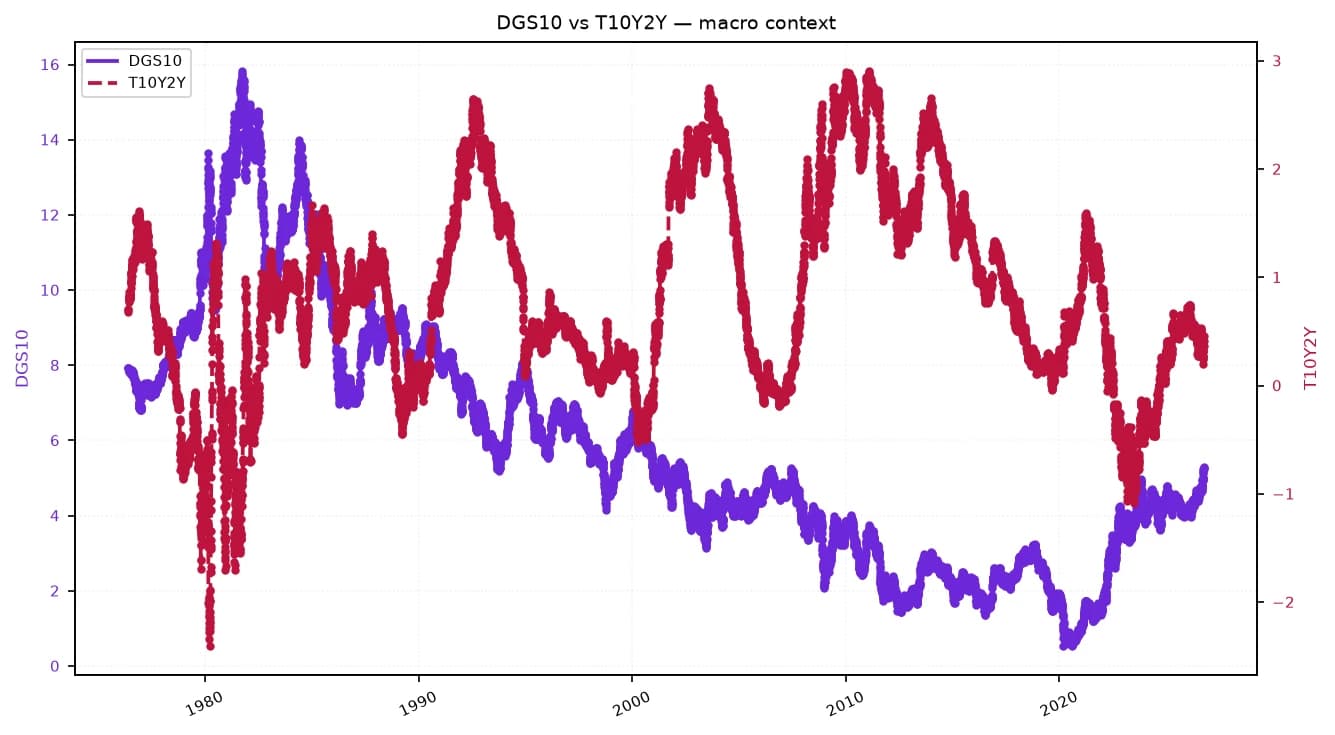
The deficit adds to a debt stock that has already topped $40 trillion, intensifying concern about the government’s financing needs at a time when the 10-year Treasury yield remains above 5% and borrowing costs across the economy are elevated. For investors, that combination matters because heavier Treasury issuance can keep pressure on bond prices, crowd out private credit and force markets to rethink how long rates can stay restrictive.
Treasuries have already been volatile, with the iShares 20+ Year Treasury Bond ETF, TLT, trading below its 50-day moving average and under its 200-day line, while the SPDR S&P 500 ETF Trust, SPY, has shown sharper swings as traders balance growth concerns against persistent fiscal strain. Adalytica’s Treasury-bond trade signal is flashing extreme greed, while its S&P 500 signal shows extreme fear, highlighting the market’s split between chasing duration and pricing in fiscal stress.
The next focus will be whether higher yields and larger refinancing needs force Washington to confront the fiscal trajectory more aggressively, especially if interest costs keep rising faster than revenue. Any further tariff-related legal fallout or growth slowdown would widen the pressure on the budget again.
| Entity | Gains | Losses |
|---|---|---|
| Treasury bond investors | ▲Higher yields on new issuance | ▼Price risk if supply stays heavy |
| U.S. government | ▲More financing capacity | ▼Bigger interest bill and deficit |
| Equity investors | ▲Potential rate relief if yields fall | ▼Valuation pressure from fiscal strain |
| Taxpayers | ▲None immediately | ▼Longer-term debt-service burden |