Developing economies are paying about $500 billion more for their debt than advanced countries, a burden the Group of 24 says is becoming a major obstacle to growth as higher borrowing costs, fiscal deficits and fresh shocks squeeze budgets across emerging markets.
Emerging Markets Face Higher Debt Servicing Costs
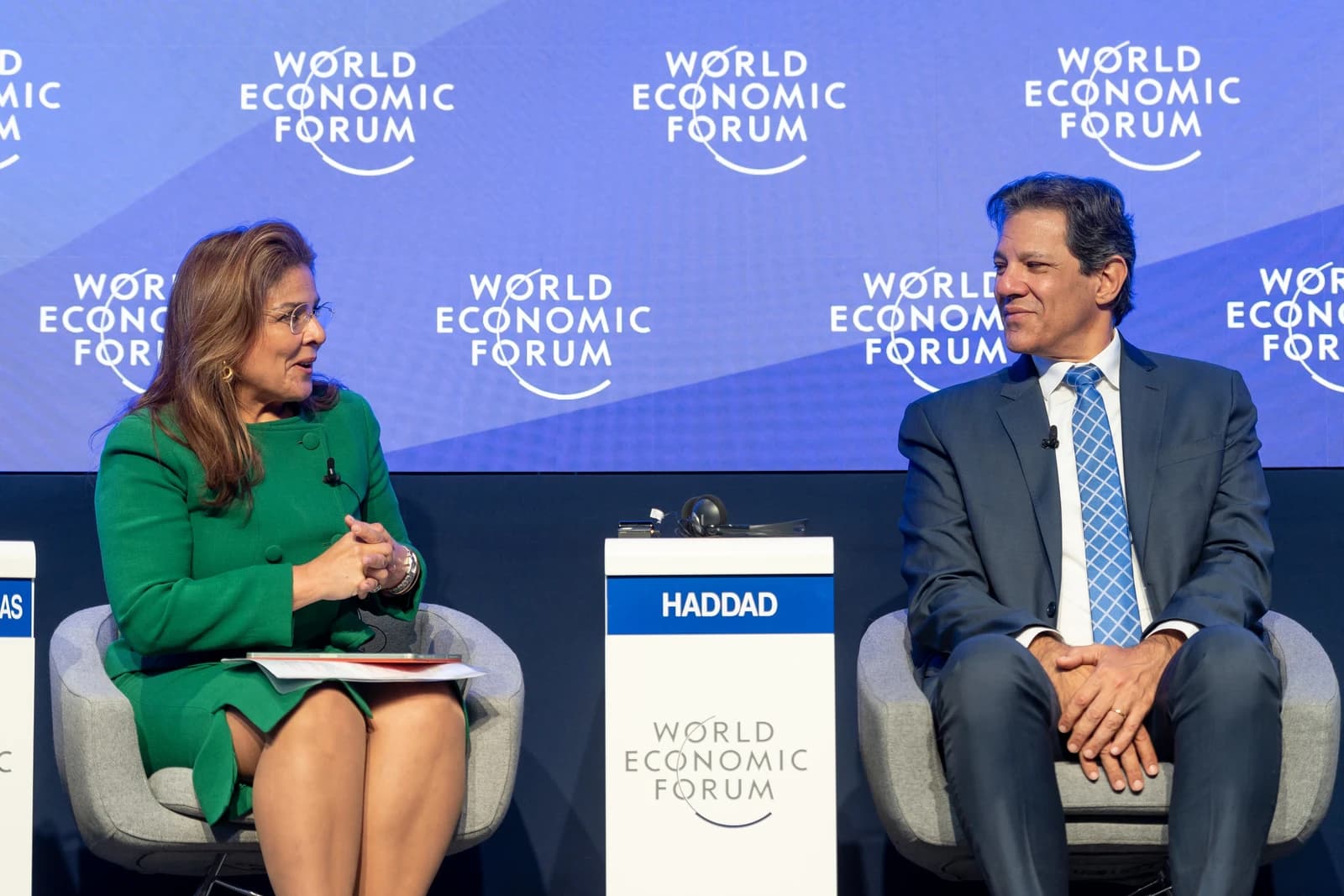
Taiwo Oyedele, who chairs the G24 and is also Nigeria’s finance minister, said the bloc’s members are contending not just with large debt stocks but with sharply higher debt-service costs. He warned that the strain is diverting scarce public resources away from investment, jobs and inclusive growth at a time when many governments are already under pressure from war-related supply shocks and climate-hit food prices.
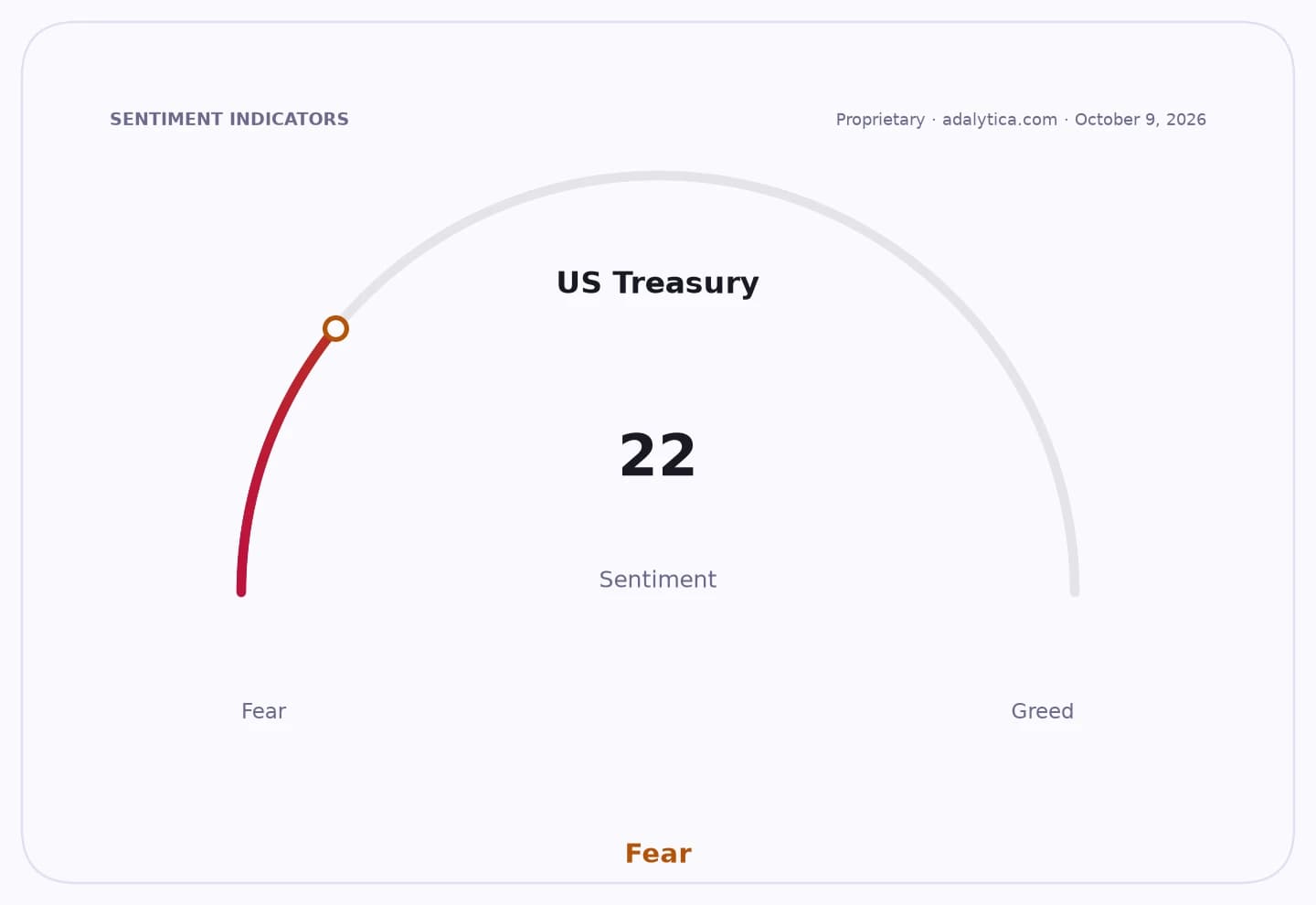
Sentiment IndicatorsⓘProprietary · adalytica.com · October 18, 2026
This is a snapshot — live sentiment, awareness and momentum for 130+ markets update continuously in the dashboard.Open AlphaPulse

The warning matters because sovereign borrowing costs are now a macroeconomic drag in their own right. With policy rates still elevated in many major economies and US 10-year Treasury yields around 5.1%, refinancing has become more expensive for lower-rated issuers, raising the risk of debt distress, austerity and slower growth in the developing world.
For investors, that raises the premium on emerging-market credit and the countries that rely most heavily on external financing. Spreads on high-yield US debt remain near 3.2 percentage points, while risk appetite has weakened more broadly, with Adalytica’s S&P 500 Trade Signals showing “fear” and US dollar sentiment still skewed negative, a backdrop that can tighten financial conditions for EM borrowers.
FEDFUNDS vs DGS10 — macro contextadalytica.com
Explore this data interactively — full history, time series and cross-market comparisons.Open AlphaPulse
The G24 said it wants the IMF and World Bank to expand access to concessional financing for vulnerable countries while private capital is mobilized and public spending is reduced. Iyabo Masha, director of the G24 secretariat, said debt is restraining growth by forcing countries to spend too much on servicing obligations instead of financing expansion.
There are some signs the debt architecture is improving. Masha pointed to Senegal, saying it was close to a final resolution with creditors, after Reuters reported the country was seeking an agreement in principle with official lenders and bondholders by December over misreported debt estimated at $13 billion.
The debt warning also comes as developing economies face a second structural risk: missing the productivity gains from artificial intelligence. The IMF cut its growth forecasts for Latin America and the Caribbean this week, saying much of the region is getting little lift from the AI boom that is helping some richer economies absorb energy shocks.
For policymakers, the immediate test is whether multilateral lenders can scale up cheaper financing before debt stress becomes broader. For markets, the issue is whether rising borrowing costs start feeding more restructurings, wider spreads and weaker growth across the emerging world.
| Entity | Gains | Losses |
|---|---|---|
| IMF/World Bank | ▲Higher policy relevance | ▼More pressure to lend concessional funds |
| Heavily indebted EM governments | ▲Debt relief prospects | ▼Fiscal space and growth |
| Creditors/bondholders | ▲Fewer disorderly defaults if deals advance | ▼Greater restructuring risk |
| EM investors | ▲Better debt workout framework | ▼Wider spreads, higher volatility |