Africa’s debt load is back in focus as the African Development Bank convenes a high-level policy dialogue on sustainable debt management, with governments and creditors under pressure to agree faster, more durable fixes while borrowing costs remain elevated.
Africa debt dialogue on sustainable debt management
The virtual meeting, held as a side event to the Tokyo International Conference on African Development on Aug. 23, comes as the continent absorbs the aftershocks of the pandemic and the Russia-Ukraine war. Those shocks have squeezed trade, lifted import bills and made it harder for poorer sovereigns to finance recovery without adding more debt.
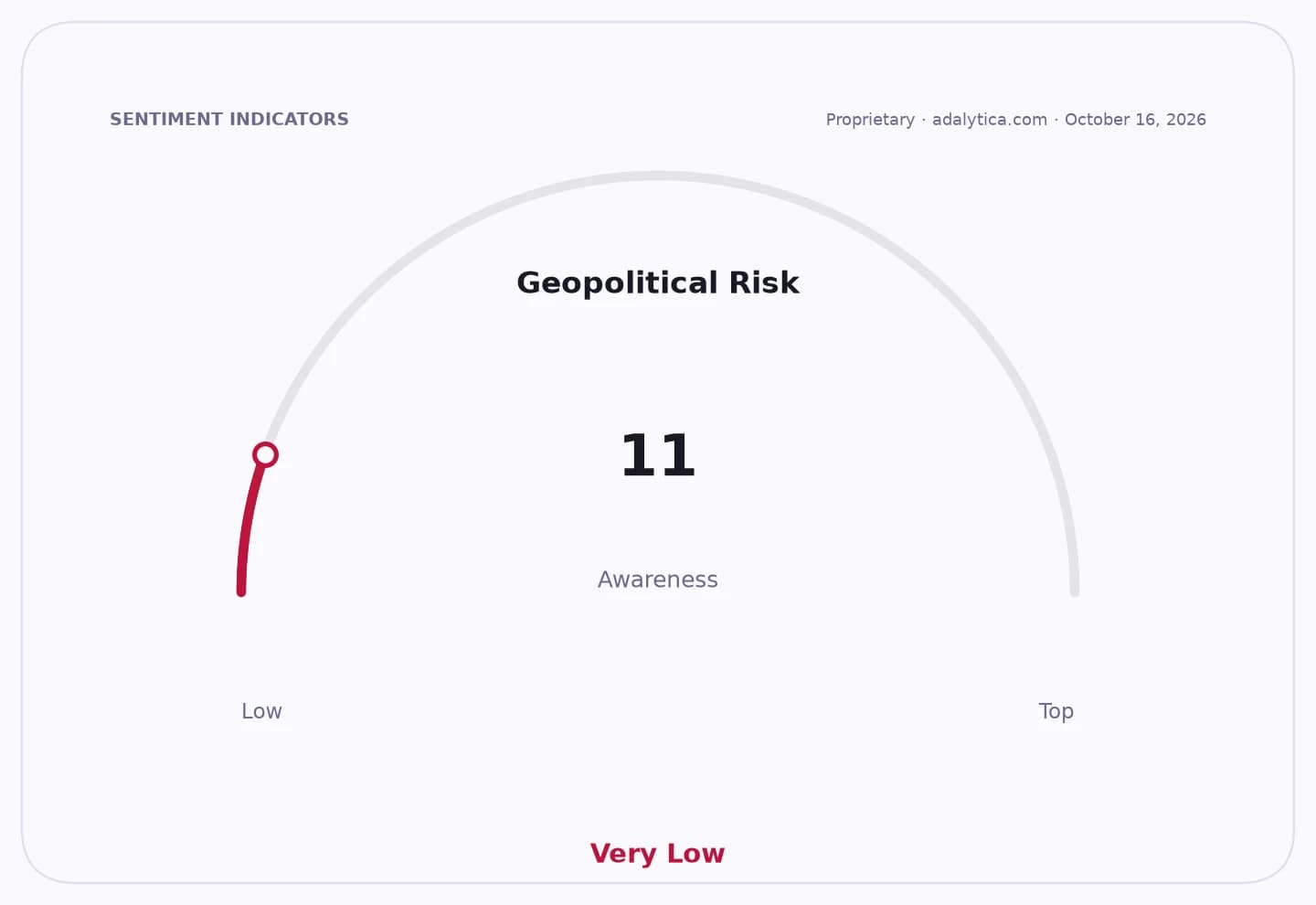
Sentiment IndicatorsⓘProprietary · adalytica.com · October 15, 2026
This is a snapshot — live sentiment, awareness and momentum for 130+ markets update continuously in the dashboard.Open AlphaPulse
The AfDB said the discussion will bring together senior government officials, creditors, economists and debt experts from multilateral lenders to examine the future debt architecture and ways to use the G20 Common Framework more effectively. That matters because many African governments still carry debt ratios above pre-pandemic levels even after growth recovery and relief measures helped stabilize the headline debt-to-GDP picture in 2021 and 2022.
For investors, the policy push underscores how fragile sovereign credit conditions remain across parts of Africa, where debt service burdens can crowd out spending on infrastructure, health and food support. It also highlights the limits of existing restructuring tools, which have often been slow, complex and uneven in delivering fresh financing or meaningful debt relief.
The backdrop is one of persistently high global rates and tighter financing conditions, which make refinancing more expensive for frontier borrowers and can keep local-currency pressure elevated. In that environment, any improvement in restructuring coordination, creditor treatment or access to long-term concessional funding could help reduce default risk and improve the outlook for sovereign bonds and development-finance flows.
The dialogue is likely to feed into broader debates over how to make debt workouts more predictable for African issuers, especially as governments face the dual challenge of supporting vulnerable households and preserving fiscal space. Markets will be watching for signals on whether multilateral lenders can translate policy coordination into quicker deals for stressed sovereigns later this year.
| Entity | Gains | Losses |
|---|---|---|
| African sovereign borrowers | ▲Easier relief terms | ▼Lower fiscal space if talks stall |
| Multilateral lenders | ▲Greater policy influence | ▼More restructuring pressure |
| Private creditors | ▲Clearer framework | ▼Potential haircut risk |
| African taxpayers/public services | ▲More room for spending | ▼Debt-service burden if unresolved |