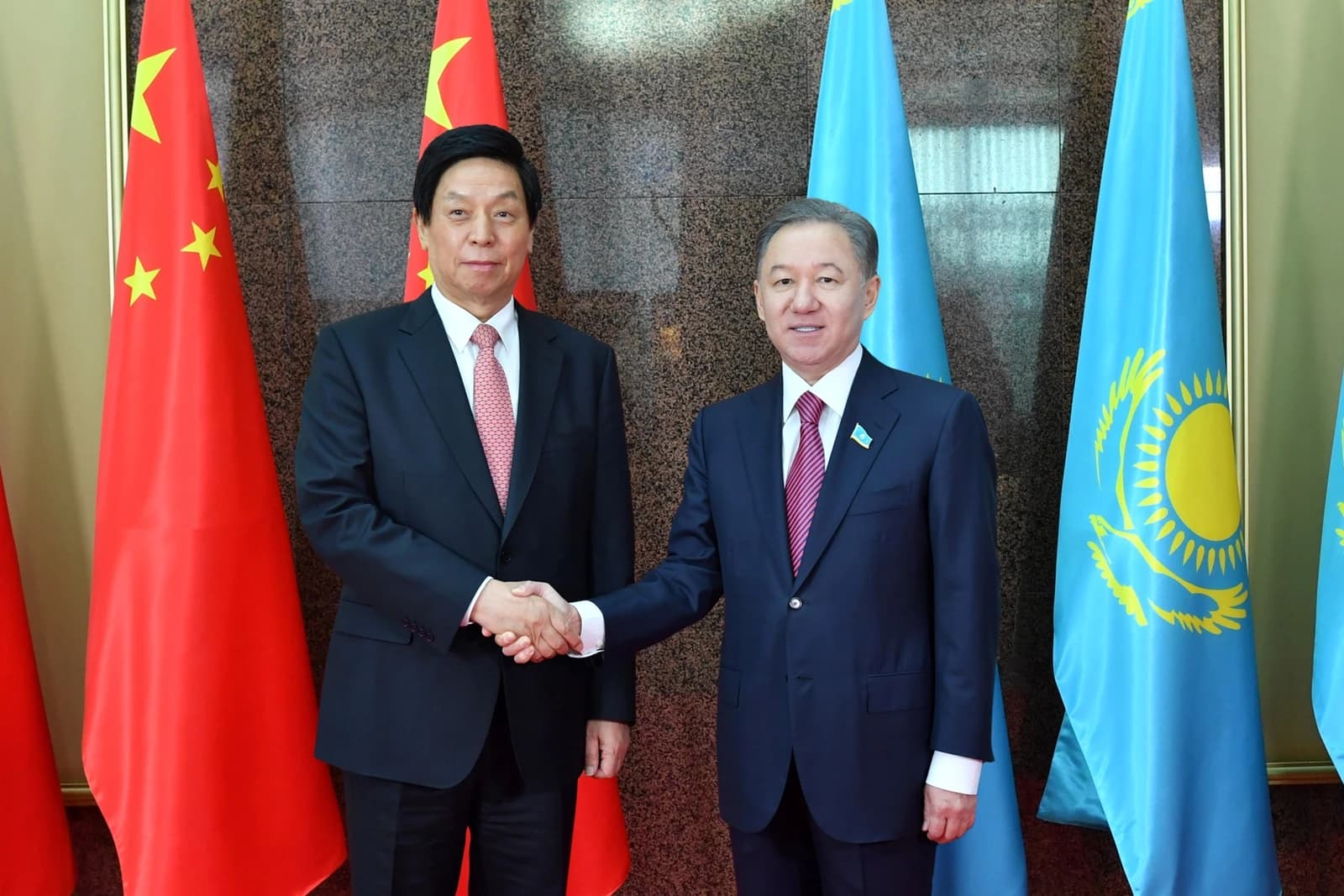
Kenya’s rejection of reports that it defaulted on Chinese railway debt matters because it goes straight to the country’s borrowing credibility at a time when higher global rates are already squeezing emerging-market finances.
Kenya Denies Default on Chinese Railway Debt

The finance ministry said the country never defaulted on any creditor after reports that Chinese banks had fined Kenya $11 million for missed payments on loans used to build a major railway. That distinction is important: even if no formal default occurred, any suggestion of arrears, penalties or delayed servicing raises questions about cash flow, refinancing needs and the government’s ability to manage a heavy external debt load.
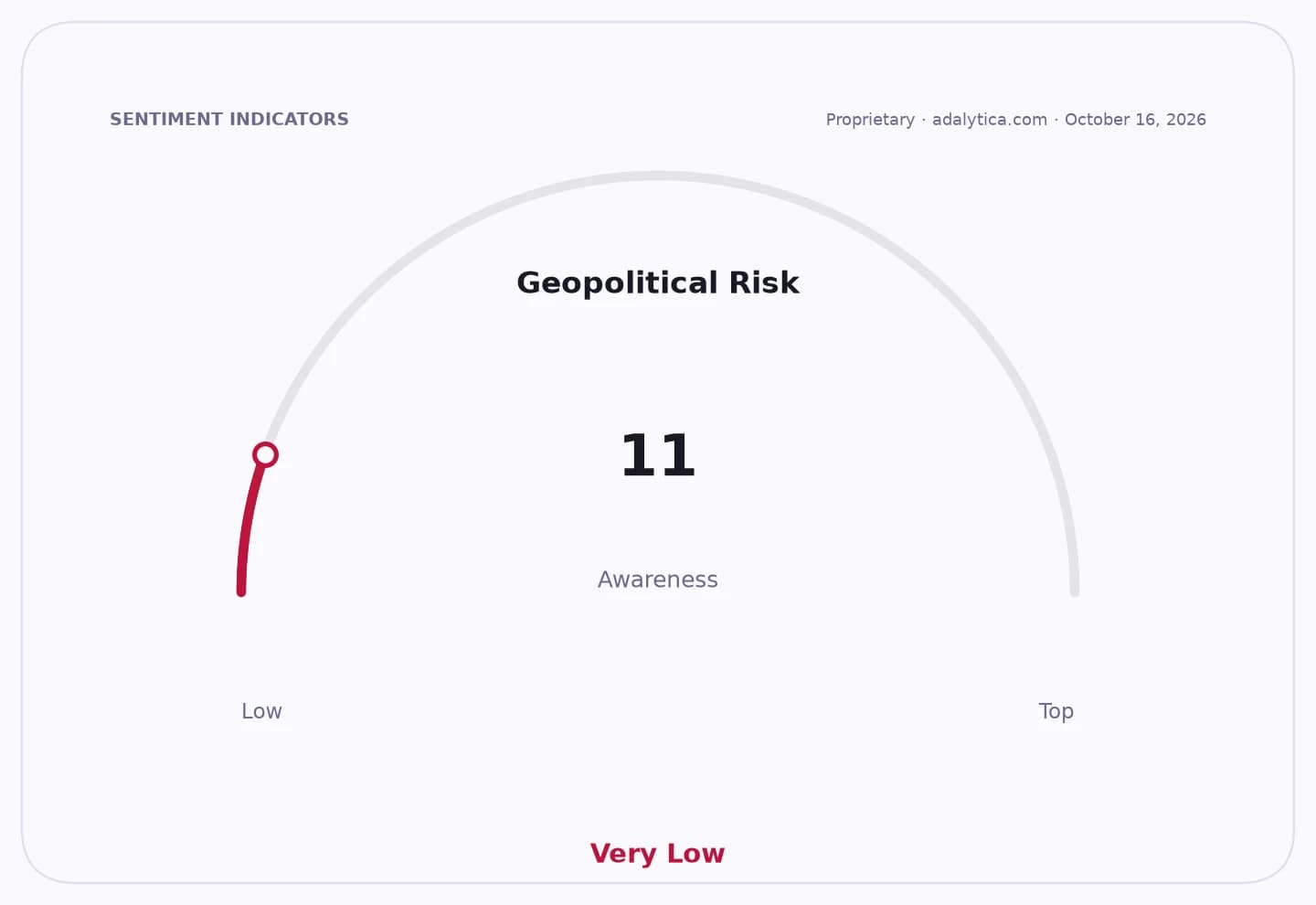
Sentiment IndicatorsⓘProprietary · adalytica.com · October 16, 2026
This is a snapshot — live sentiment, awareness and momentum for 130+ markets update continuously in the dashboard.Open AlphaPulse
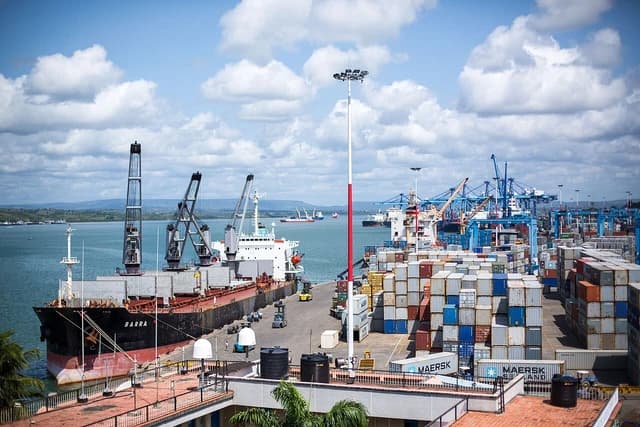
For investors, the issue is less about the one-off penalty and more about what it says about Kenya’s funding profile. Sovereign borrowers that rely on repeated market access are punished quickly when confidence slips, because a loss of credibility can lift borrowing costs, narrow financing options and complicate rollovers. That is especially true in a market environment where yields remain elevated and risk appetite toward lower-rated sovereigns is fragile.
The broader narrative is that debt stress is moving from abstract warning to country-specific headline risk. Kenya has been under scrutiny for rising obligations tied to infrastructure spending, and the dispute over Chinese lending adds another layer to concerns that large public projects financed with external debt can become fiscal traps if export earnings, tax collection or growth do not keep pace.
That is why this story matters beyond Nairobi. It sits at the intersection of sovereign debt sustainability, China’s role as a lender to Africa, and the global repricing of capital. When governments are forced to defend their repayment record, the market starts asking a harder question: not whether the bill is due, but whether the financing model still works.
The investable takeaway is clear. Credit-sensitive investors should keep a tighter watch on frontier and lower-rated African issuers with heavy external debt, while lenders and contractors exposed to sovereign projects may face more payment scrutiny. The more this funding environment tightens, the more valuable balance sheets, hard currency revenues and low leverage become. Kenya’s denial may calm the immediate headline, but it does not erase the underlying debt risk premium.
| Entity | Gains | Losses |
|---|---|---|
| Kenya government | ▲Avoids formal-default stigma | ▼Faces credibility pressure |
| Chinese lenders | ▲Continue repayment leverage | ▼Risk public scrutiny |
| Kenya sovereign bonds | ▲Short-term headline relief | ▼Higher risk premium |
| Frontier debt investors | ▲Clearer disclosure | ▼More sovereign risk awareness |