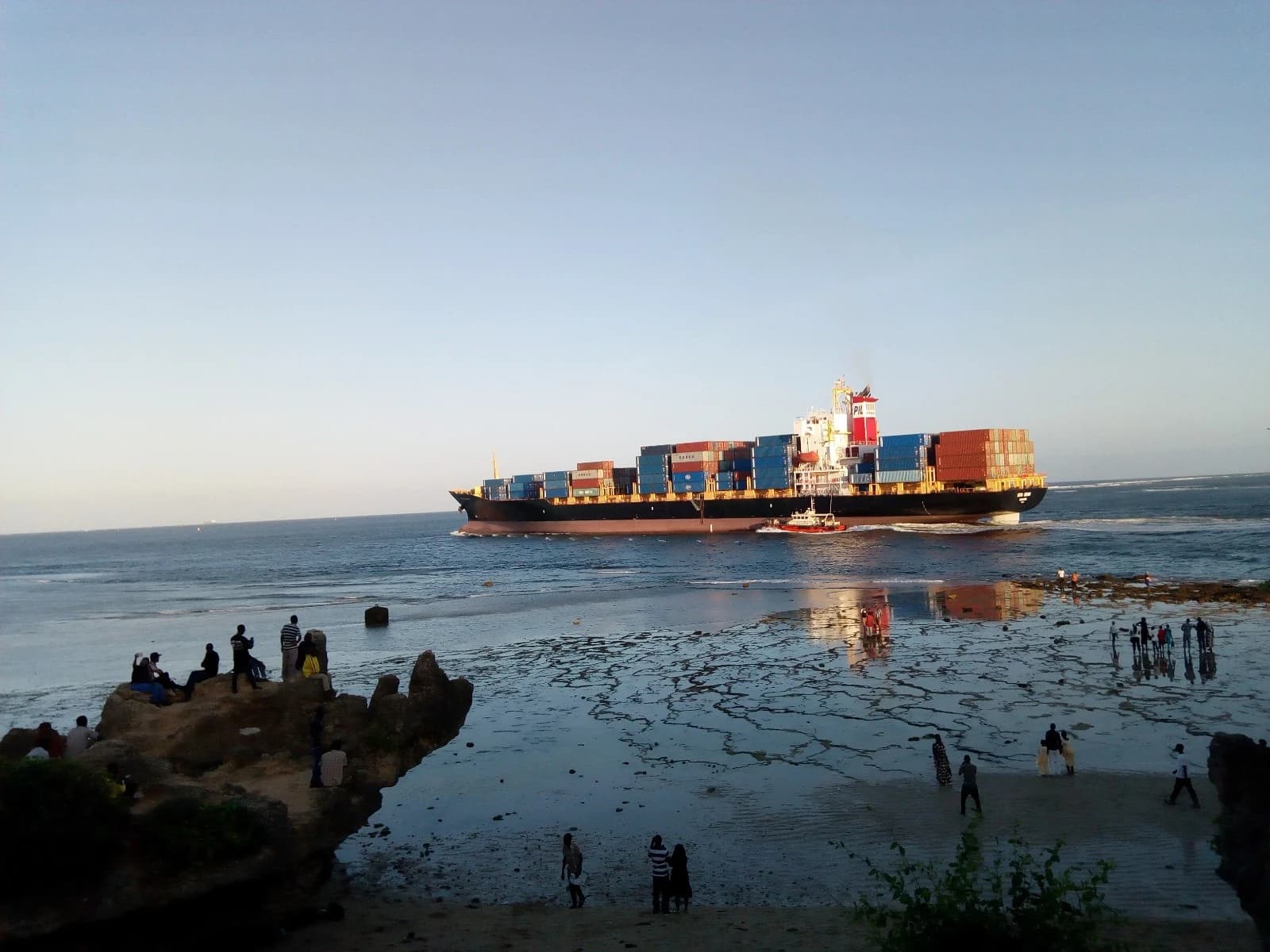
Africa’s growth story is increasingly being priced through the lens of risk, and that is where Mauritania matters.
Mauritania and Africa's capital deployment outlook

The continent is drawing more foreign capital, but the market is still demanding a steep premium to compensate for weak infrastructure, fragmented trade links, high domestic debt in parts of Southern Africa and a financing gap that continues to choke projects before they scale. That tension is the real investment narrative now: Africa is moving from a story of promise to a story of allocation, with capital flowing faster into countries and sectors that can convert investment into exports, energy and hard currency earnings.
Mauritania sits inside that shift. As investors look for the next frontier beyond the better-known North African and West African hubs, the country’s positioning alongside a broader push for African integration highlights where the opportunity is most asymmetric: resource-backed, export-oriented economies that can benefit from lower perceived political risk and rising interest in the continent’s long-term growth.
Egypt’s status as North Africa’s fifth-largest recipient of foreign direct investment shows that capital is still selective rather than broad-based. Zambia’s upgraded growth outlook suggests some of the region’s risk discount can narrow when macro stability improves. And the efforts by ECOWAS and the OECD to deepen trade and investment ties point to a larger conclusion investors cannot ignore: Africa’s winners will be the countries that can turn regional cooperation into bankable projects, not just policy headlines.
That makes the current backdrop especially important for investors hunting the next wave of exposure. The market underestimates how quickly capital can rotate toward infrastructure, logistics, energy and mining plays when trade corridors improve and financing becomes more available. Formula 1’s return to Africa is symbolic, but it also reflects a broader rebranding of the continent as investable, not merely aspirational.
The biggest opportunity, in our view, is not in chasing the most crowded markets. It is in the second-order beneficiaries: ports, power, rail, industrial services and companies tied to resource monetization in countries that can lower execution risk and attract foreign capital. If the $31 billion risk premium starts to compress even modestly, the rerating potential across African assets could be substantial.
For investors, the message is straightforward: the continent of the future is becoming a capital deployment story, and the best returns are likely to come from the places that look overlooked today but are closest to the next wave of trade, infrastructure and export growth. Mauritania belongs on that shortlist.
| Entity | Gains | Losses |
|---|---|---|
| Mauritania | ▲Frontier re-rating potential | ▼Still must prove execution |
| Africa infrastructure investors | ▲Higher project demand | ▼Financing and country risk |
| Exporters and logistics firms | ▲Trade integration tailwind | ▼Fragmented markets |
| High-risk sovereign borrowers | ▲Shorter-term capital access | ▼Higher funding costs |