Sub-Saharan Africa’s economy is proving more resilient than expected, but the IMF is warning that the region’s inflation outlook has deteriorated enough to threaten the rebound.
IMF raises sub-Saharan Africa growth forecast to 4.5%
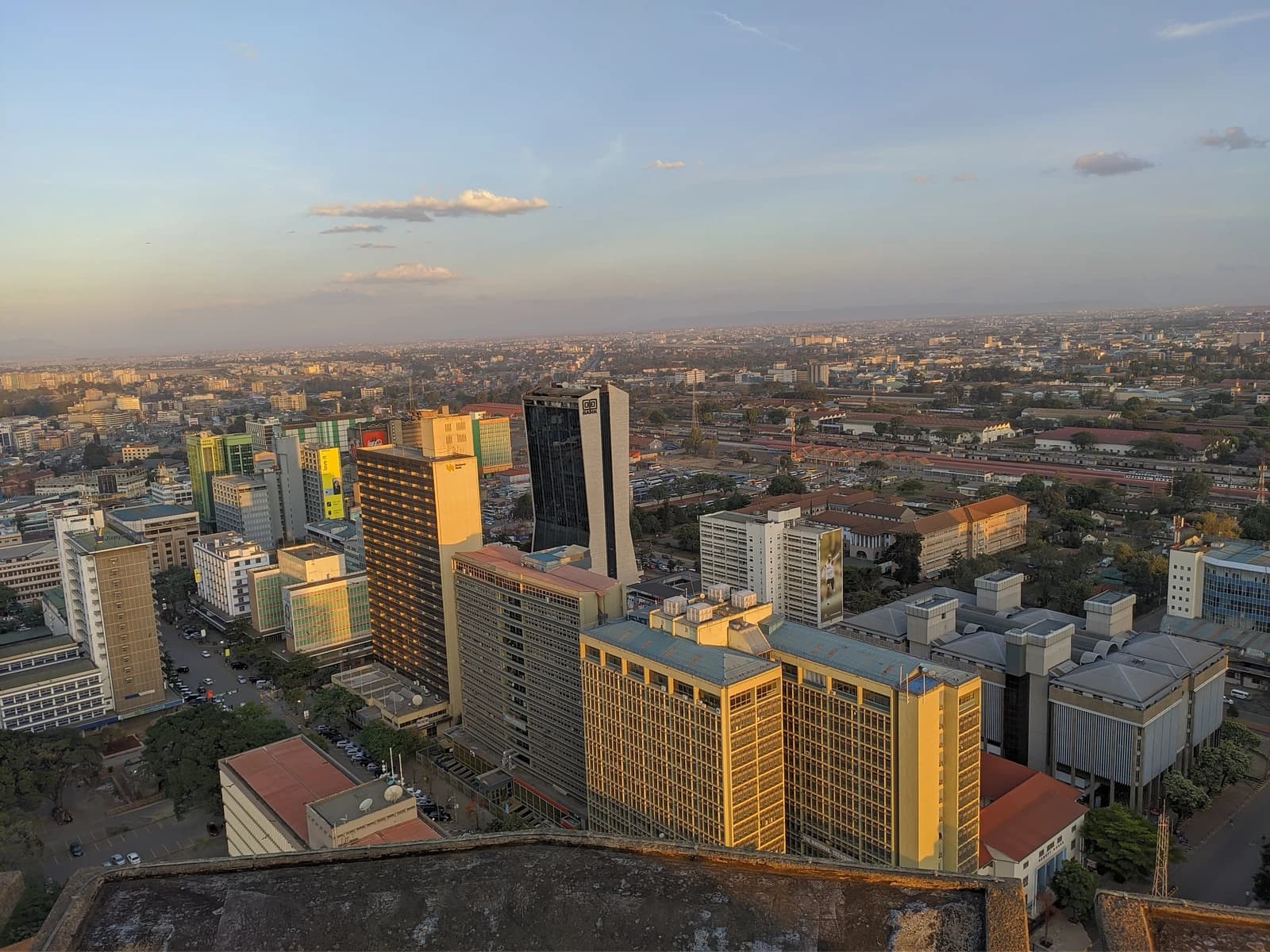
The fund lifted its 2026 growth forecast for sub-Saharan Africa to 4.5% from 4.3% in April, citing supply improvements and domestic reforms. But that better-than-expected growth is being offset by a worsening inflation path, with median price pressures now seen rising from 3.4% in 2025 to 4.3% in 2026 and 5.0% in 2027. That is a sharp reversal from April, when the IMF expected inflation to peak next year and then ease.
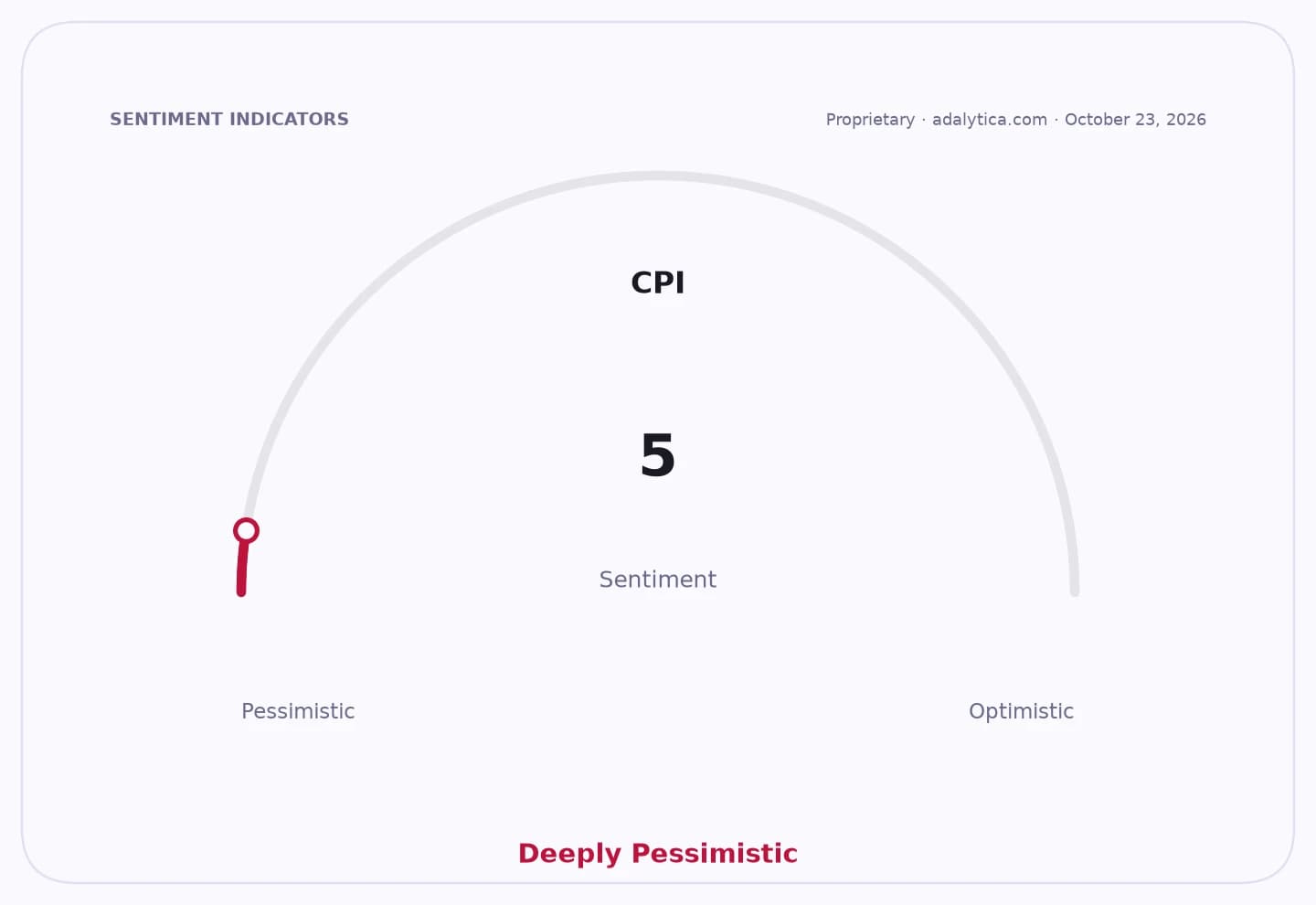
Sentiment IndicatorsⓘProprietary · adalytica.com · October 25, 2026
This is a snapshot — live sentiment, awareness and momentum for 130+ markets update continuously in the dashboard.Open AlphaPulse
For investors and policymakers, the shift matters because it suggests the region’s recovery is becoming less comfortable just as financing conditions remain tight. Higher inflation tends to force central banks to keep rates restrictive for longer, which raises borrowing costs for governments and companies already dealing with high debt-service burdens. The IMF said monetary tightening “may be needed” for most countries, a firmer warning than its April reference to a “difficult balancing act.”
The pressure is most acute where fiscal space is already thin. Interest payments now absorb about 12% of government revenue across the region, while the US 10-year Treasury yield has climbed from 4% in late February to 5.2% by end-September, lifting the cost of external borrowing even as sovereign spreads have narrowed. That combination leaves less room for public investment, social spending and countercyclical support if growth slows.
The IMF also highlighted a widening split between commodity exporters and importers, a divide that could shape investment flows and debt risk over the next year. Oil exporters’ current-account surpluses are projected to widen to 4.4% of GDP from 1.6%, while deficits for non-resource-intensive economies are seen deepening to 5.8% from 3.4%. That divergence strengthens the balance sheets of resource-rich countries, but it leaves import-dependent economies more exposed to food and fuel shocks, weaker currencies and higher refinancing risk.
Aid flows are turning less supportive at the same time. Bilateral aid is projected to fall another 12% in 2026 after dropping by roughly a quarter in 2025, removing another cushion for economies with limited domestic revenue and large external financing needs. That makes the region more vulnerable if inflation stays sticky or if global funding conditions tighten again.
The biggest downside risk in the IMF’s outlook is climate-related. El Niño now features as a key threat, with the fund saying the weather shock could cut growth by half a percentage point and add 2.6 percentage points to inflation in 2027 if it disrupts agriculture and food supply. For countries where food makes up a large share of household spending, that would quickly feed into living costs, social pressure and monetary policy decisions.
The market implication is that Africa’s resilience story is not gone, but it is becoming more selective. Commodity exporters, reformers and countries with stronger reserves may continue to attract capital, while import-dependent and heavily indebted economies remain at risk of a growth slowdown if price pressures intensify. For investors, the key trade-off is that stronger growth alone is no longer enough; the path of inflation, external financing and climate shocks will decide which economies can sustain the recovery.
| Entity | Gains | Losses |
|---|---|---|
| Oil exporters | ▲Widening external surpluses | ▼Less pressure on reserves |
| Non-resource importers | ▲Stronger reform momentum | ▼Wider deficits, weaker buffers |
| Governments | ▲Better growth outlook | ▼Higher debt-service burden |
| Bond investors | ▲Narrower sovereign spreads | ▼Sticky inflation risk |