Sub-Saharan Africa is set for its strongest expansion in years, but the region’s 4.5% growth outlook for 2026 and 2027 still comes with an inflation bill that could blunt the payoff for investors and policymakers alike.
Sub-Saharan Africa growth outlook and inflation in 2026

The IMF’s latest regional projection points to growth holding up on the back of earlier reforms, shifting global supply chains and firmer export earnings in some economies. That matters because it suggests the region is not just recovering — it is starting to benefit from a deeper reallocation of trade and capital toward producers that can capture new manufacturing, commodity and logistics flows.
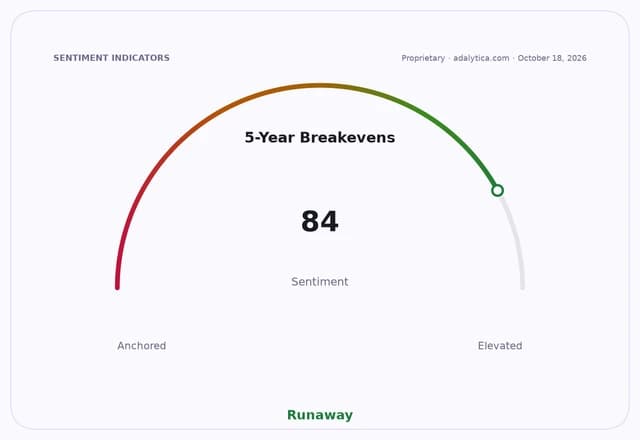
But the opportunity is not clean. Median inflation is expected to rise to 4.3%, a reminder that price stability remains fragile even as activity improves. For governments, that means a harder balancing act between supporting growth and protecting household purchasing power. For markets, it means the growth story cannot be read as a simple risk-on trade: higher inflation can delay rate cuts, keep real yields elevated and compress consumer demand even when headline GDP is improving.
Nigeria sits at the center of that tension. The IMF’s regional view underscores the need to keep reforms moving, deepen non-oil exports and turn macro stabilization into something households can feel. That is the real test across the region: growth rates are improving on paper, but living standards, currency resilience and investment returns will depend on whether governments can keep inflation from eroding the gains.
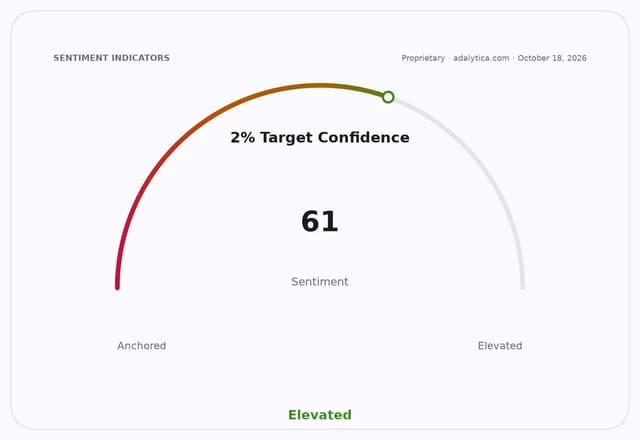
For investors, the message is that Sub-Saharan Africa is becoming more investable, but only selectively. The winners are likely to be exporters, reforming sovereigns and companies tied to infrastructure, logistics, energy and non-oil trade. The losers are businesses dependent on domestic purchasing power, imported inputs or easy monetary conditions. If the region can sustain reform momentum, the next leg of returns will come from the places where growth is being built, not where it is merely being announced.
| Entity | Gains | Losses |
|---|---|---|
| Exporters | ▲Stronger foreign earnings | ▼Domestic importers |
| Reforming governments | ▲Faster growth credibility | ▼Inflation-sensitive policymakers |
| Non-oil producers | ▲Trade diversification tailwind | ▼Consumer-facing firms |
| Local households | ▲Job and income potential | ▼Real purchasing power |