Rising government borrowing costs in the world’s biggest economies are starting to look like a global fiscal problem, with the IMF warning that higher yields could strain budgets from Washington to low-income borrowers.
IMF warns higher bond yields strain global budgets
The fund said the Group of Seven’s average 10-year government bond yield climbed by more than 1 percentage point between February and September 2026, a sharp move that raises the cost of financing deficits just as public debt heads toward another record. The IMF projects global public debt will exceed a year of world output by 2030.
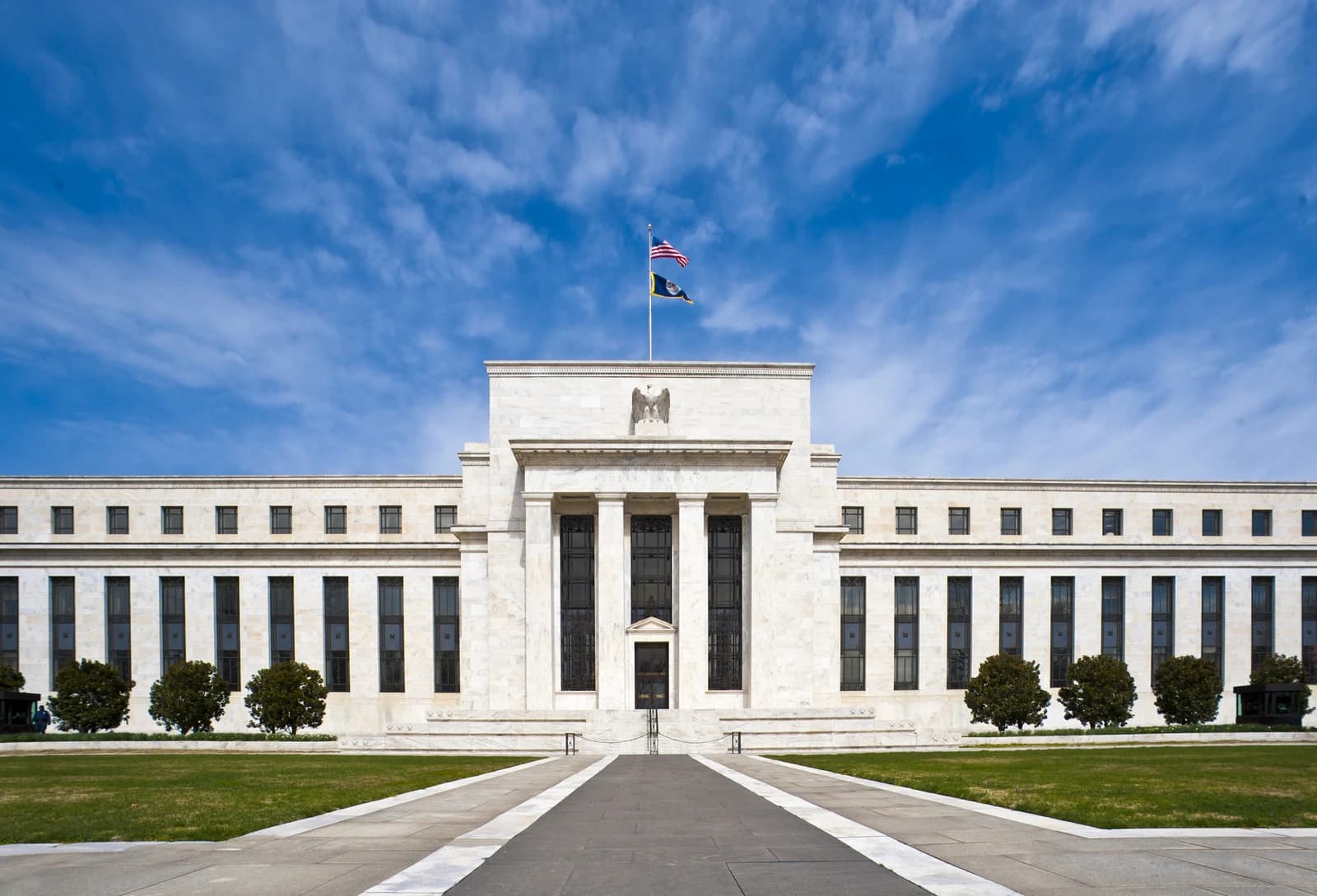
Sentiment IndicatorsⓘProprietary · adalytica.com · October 24, 2026
This is a snapshot — live sentiment, awareness and momentum for 130+ markets update continuously in the dashboard.Open AlphaPulse
That matters because higher benchmark yields in the U.S., Europe and Japan tend to spill over into sovereign and corporate funding costs elsewhere. The IMF said low-income countries already spend more than 15% of fiscal revenue on interest payments, leaving less room for infrastructure, health care and social spending.
The backdrop is a mix of inflation, oil-price pressure, artificial intelligence-related investment demand and lingering fiscal strain. The IMF said world growth should still improve to 3.1% in 2026 and 3.4% in 2027, but the recovery is uneven, with economies plugged into AI supply chains outperforming while energy importers and fragile states face greater pressure.
DGS10 vs T10Y2Y — macro contextadalytica.com
Explore this data interactively — full history, time series and cross-market comparisons.Open AlphaPulse
Markets are already reflecting the tighter rate environment. U.S. Treasury yields remain elevated, with the 10-year note around 5.12% on Oct. 20 before easing to 4.96% two days later, while longer-duration bond funds such as TLT and IEF have been volatile as traders reassess the path for rates. In the junk-bond market, JNK has held up better, but the broader rise in risk-free borrowing costs still squeezes refinancing and corporate credit spreads.
The IMF also flagged a separate market risk tied to artificial intelligence: if investment spending or profits disappoint, related assets could fall sharply, with leverage and crowded positioning amplifying any selloff. For investors, the message is that the current yield rise is no longer just a duration trade — it is feeding into sovereign funding stress, corporate borrowing costs and the durability of the global growth story.
| Entity | Gains | Losses |
|---|---|---|
| Lenders / bond buyers | ▲Higher yields | ▼Lower bond prices |
| Governments with heavy debt | ▲Longer funding runway if growth holds | ▼Higher interest bills, tighter budgets |
| High-grade borrowers with strong cash flow | ▲Access to capital over weaker peers | ▼Less favorable refinancing terms |
| Low-income and fragile economies | ▲— | ▼More fiscal strain, less room for spending |