African finance ministers are intensifying a push to rewrite the terms of sovereign lending, arguing that IMF surcharges and front-loaded austerity are deepening the debt trap at a time when borrowing costs are already punishingly high.
African Ministers Push IMF Debt Reform
The shift matters because the debate is no longer about abstract development rhetoric; it is about fiscal space. For heavily indebted African economies, every additional dollar spent on debt service is a dollar not spent on schools, hospitals, infrastructure or climate resilience. That makes the Common African Position on Debt an effort to change the distribution of costs in the global financial system, not just the language of reform.
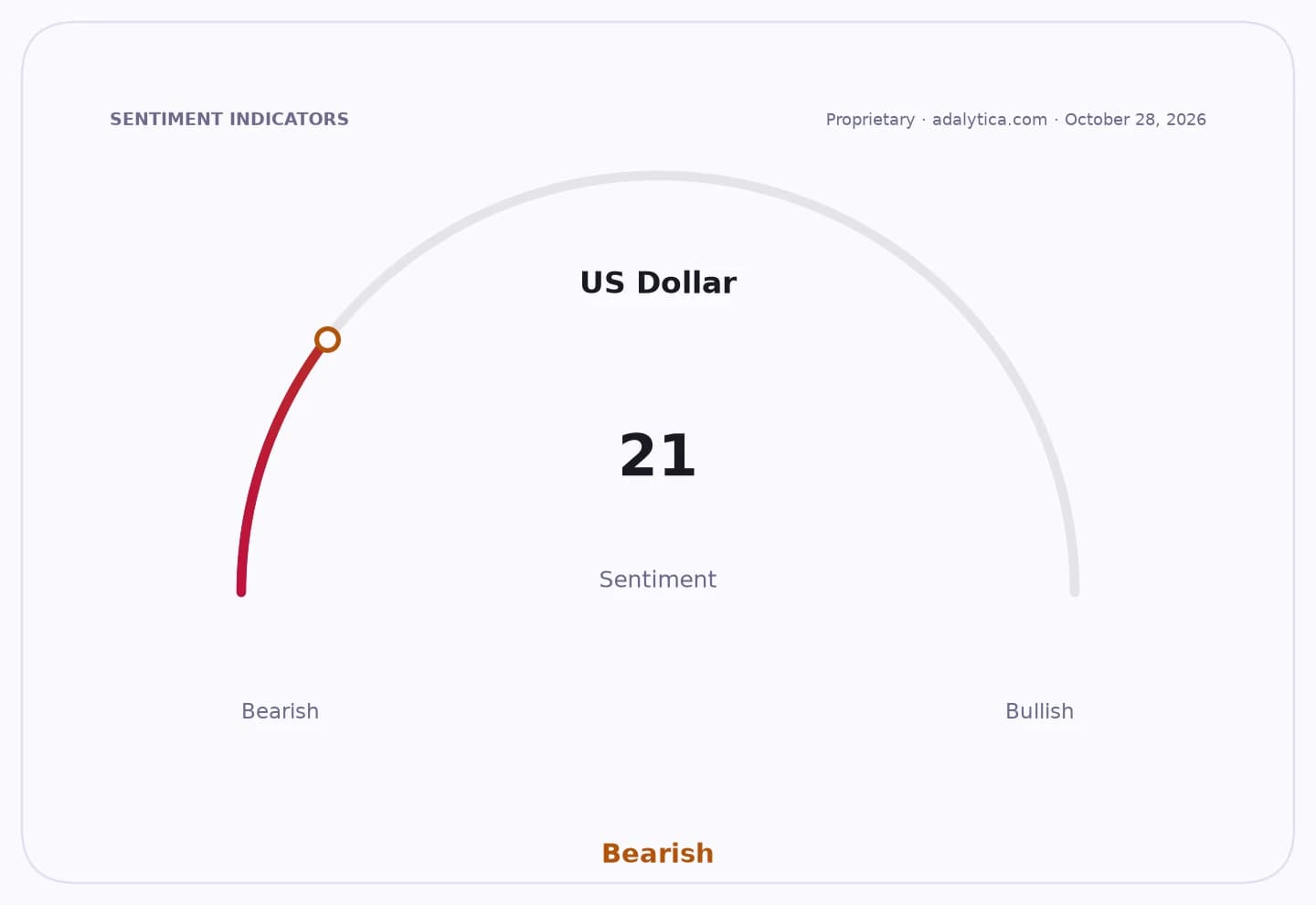
Sentiment IndicatorsⓘProprietary · adalytica.com · October 28, 2026
This is a snapshot — live sentiment, awareness and momentum for 130+ markets update continuously in the dashboard.Open AlphaPulse
The policy fight comes as the IMF itself warns that global public debt may approach 100% of GDP, underscoring how quickly sovereign balance sheets can come under strain in a higher-rate world. For African borrowers, the problem is magnified by weaker revenue bases, tighter external financing conditions and repeated refinancing needs. The longer these countries are forced to manage debt through spending cuts and tax hikes, the greater the risk of slower growth, poorer social outcomes and political backlash.
Civil society groups are pressing the same case from a rights-based angle. At the IMF and World Bank annual meetings in Bangkok, more than 2,000 community and civil society representatives challenged debt burdens and lending conditionalities, while protests outside the meetings highlighted the public anger that often follows IMF-backed adjustment programs. Their criticism is that austerity imposed upfront can protect creditors and preserve near-term repayment capacity, but it frequently does so by shrinking demand and worsening inequality.
That argument has clear market consequences. Investors generally prefer predictable fiscal consolidation and timely debt service, but they also need growth to stabilize sovereign credit profiles. If austerity undermines revenues and social stability, the result can be weaker creditworthiness, not stronger. That is why the African ministers’ demand for a pause on front-loaded austerity is also a market story: it is a challenge to the orthodox sequencing of adjustment that creditors, rating agencies and policymakers have long treated as the default.
The tension is visible in broader market signals. The dollar has weakened sharply in recent sessions by proprietary Adalytica trade signals, while US Treasury bonds have shown strong demand, reflecting a move toward safety as investors reassess growth and policy risks. Emerging-market assets have been more fragile: the EEM ETF has fallen back below its 50-day moving average and its RSI reading suggests momentum is weak. That backdrop makes it harder, not easier, for African sovereigns to finance themselves on tolerable terms.
The political economy is equally important. Critics of the IMF and World Bank argue that the institutions are not just setting lending terms, but also shaping the policy imagination of borrowing governments. In that view, the real constraint is not only the cost of debt, but the discipline imposed by an economic model that privileges creditor confidence over public investment. Supporters of the IMF counter that surcharges and fiscal adjustment reflect the need to protect scarce lending resources and prevent moral hazard.
For investors, the key question is whether the African push translates into any change in IMF practice. A softer stance on surcharges, greater room for gradual adjustment or more explicit protection for essential spending would be a meaningful positive for sovereign liquidity and social stability. But if the talks amount only to rhetoric, the region’s debt dynamics will remain vulnerable to the same cycle of high servicing costs, compressed budgets and recurring restructuring risk.
The next catalyst is whether finance ministers can turn the Common African Position on Debt into a coordinated negotiating bloc strong enough to force concessions. If they can, the result could reshape future IMF programs across the continent. If not, the burden of adjustment will continue to fall on the poorest borrowers, with markets forced to price in slower growth, higher default risk and repeated political strain.
| Entity | Gains | Losses |
|---|---|---|
| African finance ministers | ▲Greater policy space | ▼Creditor discipline |
| IMF and World Bank creditors | ▲Repayment certainty | ▼Lending flexibility |
| African households and public services | ▲Spending protection | ▼Austerity pressure |
| Sovereign bondholders | ▲Clearer reform path | ▼Higher restructuring risk |