Kazakhstan’s central bank says the government’s bigger 2027 budget will add to inflation pressure, but not enough to change the broader case for spending that supports the economy’s long-term capacity.
Kazakhstan Central Bank Flags Inflation From Bigger 2027 Budget
That matters because the National Bank is already adjusting policy for a state that will be pumping more money into the economy next year. Officials said budget spending is planned to rise to 30.2 trillion tenge in 2027, with transfers from the National Fund set at about 4.4 trillion tenge. The central bank’s chairman, Timur Suleimenov, said that flow of money will have “a certain impact” on inflation, which is why the bank widened its inflation corridor by 0.5 percentage point.
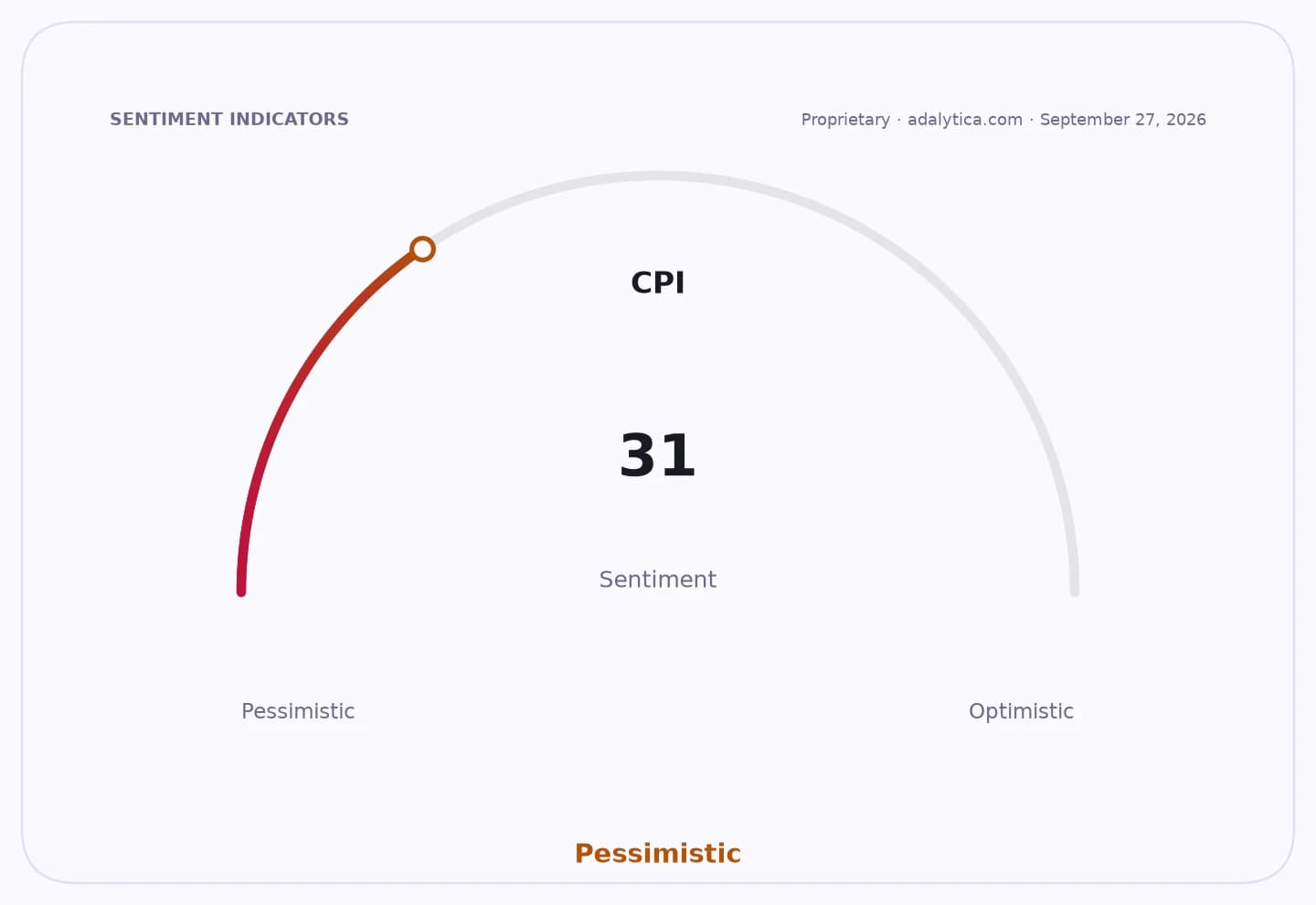
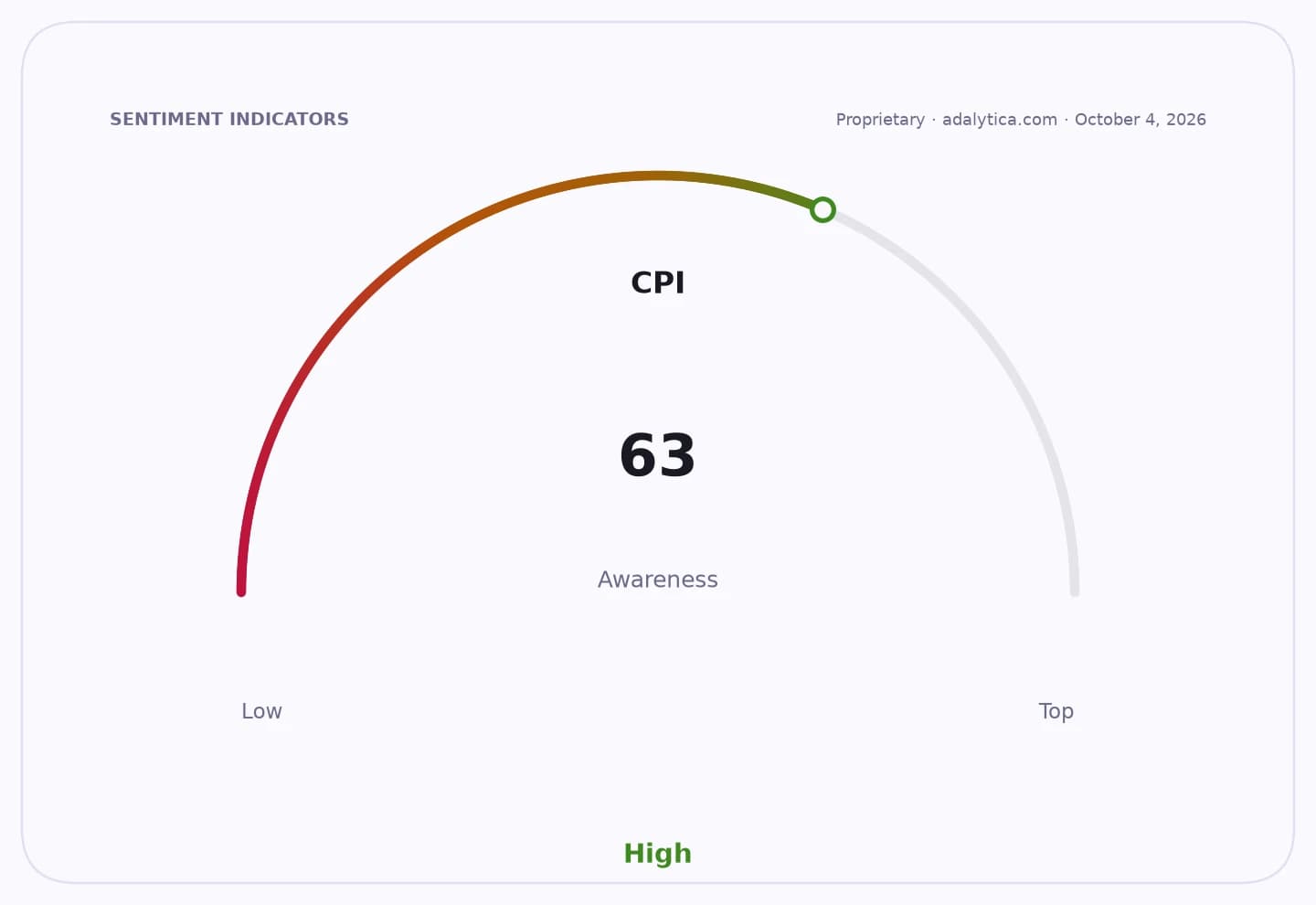
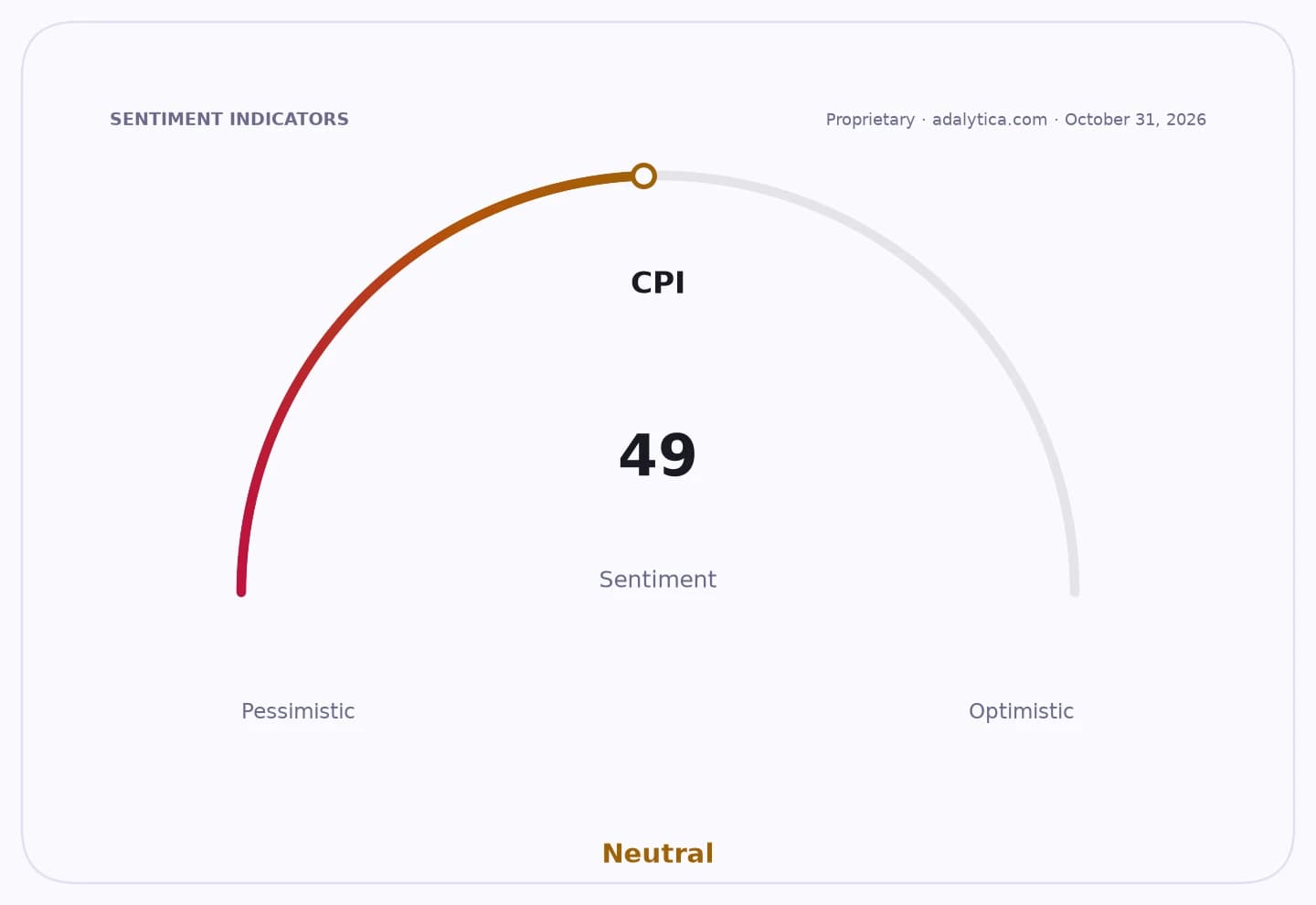
Sentiment Indicators
2% Target Confidence
For investors, the message is straightforward: fiscal stimulus can keep growth alive, but it also keeps prices sticky. When governments spend aggressively, demand rises before supply fully catches up, and that can make life harder for central bankers trying to anchor inflation expectations. In other words, the budget is supportive for activity, but it is not free. It may delay the return to lower inflation and leave rates higher for longer than borrowers would like.
Still, the National Bank is not describing this as a policy mistake. Suleimenov argued the spending is needed to expand the economy’s productive potential, especially in construction, manufacturing and agriculture. That is the key investment story here. If the money is used well, it can raise the supply of goods and services over time, which is the cleanest way to offset inflationary pressure from public spending.
CPI
The real question, as always, is execution. A larger budget can either be an engine for durable growth or a short-term boost that feeds into prices. Suleimenov said the burden now falls on the government to spend efficiently, while the central bank is trying to help through digital tenge and smart-contract tools. That suggests policymakers understand the risk: liquidity alone does not build competitiveness. Productive investment does.
For long-term investors, this is a reminder that Kazakhstan’s macro backdrop is still a balancing act. More fiscal spending should help domestic activity and support sectors tied to infrastructure and capital formation. But if inflation stays elevated, it can limit the central bank’s room to ease, which is usually the bigger issue for valuations, credit conditions and consumer demand.
The takeaway is not to fear the budget, but to watch how it is deployed. If Kazakhstan channels this spending into higher capacity and better efficiency, the economy could emerge stronger. If not, inflation may remain the price of growth. Either way, this is the sort of policy mix investors should keep on the watchlist for years, not weeks.
| Entity | Gains | Losses |
|---|---|---|
| Government | ▲Faster growth support | ▼Higher inflation risk |
| National Bank | ▲Clearer policy stance | ▼Less room to cut rates |
| Domestic businesses | ▲More public demand | ▼Cost pressures |
| Savers and borrowers | ▲— | ▼Sticky prices and financing costs |