Kazakhstan says it has returned 1.3 trillion tenge in assets to the state, and the money is already being funneled into roads, hospitals, airports and other public works in a push that matters for both the budget and investor confidence.
Kazakhstan Recovers 1.3 Trillion Tenge for Public Works
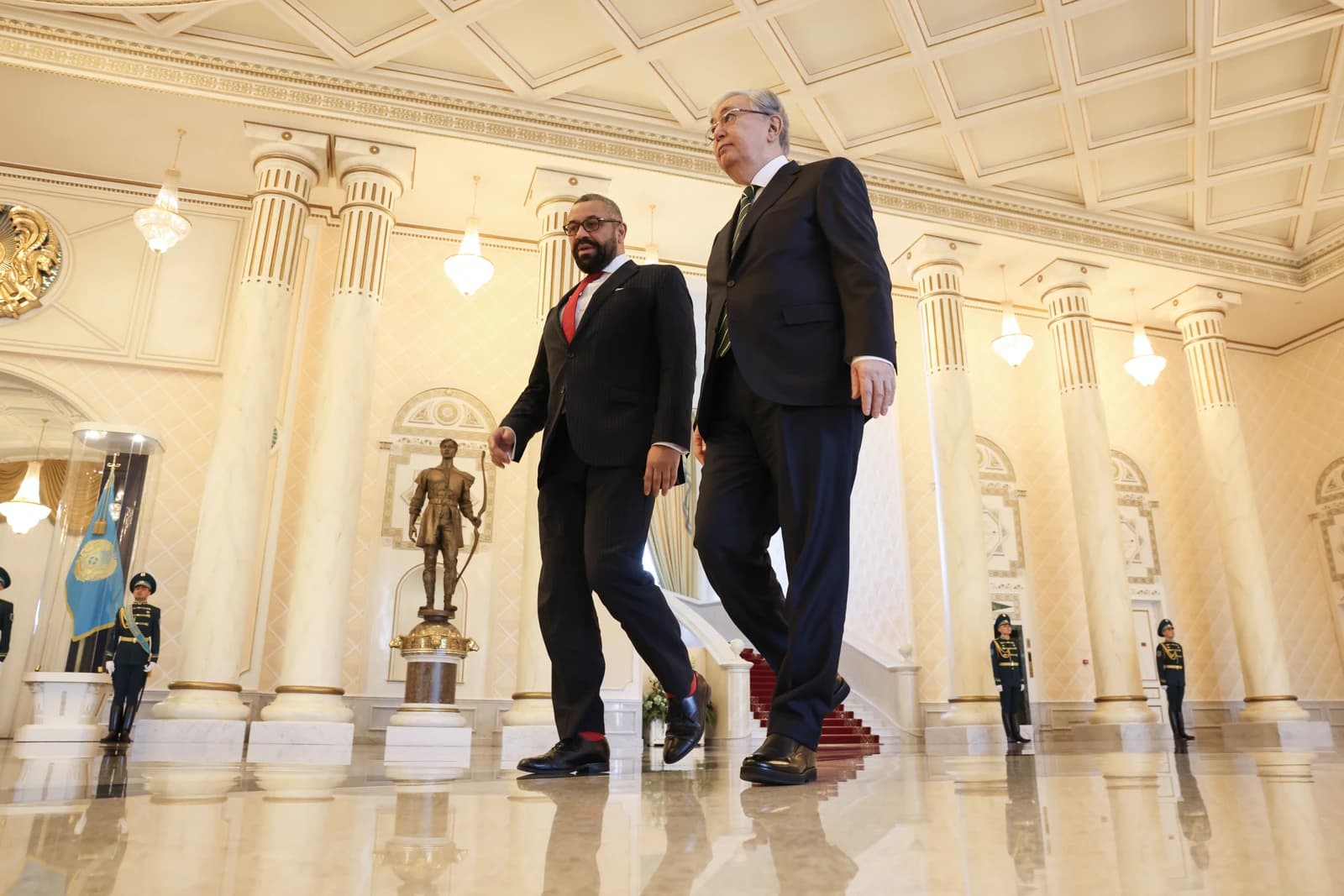
For investors, the significance is bigger than the headline sum. Asset recovery only becomes economically meaningful when it is converted into visible capital spending and stronger state institutions, and that is what President Kassym-Jomart Tokayev is trying to showcase: a tougher legal system that recovers money, protects investors and reduces the drag from corruption and leakages in public finance.
According to the prosecutor general’s office, the recovered assets have helped finance 466 social infrastructure projects, with 378 already completed. That includes major medical facilities in six regions, the reopening of the K. Munaitpasov football stadium in Astana, and completed upgrades at the Balkhash, Pavlodar and Arkalyk airports. Those are the kinds of projects that can improve local connectivity, public health and regional mobility while also giving Kazakhstan’s investment story more credibility.
The numbers also point to a broader governance campaign. Prosecutors said they blocked 535 billion tenge in violations involving state funds and returned 66.4 billion tenge to the budget. They also reported support for 2,886 investors so far this year and oversight of 3,500 investment projects, suggesting the government wants the prosecutorial system to function not only as an enforcement arm, but as a tool for keeping projects moving and disputes contained.
That matters economically because countries that recover public assets and tighten control over spending often improve the efficiency of every tenge of fiscal outlay. In a resource-rich economy like Kazakhstan, where state-led investment remains important, reducing leakage can support growth without forcing the government to rely as heavily on new borrowing or commodity windfalls. It can also help reassure foreign investors that disputes will be managed through formal channels rather than arbitrary pressure.
The other side of the story is that this is still a work in progress. The government has made clear that it wants to embed “law and order” more deeply, including through digital oversight and artificial intelligence in supervision. That suggests the state sees asset recovery, procurement control and investor protection as linked priorities, not isolated reforms.
For long-term investors, the key question is whether these efforts become durable institutions or remain mostly a political campaign. If Kazakhstan can keep converting recovered assets into productive infrastructure while protecting investors and improving transparency, that strengthens the case for the country as a more reliable emerging-market destination. For now, the message is clear: the state is trying to turn reclaimed money into hard assets, and that is worth watching closely.
| Entity | Gains | Losses |
|---|---|---|
| Kazakh state budget | ▲More funding for projects | ▼Less leakage from violations |
| Local communities | ▲New hospitals, airports, infrastructure | ▼Delays if execution slips |
| Investors in Kazakhstan | ▲Stronger protection, clearer oversight | ▼Greater regulatory scrutiny |
| Corrupt actors / violators | ▲Stricter enforcement | ▼Asset recovery and prosecution |