President Vladimir Putin has ordered the central bank and government to work up a framework for so-called “long money,” a move aimed at channelling more private capital into Russian companies and giving the country a more durable source of investment than short-term bank lending.
Putin Orders Plan for Russian Long-Money Funds
The proposal matters because Russia’s growth model is under pressure from higher financing costs, sanctions, tighter external funding channels and the need to fund longer-payback projects such as manufacturing, infrastructure and corporate expansion. A functioning long-duration capital market would help firms finance growth, improve transparency and, over time, support a broader equity market rather than forcing companies to rely mainly on banks and state support.
At the Business Russia congress, the idea was pitched by HeadHunter executive Maria Komarova, who outlined a structure in which funds could invest in early-stage companies, help them improve reporting and prepare them for listings. Putin backed the concept in principle, but said it would require a formal legal framework. Central bank chief Elvira Nabiullina said the regulator was prepared to work on the necessary changes and suggested the funds could be structured as exchange-traded products to give investors an exit route before maturity.
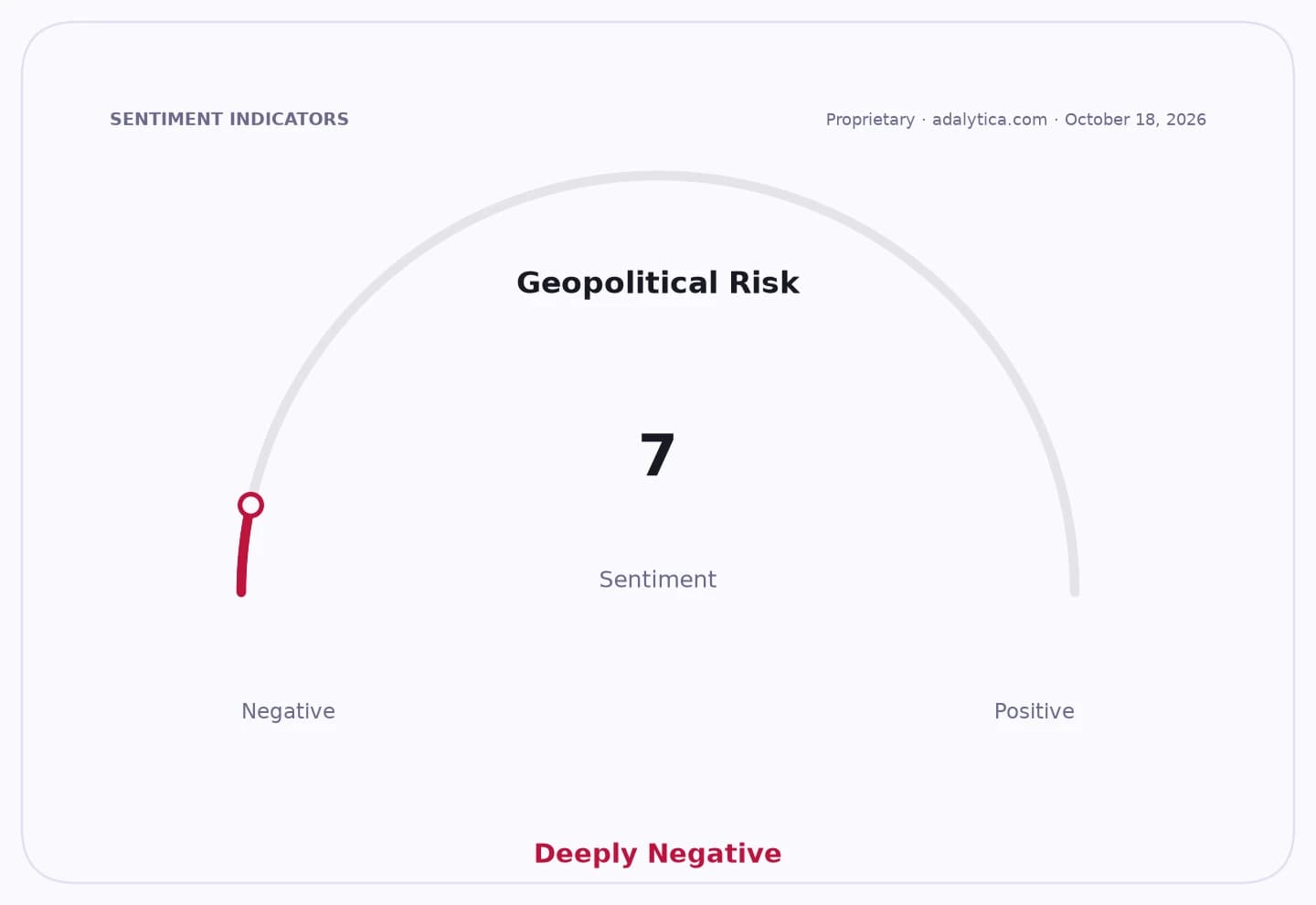
That exit mechanism is central to whether the plan can attract serious capital. Russian households and institutions have been cautious about locking up money in illiquid vehicles, especially in an environment where geopolitical risk remains elevated and domestic asset markets have been distorted by capital controls, sanctions and bouts of inflation. Making the funds tradable could broaden participation and help them resemble a market product rather than a closed private placement.
The policy push also reflects the Kremlin’s need to revive investment without relying solely on fiscal spending. First Deputy Prime Minister Alexander Novak said long-term capital depends on macroeconomic stability, low inflation and a sustainable budget — a tacit recognition that investors will not commit money for years unless policy credibility improves. That makes the initiative less about one financial product than about whether Russia can build a deeper domestic capital pool that companies can tap through cycles.
For investors, the key question is whether this becomes a real capital-market reform or another state-backed slogan. A credible framework could benefit domestic issuers, asset managers and exchanges if it brings pension money and private savings into productive investment. But the bear case is that without stronger legal protection, a more stable macro backdrop and genuine liquidity, the funds may struggle to gain trust and remain a narrow policy experiment.
The immediate significance is therefore less about a single investment vehicle than about Russia’s attempt to create a homegrown financing channel for growth at a time when access to external capital is constrained. If the government and central bank can turn the idea into a usable structure, it could mark a modest but important step toward a more market-based funding system.
| Entity | Gains | Losses |
|---|---|---|
| Russian companies | ▲Longer-term funding access | ▼Reliance on short-term bank credit |
| Domestic investors | ▲New listed investment product | ▼Illiquid, higher-risk exposure |
| Government/Central Bank | ▲Broader investment channel | ▼Policy credibility if rules stall |
| Traditional deposit banks | ▲Less direct pressure on lending book | ▼Market share in corporate finance |