Russia is expanding its use of temporary state management over foreign-owned assets, a move that deepens the legal and political risk for European companies still exposed to the country and underscores how the war in Ukraine is spilling into corporate balance sheets and investment decisions.
Russia Targets Foreign-Owned Assets With State Control
The latest decree covers assets linked to France’s Tarkett, Germany’s Menshen, Sweden’s Sverige International Holdings and Denmark’s Sonoco, adding to a growing list of Western groups caught in Moscow’s retaliatory campaign. In September, Russia already placed the Russian assets of Nestle, Auchan and Metro under temporary state control, framing the measure as a response to European Union support for Ukraine.
For investors, the significance is not just that more companies are being targeted, but that Russia is normalizing a policy tool that can freeze, transfer or eventually strip control from foreign owners with limited warning. That raises the discount rate on any remaining Russia exposure, especially for consumer and industrial groups whose assets are embedded in local supply chains and harder to unwind quickly.
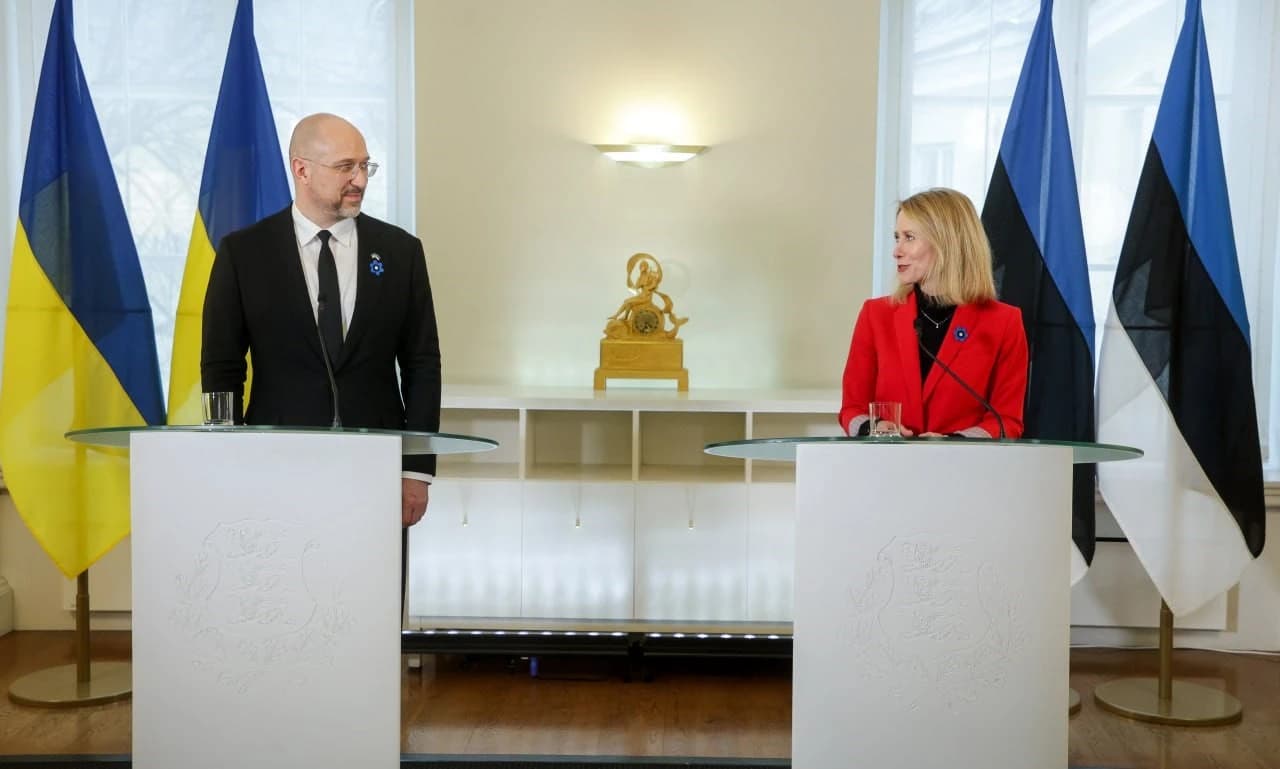
The timing matters too. The decree was signed on the same day EU leaders opened a two-day summit in Brussels with Ukrainian President Volodymyr Zelenskiy, where military and energy support for Kyiv is on the agenda. Moscow’s latest action looks designed to reinforce the message that Western sanctions and aid will carry corporate consequences, even as Russian officials insist such decisions can be reversed.
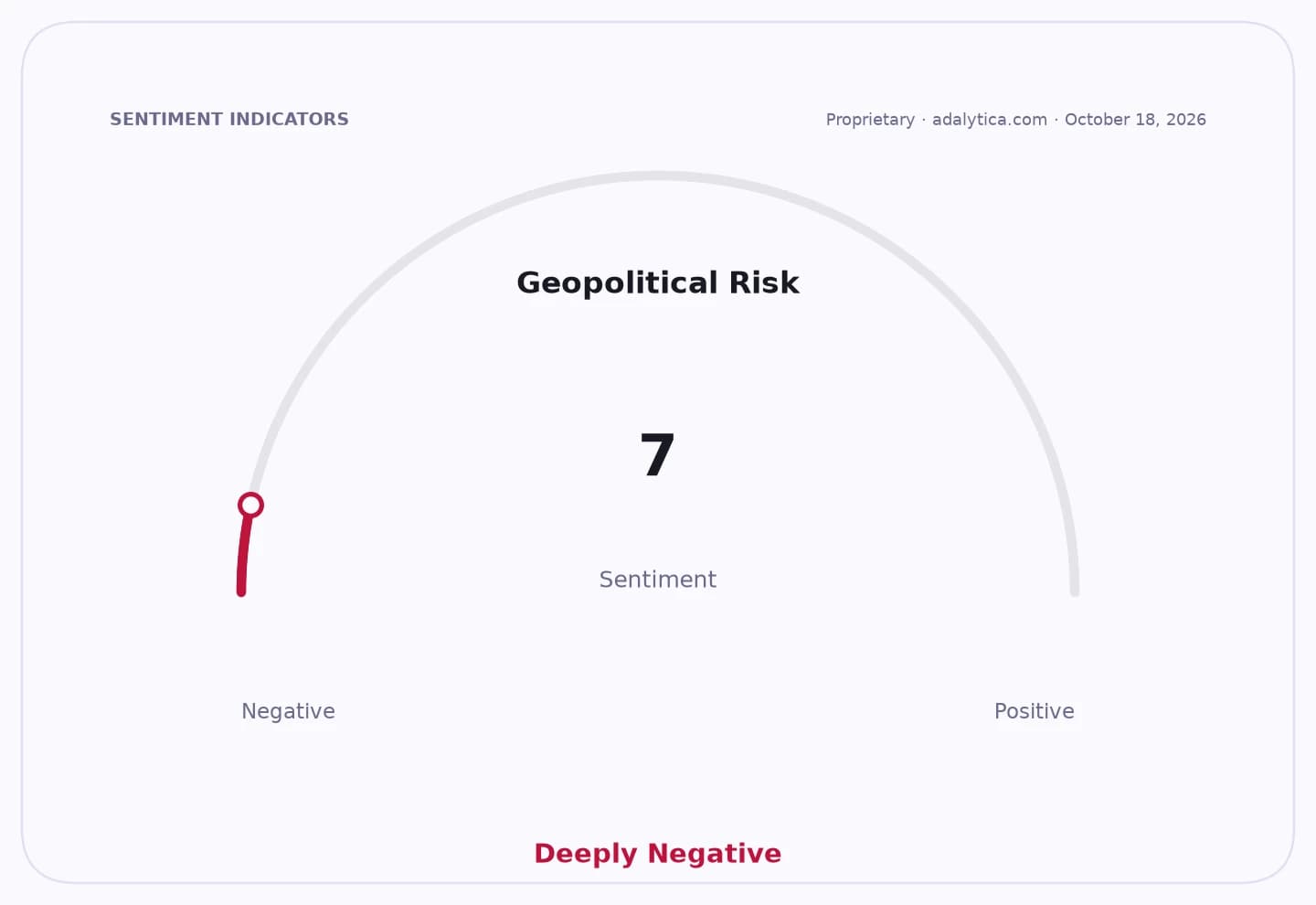
Geopolitical Risk — 30-day sentimentadalytica.com
Explore this data interactively — full history, time series and cross-market comparisons.Open AlphaPulse
The sequence also points to a broader shift in how Moscow is handling foreign assets. In July 2023, Danone’s Russian business was placed under temporary state management before later being sold to a local investor after Putin revoked the decree in March 2024. That precedent shows the state apparatus can be a stepping stone to a forced or politically directed exit, not just a symbolic sanction.
Economically, the policy further isolates Russia from multinational capital and technology, but the immediate impact falls on foreign shareholders and lenders already facing impaired optionality. Companies with consumer-facing businesses in Russia may still generate local revenue, yet that cash flow becomes less reliable if assets can be reclassified or transferred. The longer this pattern continues, the more likely boards will accelerate write-downs, divestment planning and capital allocation away from Russia.
The bear case for remaining investors is straightforward: state management increases expropriation risk, weakens recoverability and makes any eventual exit more dependent on political bargaining than market value. The bull case is narrower and mostly tactical — that Moscow’s use of “temporary” control still leaves room for negotiated outcomes, as in Danone’s case. But each new decree makes that path less credible.
For Europe, the message is that sanctions and countermeasures are moving from the macro level into individual corporate assets. For markets, it adds another layer of geopolitical risk premia at a time when investor appetite for cross-border exposure is already fragile.
| Entity | Gains | Losses |
|---|---|---|
| Russian state | ▲More control over assets | ▼Foreign investment credibility |
| Targeted foreign firms | ▲Limited chance of reversal | ▼Ownership rights, valuation |
| European Union | ▲Stronger political resolve narrative | ▼Corporate exposure, investor confidence |
| Existing Russia investors | ▲Potential bargaining leverage | ▼Expropriation risk |