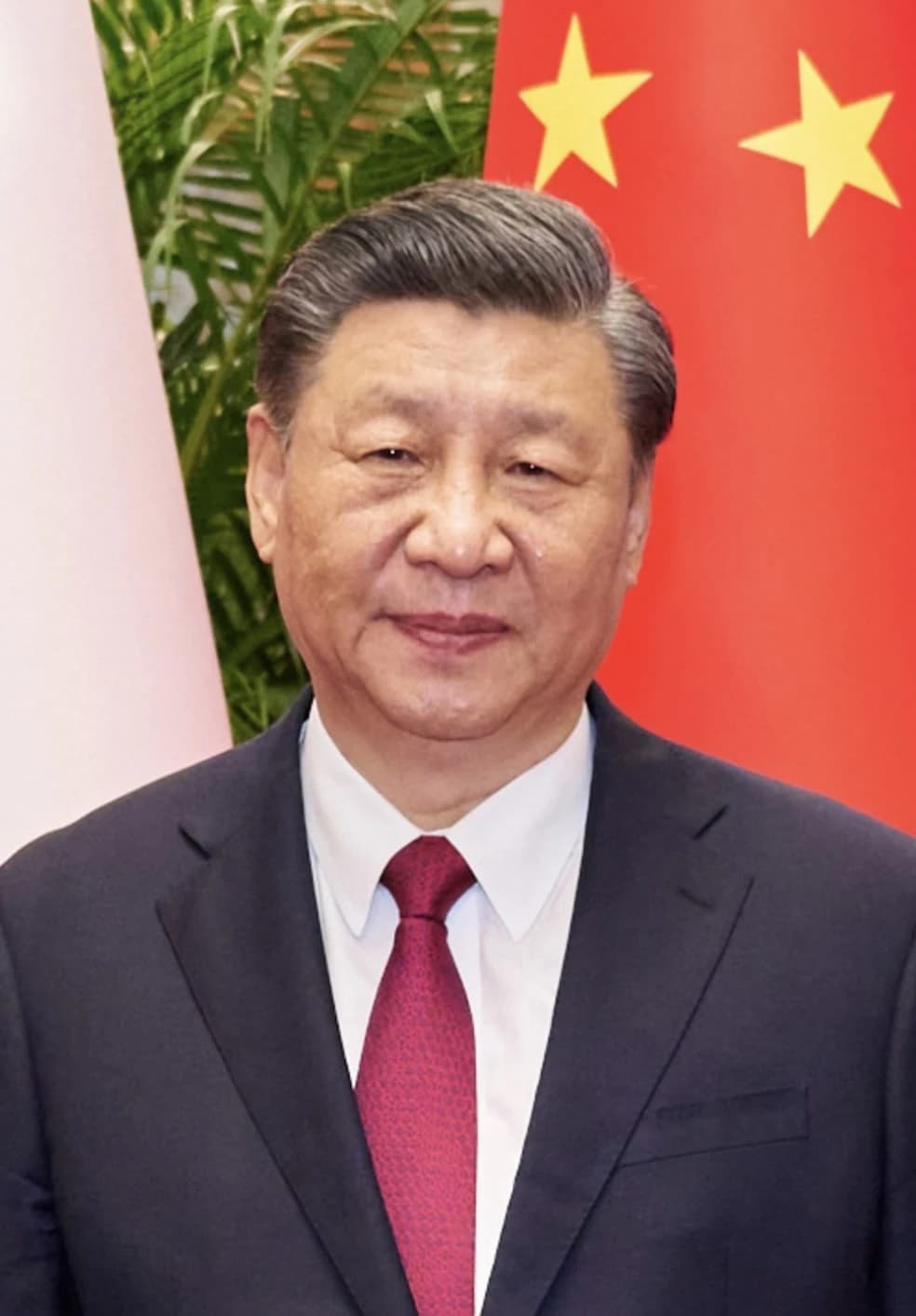
Xi Jinping is using a quiet feud inside China’s political elite to justify a new push for tighter governance, a move that matters because it will shape how Beijing manages growth, capital allocation and military control at a time when the economy is already under strain.
China ETFs FXI MCHI Stay Below 200-Day Averages
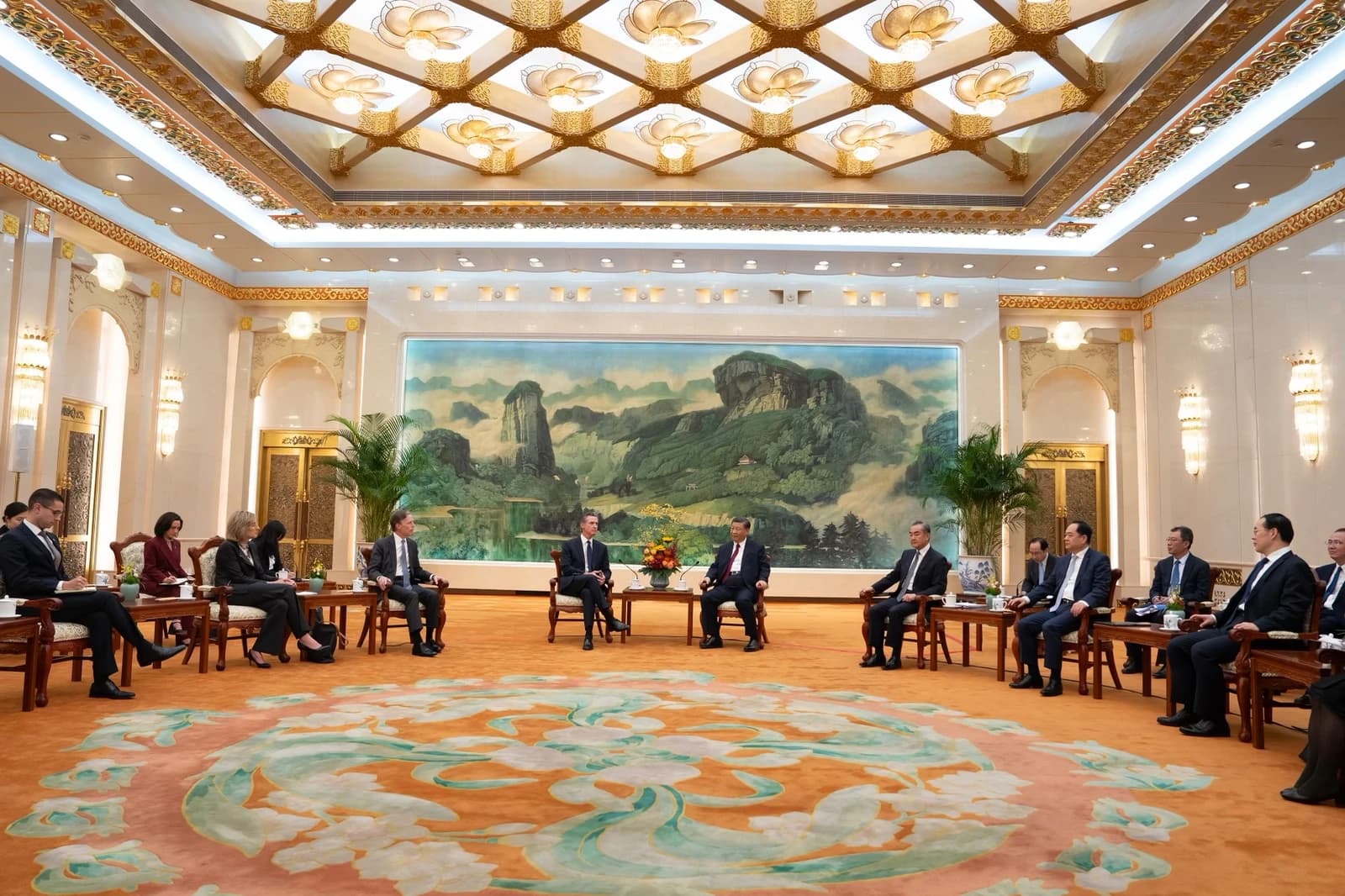
The immediate issue is not just factional tension. It is that Xi appears determined to treat internal disorder as a threat to Party rule itself, and that gives him political cover to deepen oversight of the state, the bureaucracy and the People’s Liberation Army. For investors, that usually means less policy flexibility, more discipline over local governments and state firms, and a higher chance that strategic sectors — from defense to infrastructure to tech — remain directed by politics rather than returns.
Sentiment Indicators
That matters economically because China’s next phase of growth is unlikely to come from broad-based stimulus alone. It will come from state-led capital deployment, selective industrial policy and tighter control over execution. When the leadership believes governance has slipped, it tends to respond with centralization, inspections and anti-corruption campaigns rather than market liberalization. That can improve policy transmission in the short term, but it also raises execution risk and can freeze decision-making in the private sector.
The market is already pricing China cautiously. The iShares MSCI China ETF, FXI, ended at $34.95 on Nov. 6, still below its 200-day moving average of $35.40, while the MSCI China ETF, MCHI, closed at $51.89, also under its 200-day average of $55.25. Both funds have recovered from earlier weakness, but the technical picture remains fragile, with FXI only just above its 50-day average and MCHI still struggling to regain lost ground. That is consistent with an investor base that wants exposure to China’s policy machine, but remains wary of governance shocks.
The bigger narrative is that Xi’s political campaign is not separate from economics — it is the mechanism through which Beijing is trying to preserve control over a slower, more complicated economy. A governance drive can boost near-term discipline in ministries, local governments and the military, but it also tends to reinforce the state’s grip on credit, regulation and corporate behavior. For equity investors, that favors companies tied to government priorities and companies with pricing power or offshore revenue, while punishing sectors that depend on policy predictability and domestic animal spirits.
The implications are especially important for defense, surveillance, infrastructure and heavy industry, where state spending can rise even as private-sector confidence remains muted. It also argues for caution on broad China beta, because centralization may support selected champions without restoring the wider market’s lost dynamism. If the leadership sees military governance as a vulnerability, expect more political spending, more oversight and more pressure on institutions that fail to stay in line.
The trade backdrop only sharpens the point. Washington is demanding that Beijing comply with existing trade commitments, while bilateral friction remains elevated. That means China’s internal governance push is unfolding just as external pressure on supply chains, market access and technology transfer stays intense. In that environment, the winners are the firms and funds aligned with state priorities, while the losers are companies exposed to regulatory uncertainty and policy disappointment.
Investors should treat this as a regime story, not a headline story. The opportunity is not in chasing every bounce in China equities, but in positioning for a government that is likely to respond to weakness with control, not liberalization. That favors selective exposure to state-linked sectors and a disciplined approach to broad mainland and offshore China funds until the leadership proves it can translate tighter governance into durable growth.
| Entity | Gains | Losses |
|---|---|---|
| Xi Jinping / CCP center | ▲More control | ▼Policy flexibility |
| State-linked defense and infrastructure firms | ▲Budget support | ▼Private-sector peers |
| FXI and MCHI selective buyers | ▲Tactical rebound potential | ▼Broad China beta |
| Private firms / local governments | ▲— | ▼Greater oversight and uncertainty |