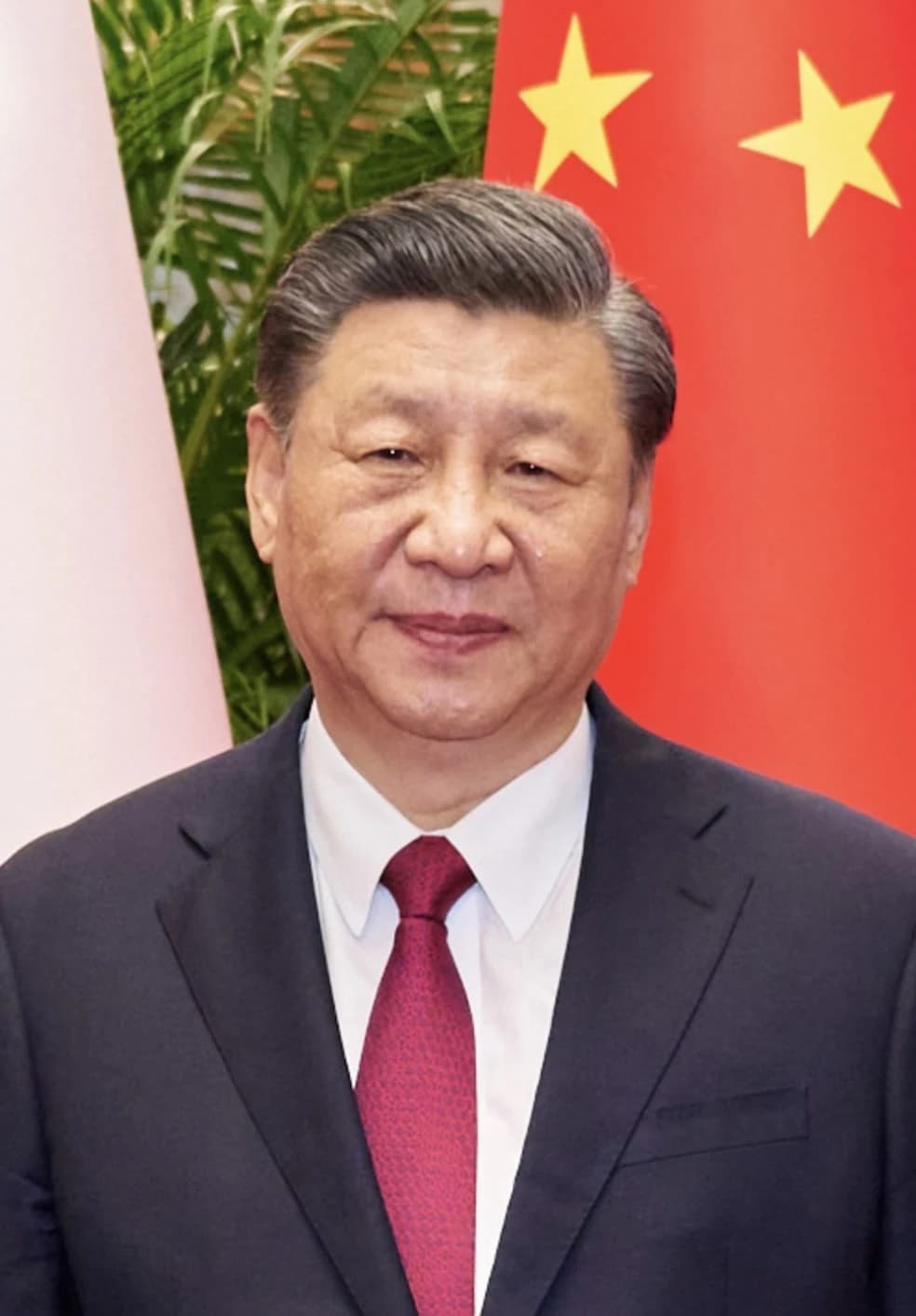
China’s sweeping purge of senior military officials is doing more than removing corruption-tainted generals: it is stripping the People’s Liberation Army of experienced command talent just as Xi Jinping prepares for a crucial political transition next year.
China PLA purge raises leadership and crisis risks
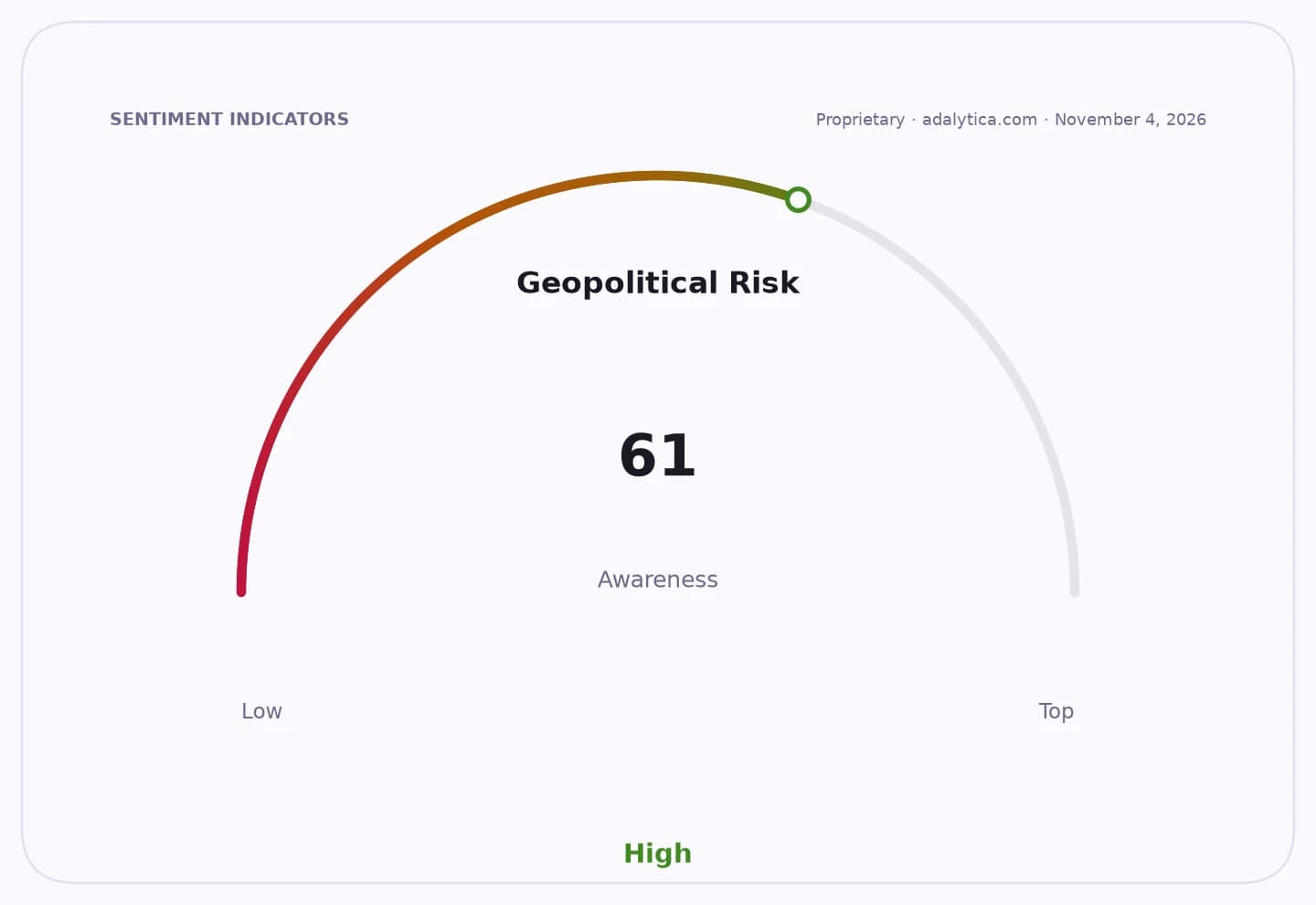
Geopolitical Risk
The scale is unprecedented. Beijing has expelled 33 senior officials in the latest wave, taking the total number of removed Central Committee members to 51, while 16 of those ousted were tied directly to the military. The result is a Central Military Commission that is far smaller, more politically obedient and far less experienced than before, with the top body now dominated by Xi and his anti-corruption enforcer rather than a balanced operational command.
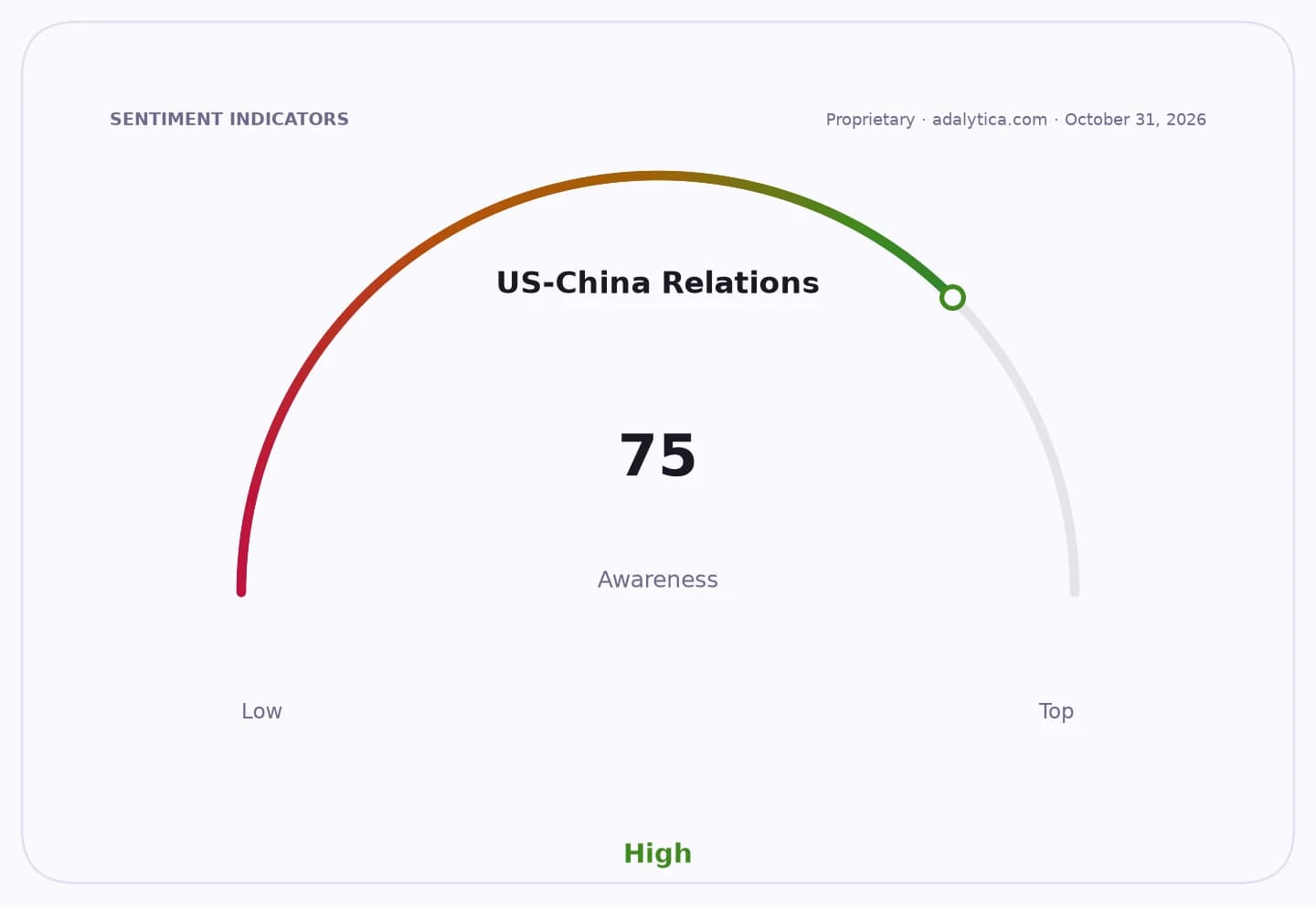
Sentiment Indicators
That matters economically and strategically because the PLA is not just a military institution. It is a core pillar of state power, nuclear stewardship and crisis management in the western Pacific. A command structure built around loyalty rather than battlefield experience could make China’s armed forces slower to respond in a crisis, less predictable in escalation control and more vulnerable to operational mistakes. For investors, that raises the risk premium around Asia security, cross-strait tensions and the broader US-China relationship.
The purge has been especially severe in the Rocket Force, which oversees China’s nuclear arsenal, and across theater commands that would be central in any Taiwan or regional contingency. Analysts warn the loss of senior officers with real operational experience could interrupt modernization and complicate the integration of advanced weapons systems. The leadership vacuum also suggests the military has become an instrument of political consolidation ahead of a party congress that is expected to hand Xi a fourth term.
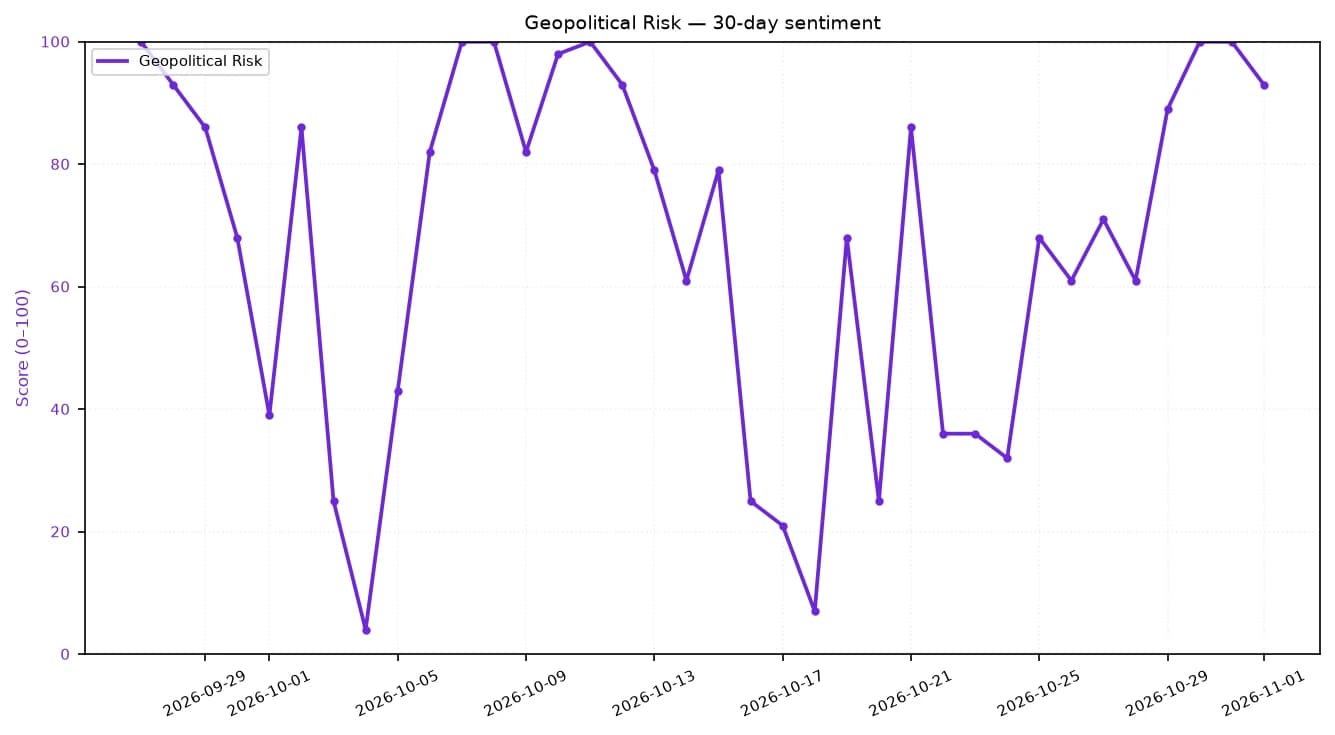
Geopolitical Risk — 30-day sentimentadalytica.com
Explore this data interactively — full history, time series and cross-market comparisons.
For markets, the implications are indirect but important. A more politicized and less predictable PLA raises the odds of miscalculation in the Taiwan Strait and the South China Sea, reinforcing demand for defense exposure and supporting names tied to missile defense, surveillance and deterrence spending. It also keeps pressure on global stability sentiment, which has deteriorated over recent days even as investors have remained broadly complacent about geopolitical risk.
The bull case for Beijing is that harsher discipline will reduce graft in procurement and tighten control over a force that has long been vulnerable to patronage. The bear case is that purging too deeply erodes institutional competence and leaves China with a military that is more ideologically reliable but less capable in combat.
For now, the dominant narrative is clear: Xi is trading expertise for control, and the costs may be felt most sharply not inside the party, but in any future crisis where speed, trust and professional judgment matter more than political loyalty.
| Entity | Gains | Losses |
|---|---|---|
| Xi Jinping / CCP leadership | ▲Tighter control | ▼Institutional independence |
| PLA disciplinary apparatus | ▲Greater authority | ▼Operational expertise |
| US defense contractors | ▲Higher demand for deterrence spending | ▼Lower urgency in de-escalation |
| Regional stability | ▲None | ▼Higher miscalculation risk |