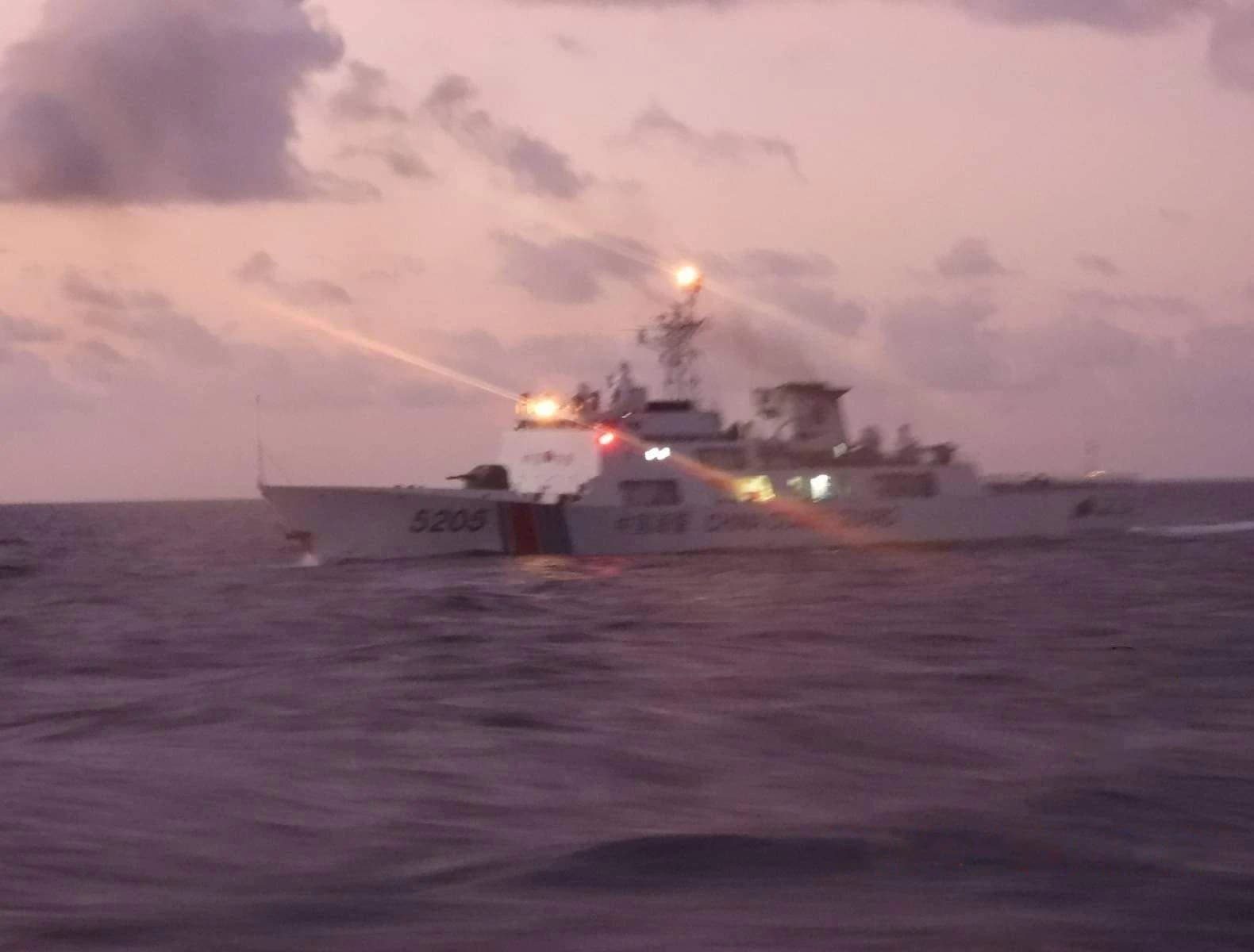
China is stepping up military pressure on Taiwan with a fresh display of carrier and amphibious warfare drills, while its military newspaper says troops must be ready to “fight and win” at any time in response to Taiwan independence moves.
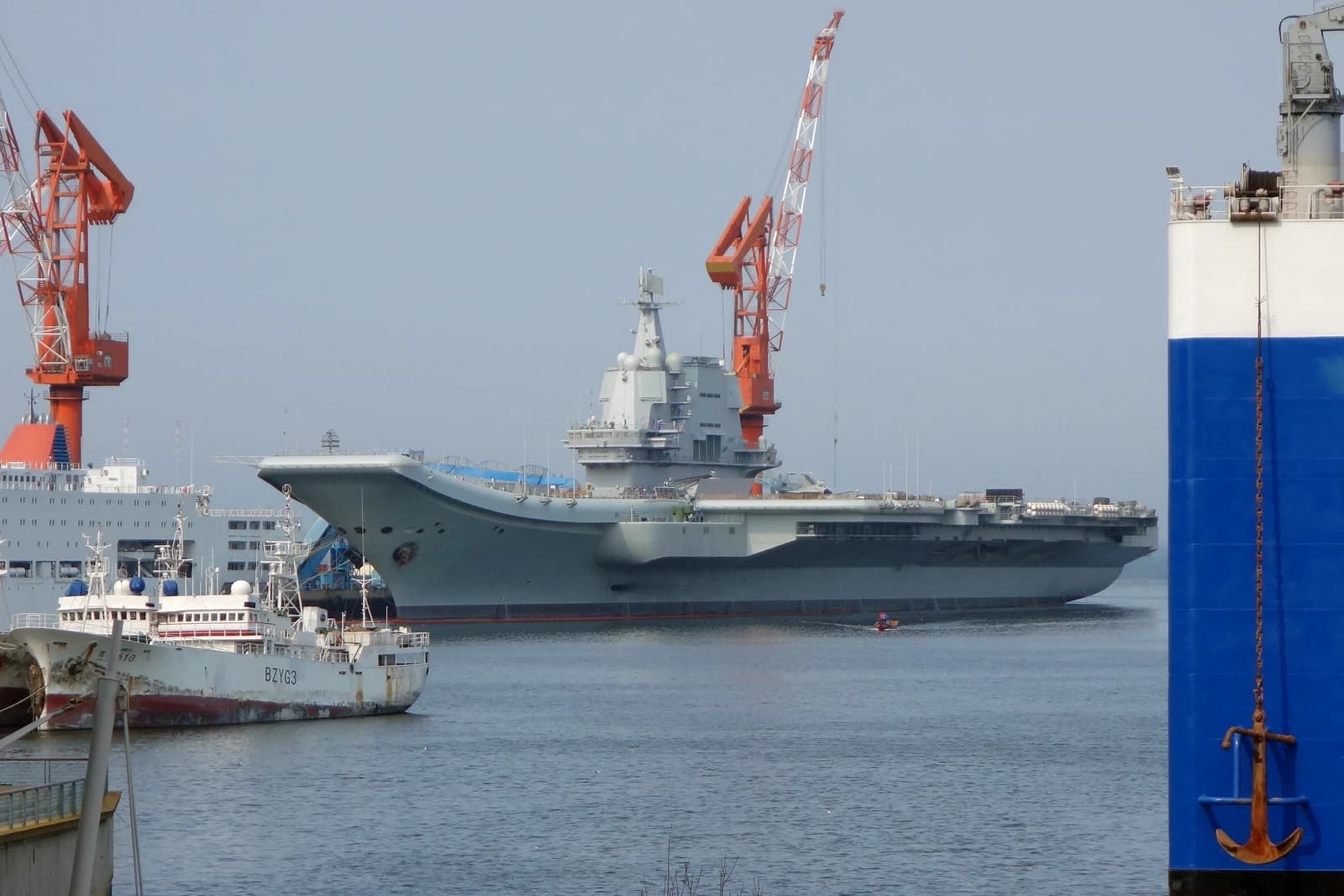
China drills with Liaoning near Taiwan
The messaging matters because it combines hardware, doctrine and political signaling. By publicizing a new training structure for the Liaoning carrier strike group in the western Pacific, Beijing is showing how quickly it is knitting together carrier operations, destroyers, surveillance drones and amphibious assault forces into a more integrated force designed for long-range power projection.
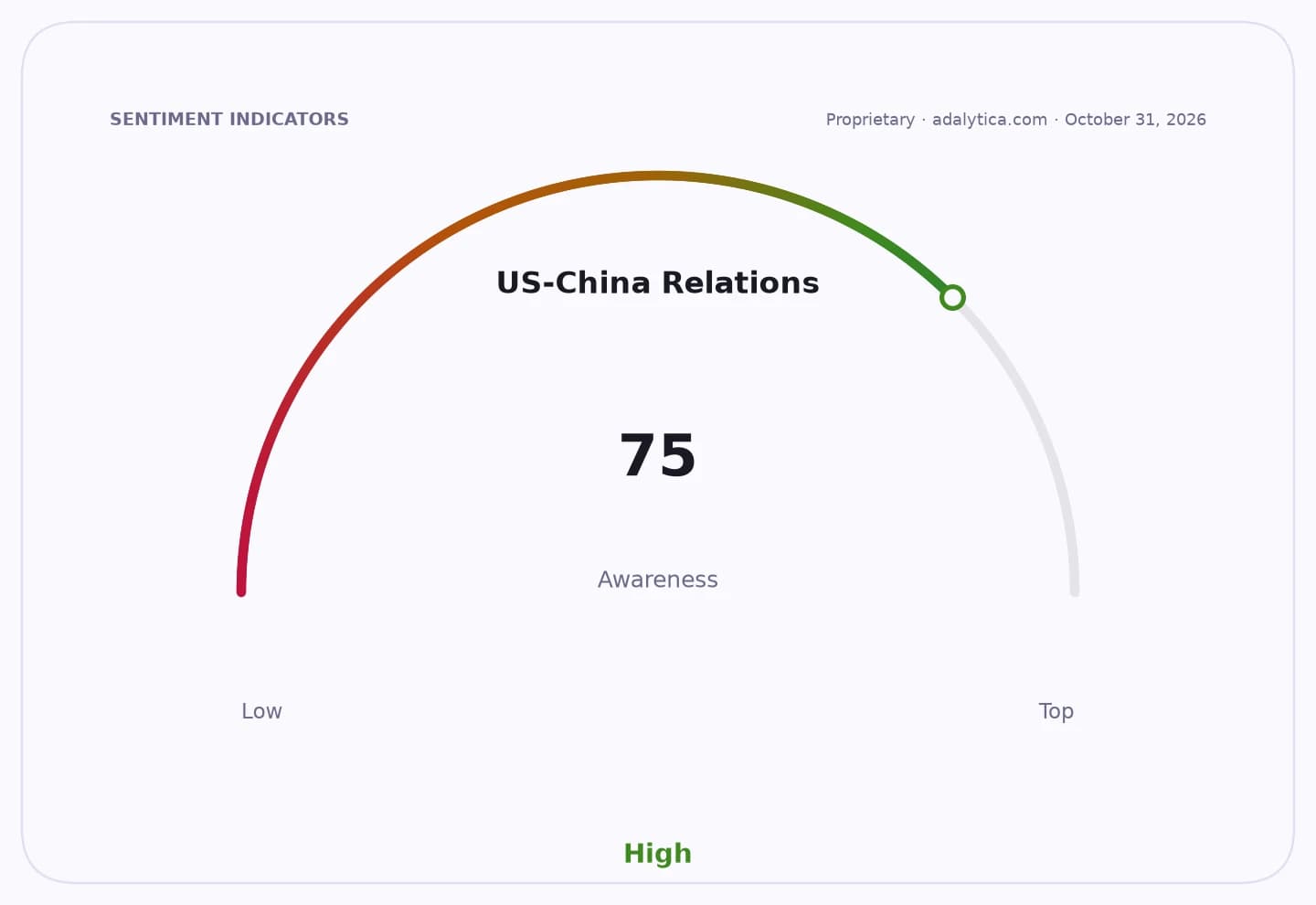
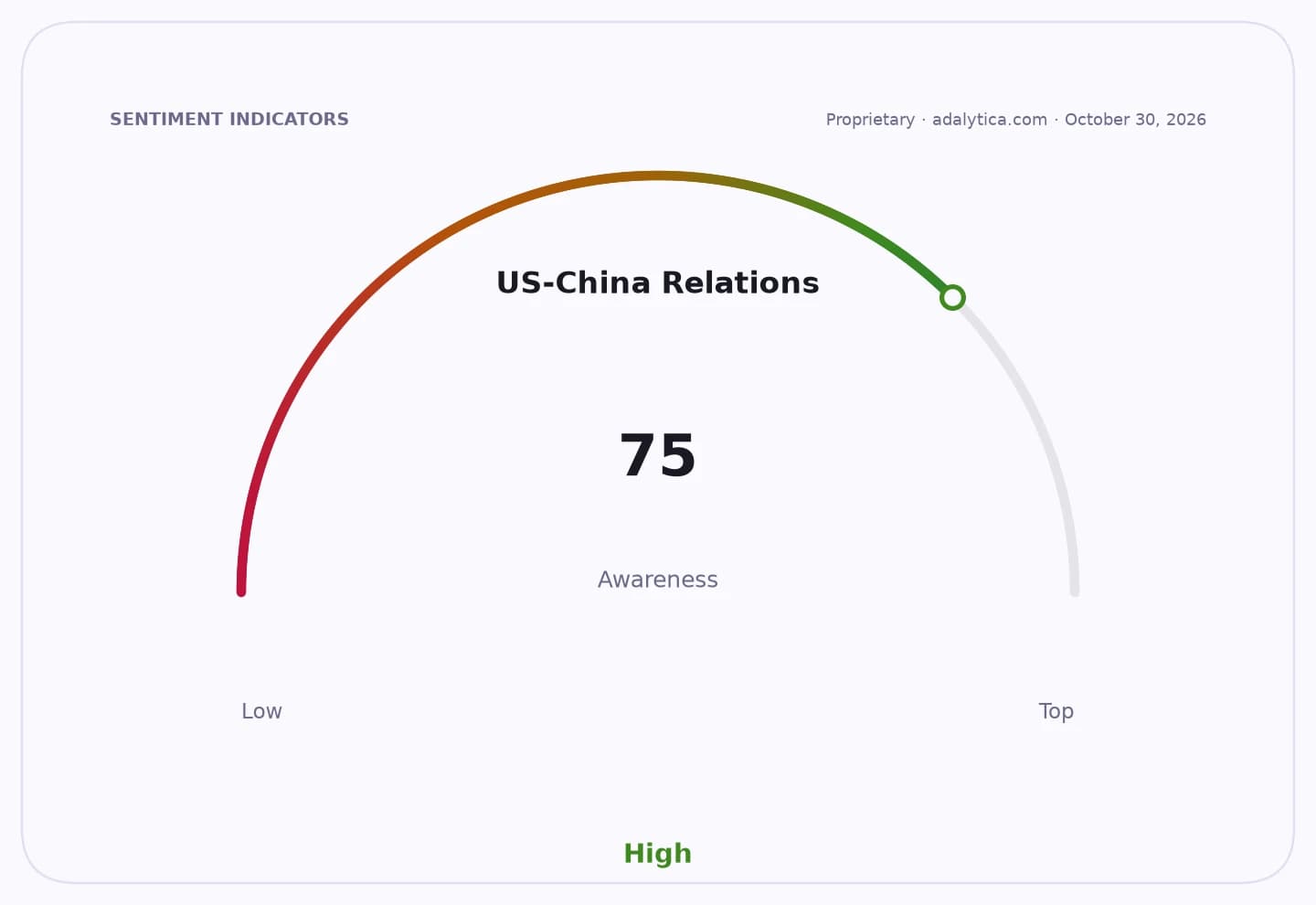
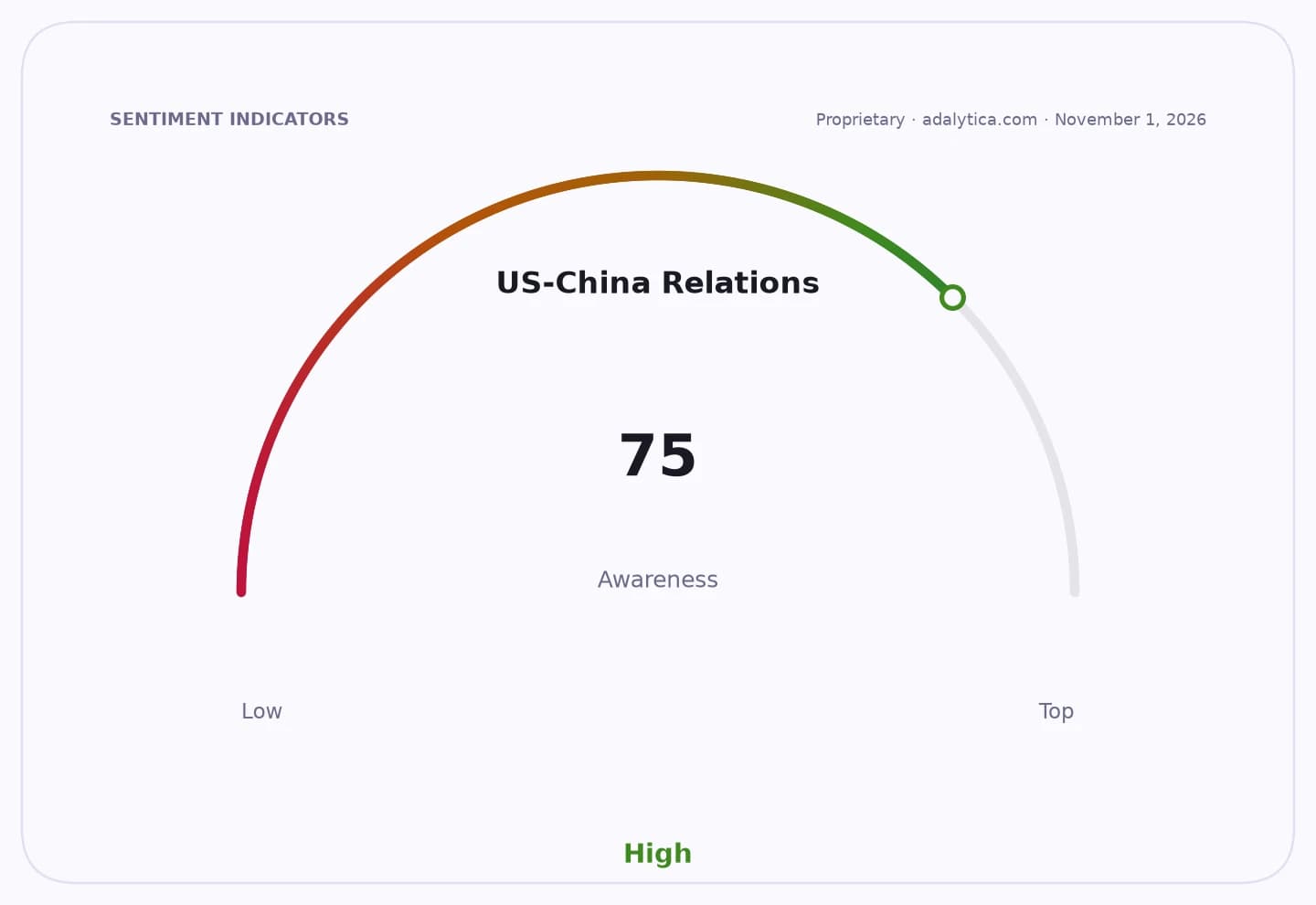
Sentiment Indicators
State broadcaster CCTV said the Liaoning operated with two 10,000-ton Type 055 destroyers and one Type 052D destroyer during the drills, while high-altitude reconnaissance drone Wuzhen-7 and electronic reconnaissance aircraft Yun-9 also took part. CCTV also said the carrier had previously exercised with the amphibious assault ship Anhui, underlining China’s push to pair sea control with landing capabilities.
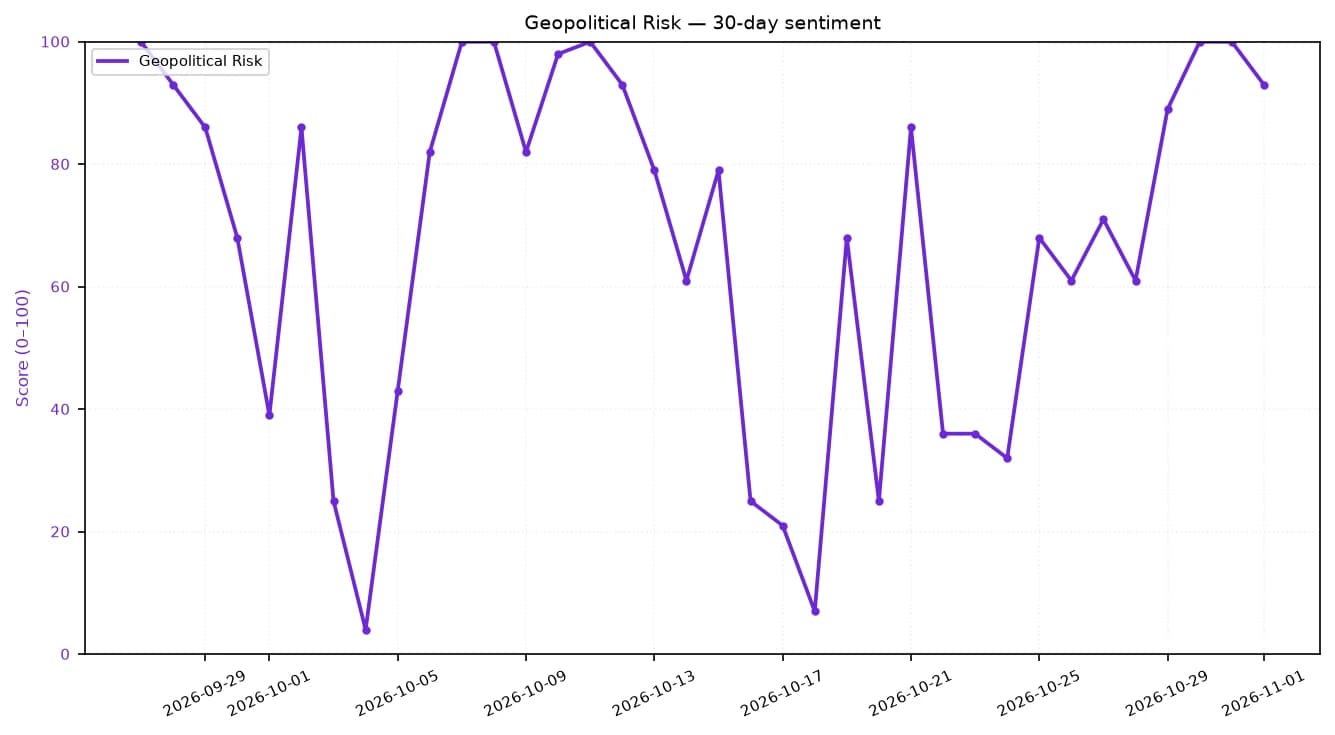
For investors, the significance is less about any immediate market move than the geopolitical risk premium around Taiwan, the South China Sea and U.S.-China relations. Escalating military rhetoric and visible force modernization can inject volatility into regional defense names, shipping routes, semiconductors and broader Asia risk assets, especially when rhetoric points to readiness for conflict rather than deterrence.
The timing is notable. The drills follow a period of heightened friction over Taiwan, including Chinese messaging around “Taiwan’s liberation” and support for pro-unification forces, while Beijing also reiterated opposition to “external interference.” The move comes as President Xi Jinping presses the People’s Liberation Army to meet modernization goals by next year, even as U.S. intelligence assesses that China wants the capability to seize Taiwan by force by 2027.
The immediate market impact is likely to be felt in sentiment rather than earnings, but the strategic backdrop matters for anyone exposed to Taiwan-linked supply chains or the broader Asia-Pacific security cycle. With Taipei still dealing with storm damage from Typhoon Champi and Beijing ramping up military signaling, investors will watch for any further exercises, official statements or U.S. responses that could push regional risk pricing higher.
| Entity | Gains | Losses |
|---|---|---|
| China’s military | ▲Deterrence, operational readiness | ▼International scrutiny |
| Taiwan government | ▲Stronger case for security support | ▼Higher defense pressure |
| U.S.-China relations hawks | ▲Validation of hardline stance | ▼Chances of de-escalation |
| Regional risk assets | ▲None | ▼Higher geopolitical premium |