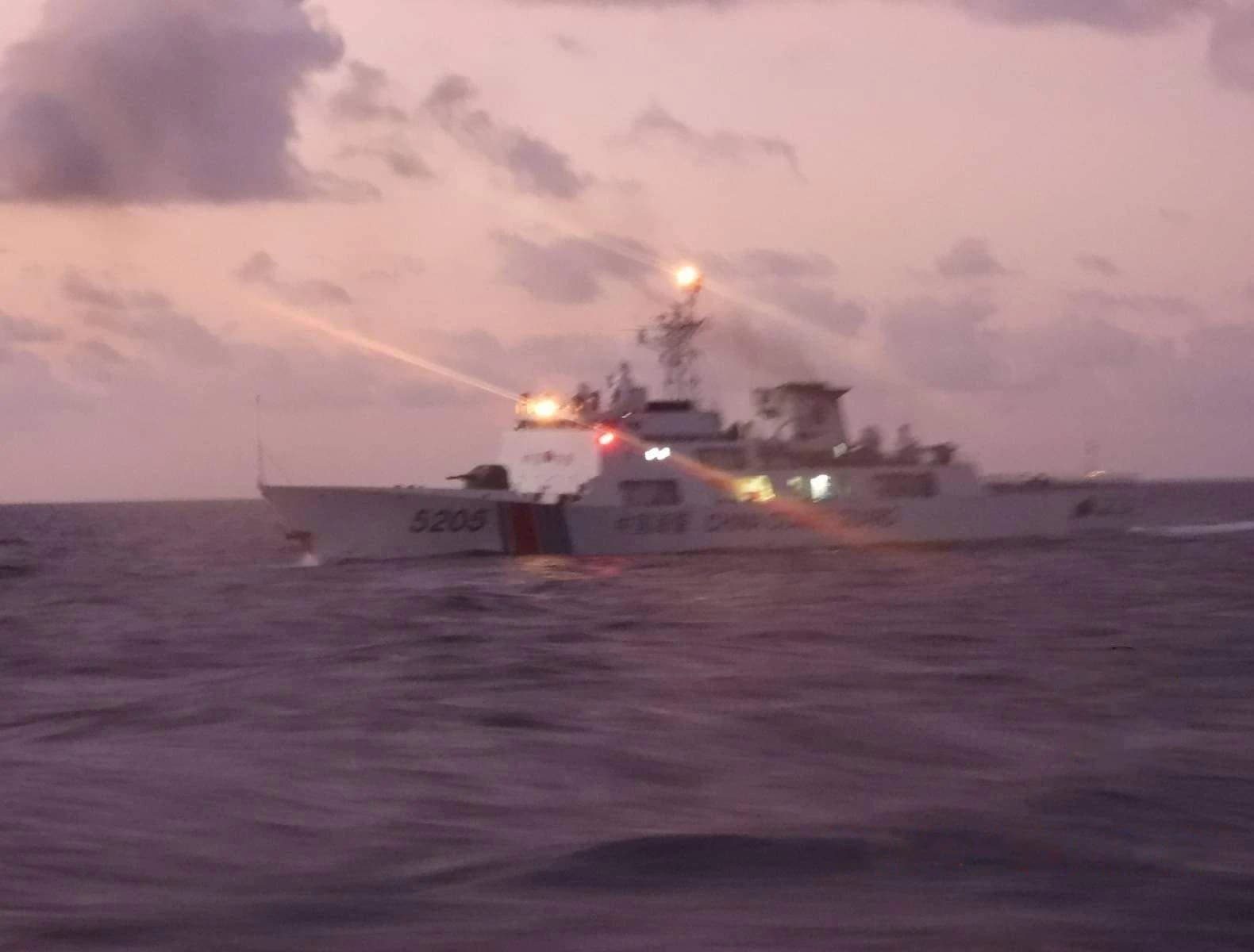
China is building what appears to be a 3,000-meter runway on an artificial island in the South China Sea, a move that could let it operate large military aircraft and tighten its grip on one of the world’s most contested waterways.
China South China Sea runway expands on Antelope Reef
US-China Relations
That matters because runways are not just concrete — they are force multipliers. A strip long enough for fighters, bombers, tankers and surveillance planes extends China’s reach, improves resupply and gives Beijing more ways to monitor, deter and, if needed, pressure rivals across the South China Sea. In practical terms, it turns disputed reefs and shoals into functioning military nodes, making China’s presence harder to challenge and easier to sustain.
Sentiment Indicators
According to satellite analysis cited in the report, the runway is being built on Antelope Reef in the Paracel Islands, where China has accelerated reclamation since late last year. If completed, the runway itself would be about 2,700 meters, or roughly 3,000 meters including overrun zones. The same analysis points to a nearby 670-meter pier that could handle larger cargo and fuel ships, further strengthening logistics at the site.
For investors, the immediate takeaway is not a tradeable headline move but a longer cycle of higher defense demand. Beijing’s expansion in the South China Sea reinforces the case for sustained spending on air defense, radar, surveillance, munitions and maritime systems, especially for companies tied to U.S. and allied deterrence architecture. Lockheed Martin, Northrop Grumman and RTX all stand to benefit if regional tensions keep driving procurement of missiles, sensors and aircraft support systems.
That also helps explain why defense names have remained resilient even when broader markets wobble. Northrop’s recent strength reflects continued demand for strategic platforms, while Lockheed’s own filings point to multi-year contracts for Patriot and THAAD production. RTX, meanwhile, sits in the middle of the global air-defense and avionics ecosystem that becomes more valuable when contested airspace expands.
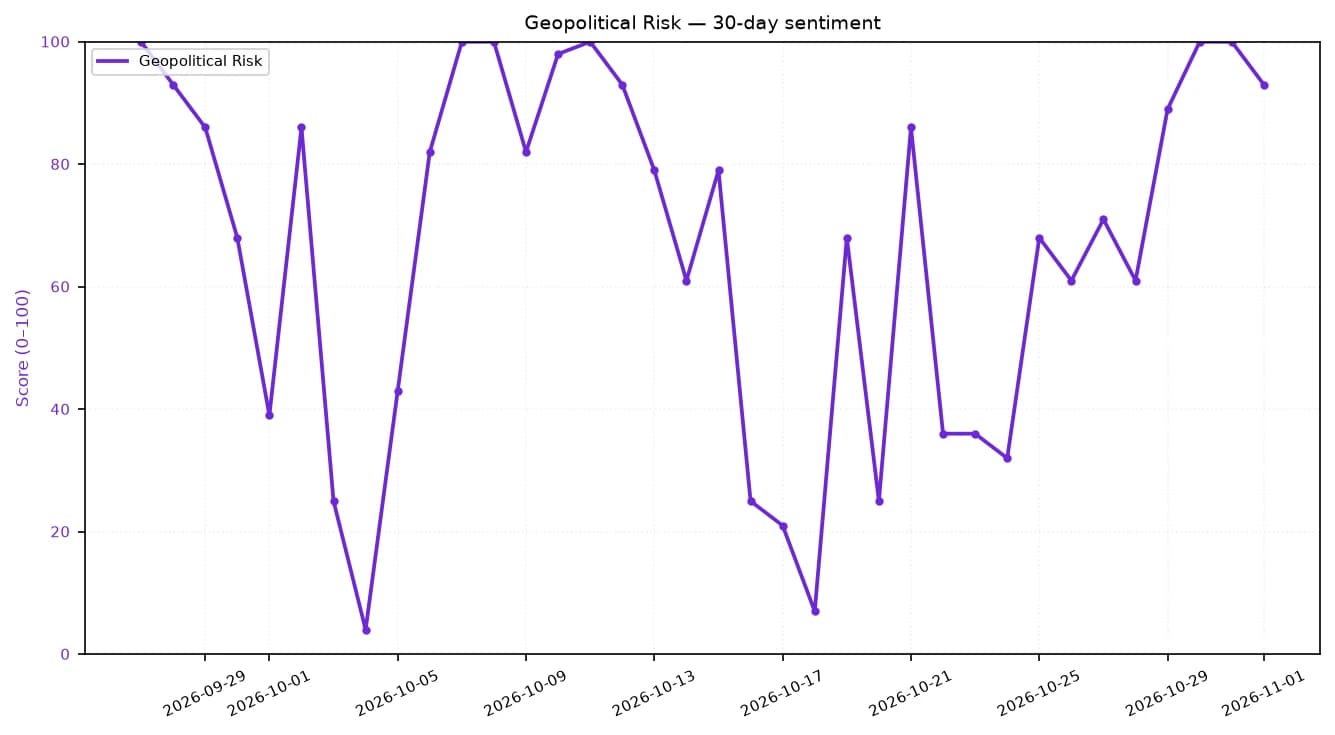
The geopolitical risk is obvious: more infrastructure in the South China Sea raises the odds of miscalculation, more surveillance and more pressure on neighboring states and on the U.S. military presence in the region. But for long-term investors, that risk translates into a persistent policy response. Nations rarely ignore new military facts on the water, and when they don’t, the money usually flows toward deterrence.
If you own defense stocks, this is another reminder of the sector’s durable thesis: geopolitical tension can be volatile, but the spending it triggers often lasts for years. For patient investors building diversified portfolios, the South China Sea buildup is worth watching — not because it changes the market overnight, but because it supports a long runway for defense budgets and the companies that serve them.
| Entity | Gains | Losses |
|---|---|---|
| China | ▲Greater military reach | ▼Regional trust |
| U.S. allies in Asia | ▲More defense urgency | ▼Strategic breathing room |
| Lockheed Martin, Northrop, RTX | ▲Higher long-term demand | ▼Little near-term downside |
| South China Sea claimants | ▲Stronger deterrence spending | ▼More territorial pressure |