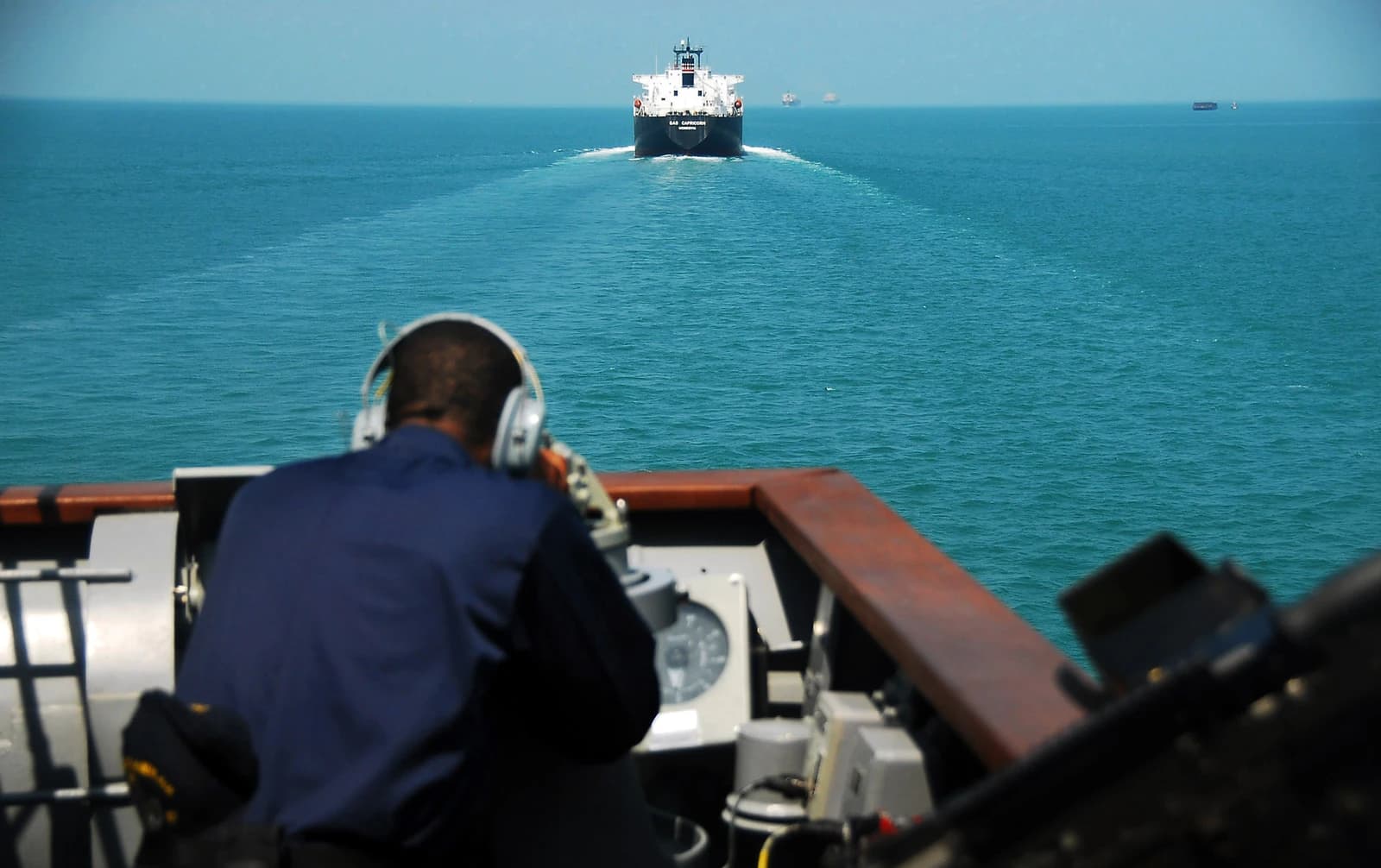
China and Djibouti are pressing to reopen navigation in the Red Sea just as the region’s security premium is reshaping global trade, raising costs for shippers and sharpening the geopolitical contest around one of the world’s most important maritime chokepoints.
China, Djibouti push to reopen Red Sea shipping
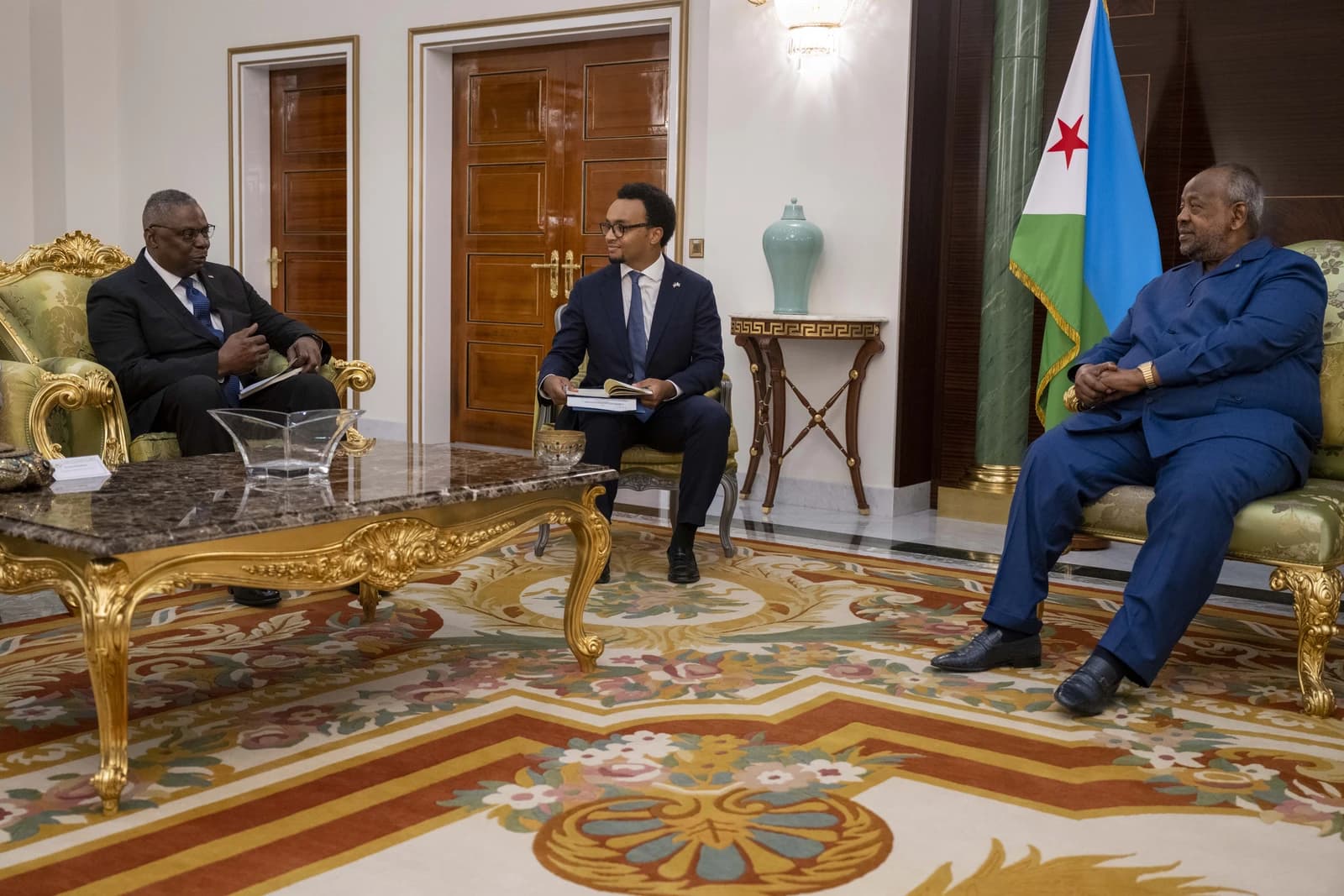
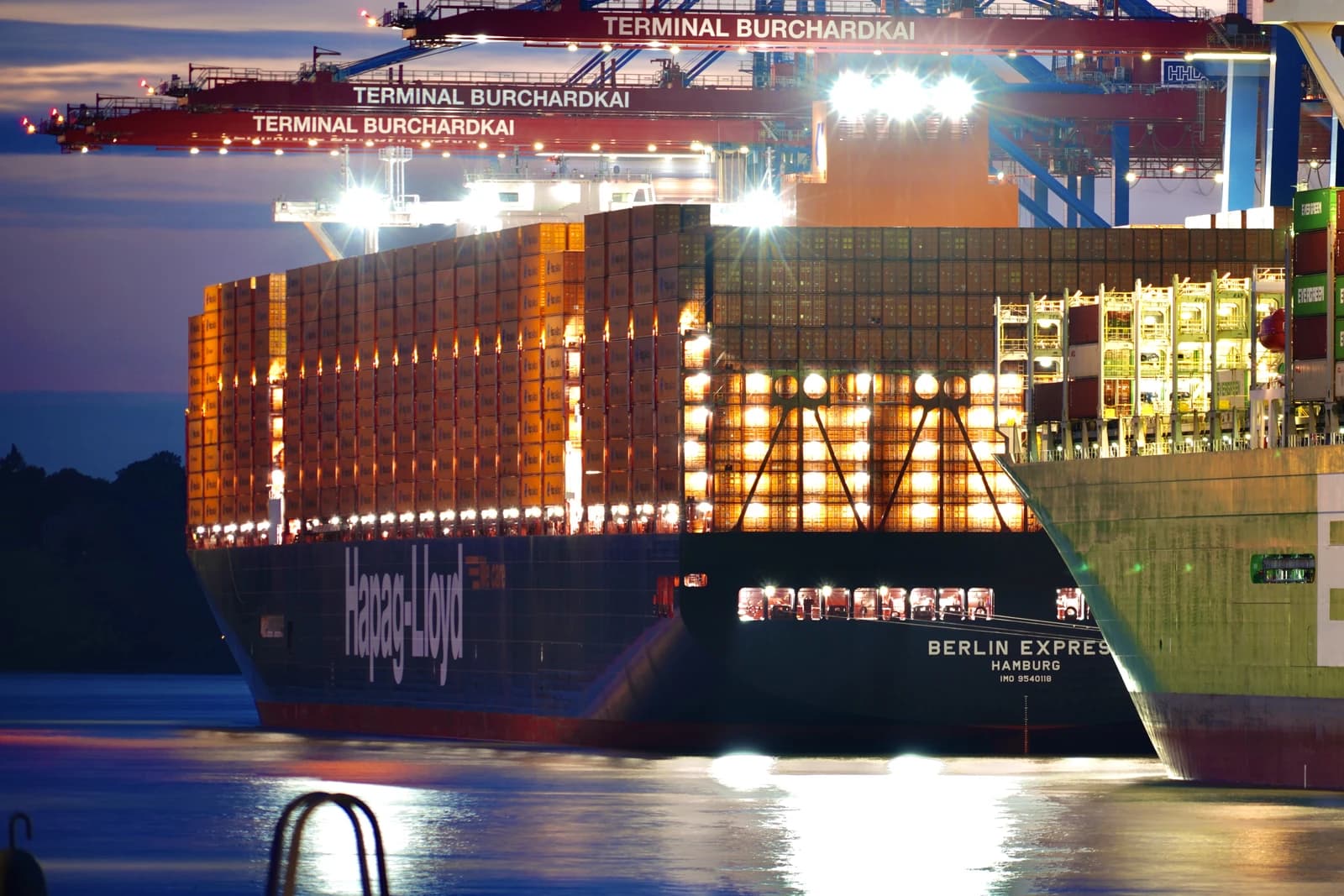
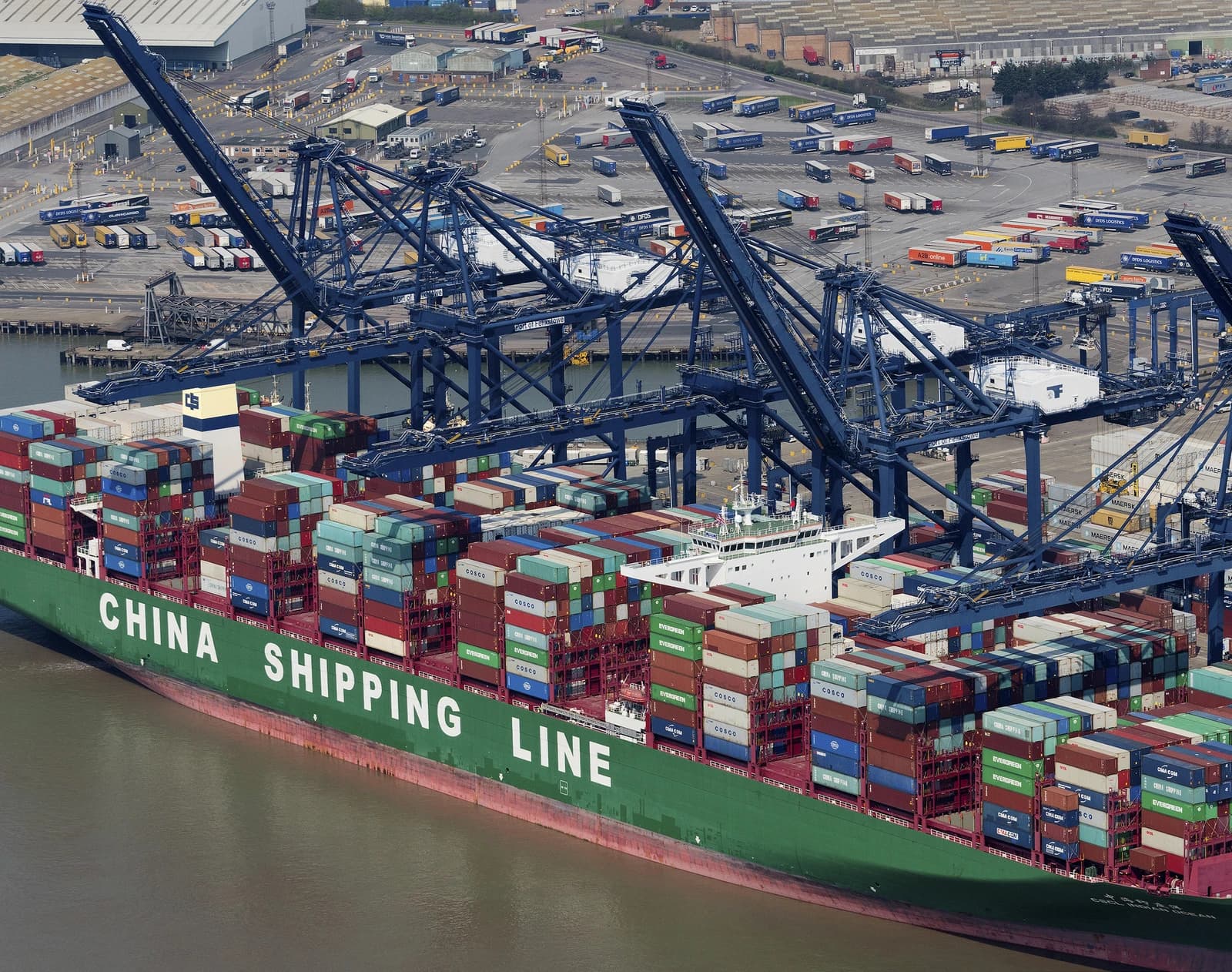
That matters because the corridor running through the Bab el-Mandeb Strait is not a minor lane on the map. It is a critical artery linking the Indian Ocean, the Suez Canal and Europe, and for China it is especially sensitive: a large share of its exports and energy flows depends on predictable passage through the route. Any prolonged disruption ripples through freight rates, delivery schedules, insurance costs and inventory planning for exporters, importers and logistics groups worldwide.
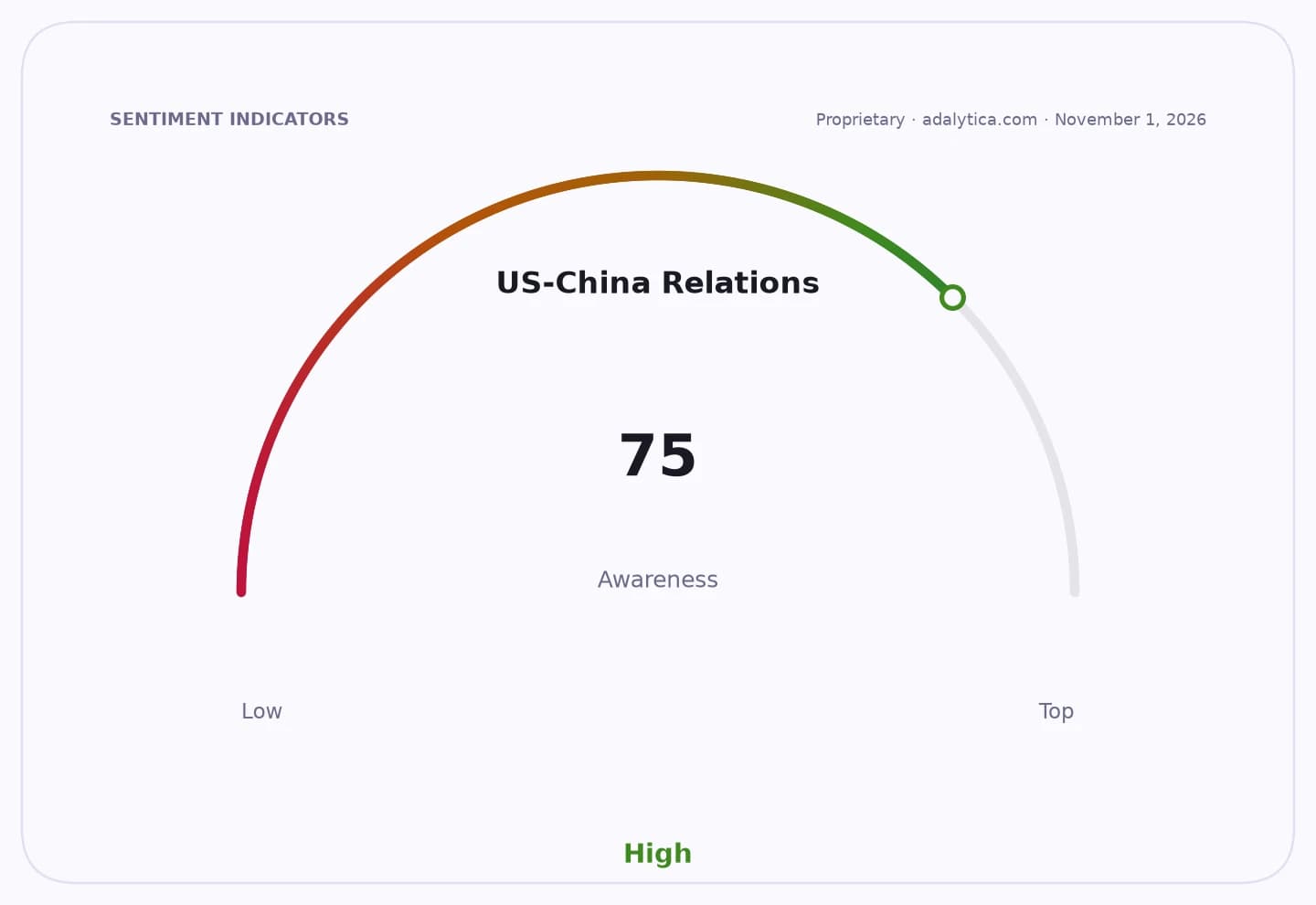
Sentiment Indicators
The call from Beijing and Djibouti also underscores how maritime security has become a policy and investment issue, not just a military one. China has billions of dollars tied up in Djibouti, including ports, a railway to Addis Ababa and its overseas military base there. By backing freedom of navigation without announcing a naval escalation, Beijing is signaling that it wants to protect commerce and its African footprint through diplomacy rather than force.
The move also puts China in sharper contrast with Washington. The joint message rejected recognition of Somaliland, which has offered the United States port access and the possibility of bases. A deeper U.S. presence near the Horn of Africa would alter the balance around a route where Beijing already has strategic and commercial exposure, adding another layer of rivalry to an already volatile shipping lane.
For investors, the key point is that persistent Red Sea risk is not just a headline for tanker and container operators — it is a catalyst for a broader repricing of global logistics, defense, insurance and infrastructure. The market underestimates how long detours, elevated war-risk premia and port-security spending can last once supply chains are forced to adapt. That creates opportunity in beneficiaries of rerouted trade, security spending and fleet utilization, while companies most exposed to Asia-Europe and East-West freight lanes face margin pressure and volatile earnings.
Keep an eye on operators with exposure to long-haul shipping and voyage disruption, as well as insurers and defense-adjacent logistics firms that can monetize a more militarized trade environment. The bigger trade here is not simply whether ships pass through the Red Sea tomorrow, but whether the world permanently prices in a higher-cost maritime order.
| Entity | Gains | Losses |
|---|---|---|
| Shipping security firms | ▲Higher demand | ▼Lower threat perception |
| Insurers | ▲Higher premiums | ▼Stable claims environment |
| Container shippers | ▲Route flexibility | ▼Cost certainty |
| China and Djibouti | ▲Strategic leverage | ▼Escalation risk |