China’s push to be ready for a Taiwan invasion by 2027 is real, but the plan looks far less settled than Beijing’s rhetoric suggests — and that gap matters for geopolitics, defense spending and Asian risk assets.
China Taiwan invasion readiness and market impacts
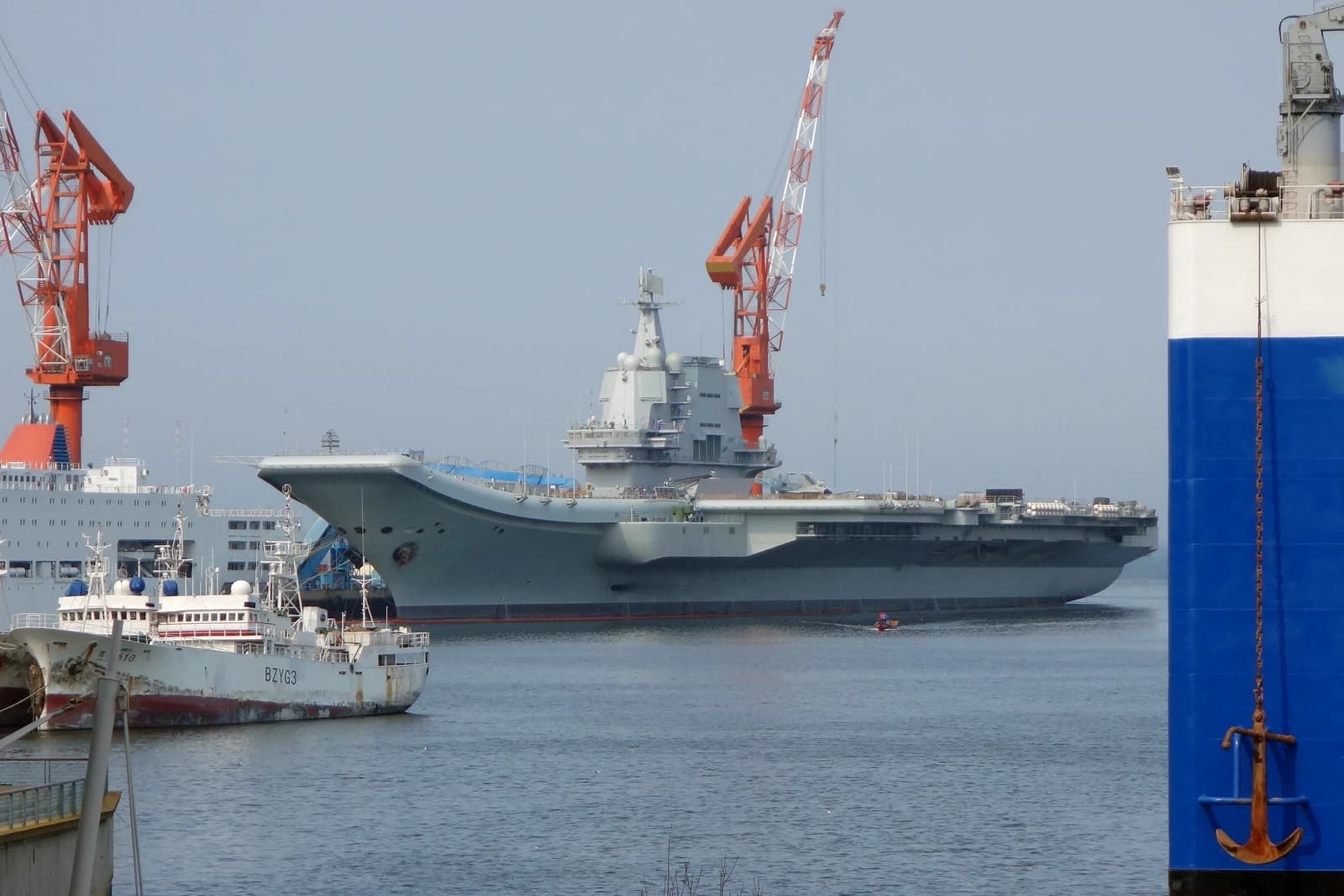
The most important new information is not simply that Washington still sees 2027 as a key military milestone. It is that U.S. intelligence now judges an actual invasion next year as unlikely, citing uneven progress inside the People’s Liberation Army and turbulence at the top of China’s military command. That makes the timeline more of a pressure point than a deadline, even as Beijing keeps tightening the screws on Taiwan through drills, cyberattacks and information warfare.
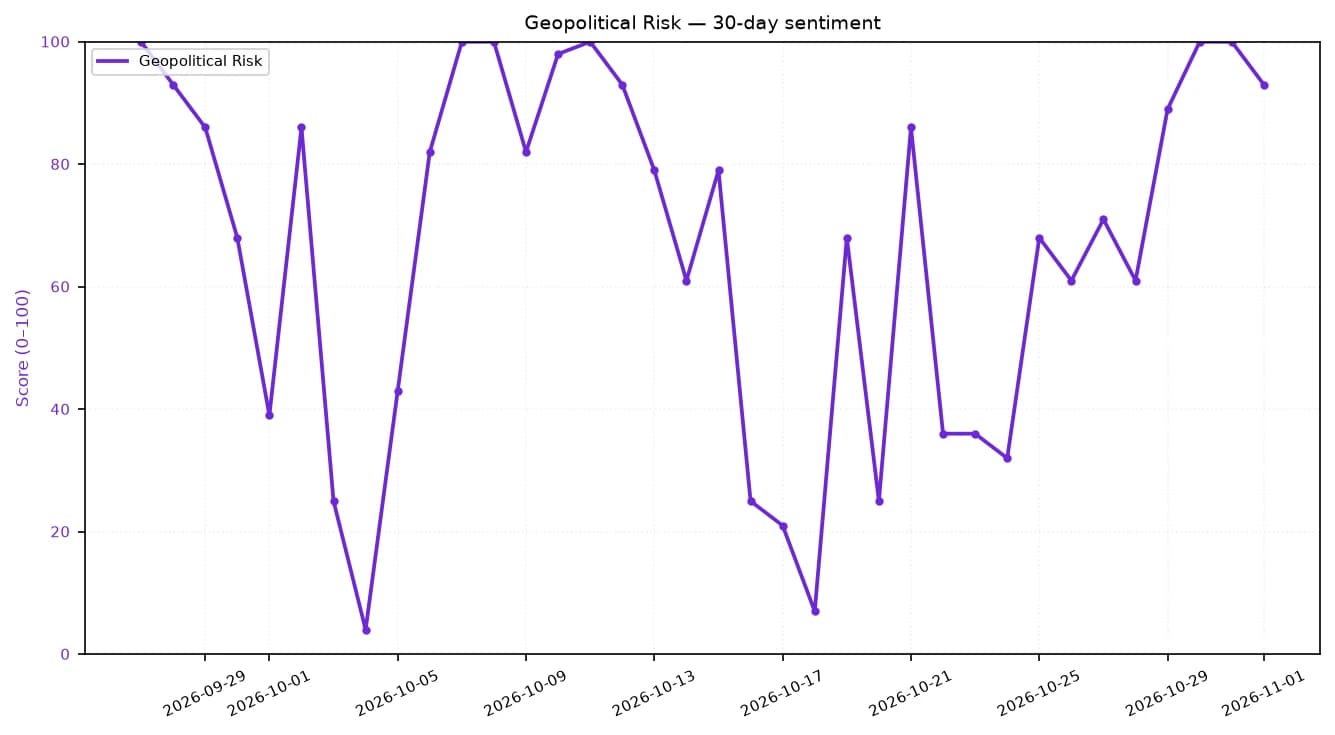
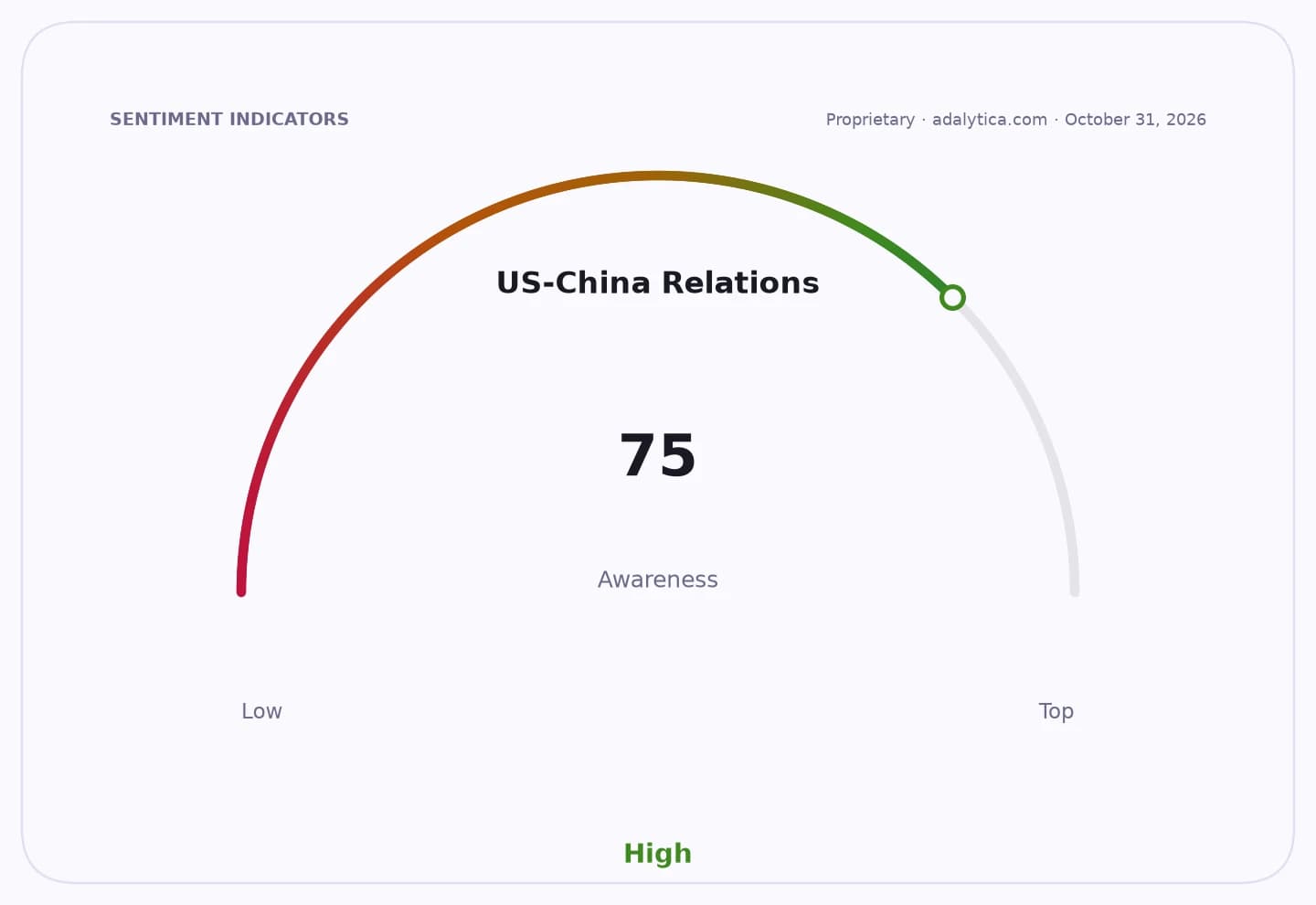
Sentiment Indicators
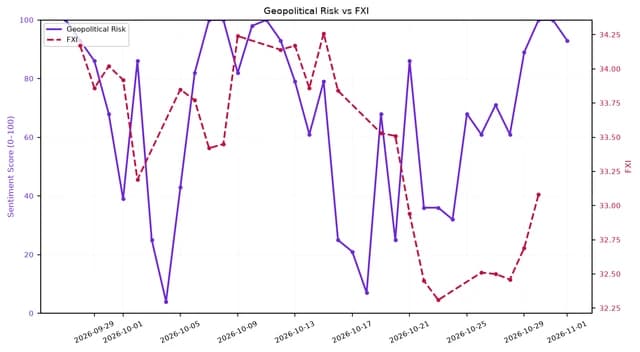
For markets, that distinction matters. A credible invasion threat would hit semiconductors, shipping, insurance and regional currencies immediately. But a drawn-out campaign of coercion is its own investable theme: it supports sustained defense capex, cyber-security demand, hardened supply chains and continued strategic diversification away from China. The market underestimates how much value is being created in the “picks-and-shovels” of great-power rivalry.
The intelligence picture is mixed. Former CIA chief William Burns said Xi Jinping had instructed the PLA to be ready for a “successful invasion” in 2027, and China has indeed built a larger, more modern force with more troops, warships and combat aircraft than the U.S. Yet the latest U.S. assessment says the PLA is making “steady but uneven” progress, not a clean march toward readiness. The report also points to leadership upheaval: Xi’s anti-corruption drive has removed a string of senior generals, leaving the Central Military Commission effectively down to Xi and vice chairman Zhang Shengmin. That is a lot of operational and political burden concentrated in two men.
The timing is also constrained by politics in Taipei. Beijing may prefer to wait until Taiwan’s 2028 election, hoping for a more China-friendly outcome. Lai Ching-te is seen as a hardliner in Beijing, while Kuomintang leader Cheng Li-wun is viewed as more open to dialogue. But a peaceful path remains remote: Taiwanese voters overwhelmingly reject absorption by China, and only 2.5% identify as Chinese. That makes any “bloodless reunification” thesis speculative at best.
What is concrete is the pressure campaign already under way. Taiwan says it faced 185.6 million cyberattacks in July alone, and Beijing is using AI-generated disinformation, media influence, espionage and military intimidation to wear down the island without triggering open war. That is the real investment backdrop: a long, grinding contest that forces governments and companies to spend more on resilience.
That is why investors should treat Taiwan not as a binary invasion trade, but as a multi-year allocation theme. Defense contractors, satellite and secure communications firms, cyber-security names, and semiconductor firms positioned outside the first strike zone all gain relevance. By contrast, Chinese equities and Taiwan-linked exporters remain hostage to every escalation in rhetoric, drills or sanctions risk. FXI’s recent slide below its 50-day moving average and the weakness in EWT suggest markets are still pricing uncertainty, not complacency.
The key takeaway is this: 2027 may be Beijing’s readiness target, but the more investable reality is prolonged instability. I believe the best positioning is not to chase a one-day fear trade, but to own the infrastructure of deterrence before consensus fully wakes up to how expensive this rivalry will become.
| Entity | Gains | Losses |
|---|---|---|
| Defense contractors | ▲Higher procurement demand | ▼Peace dividend |
| Cybersecurity firms | ▲Taiwan hardening budgets | ▼Cheap digital exposure |
| Semiconductor supply chain ex-China | ▲Diversification flows | ▼Mainland concentration risk |
| Taiwan equities and FXI | ▲Potential policy support from security spending | ▼Escalation and sanction risk |