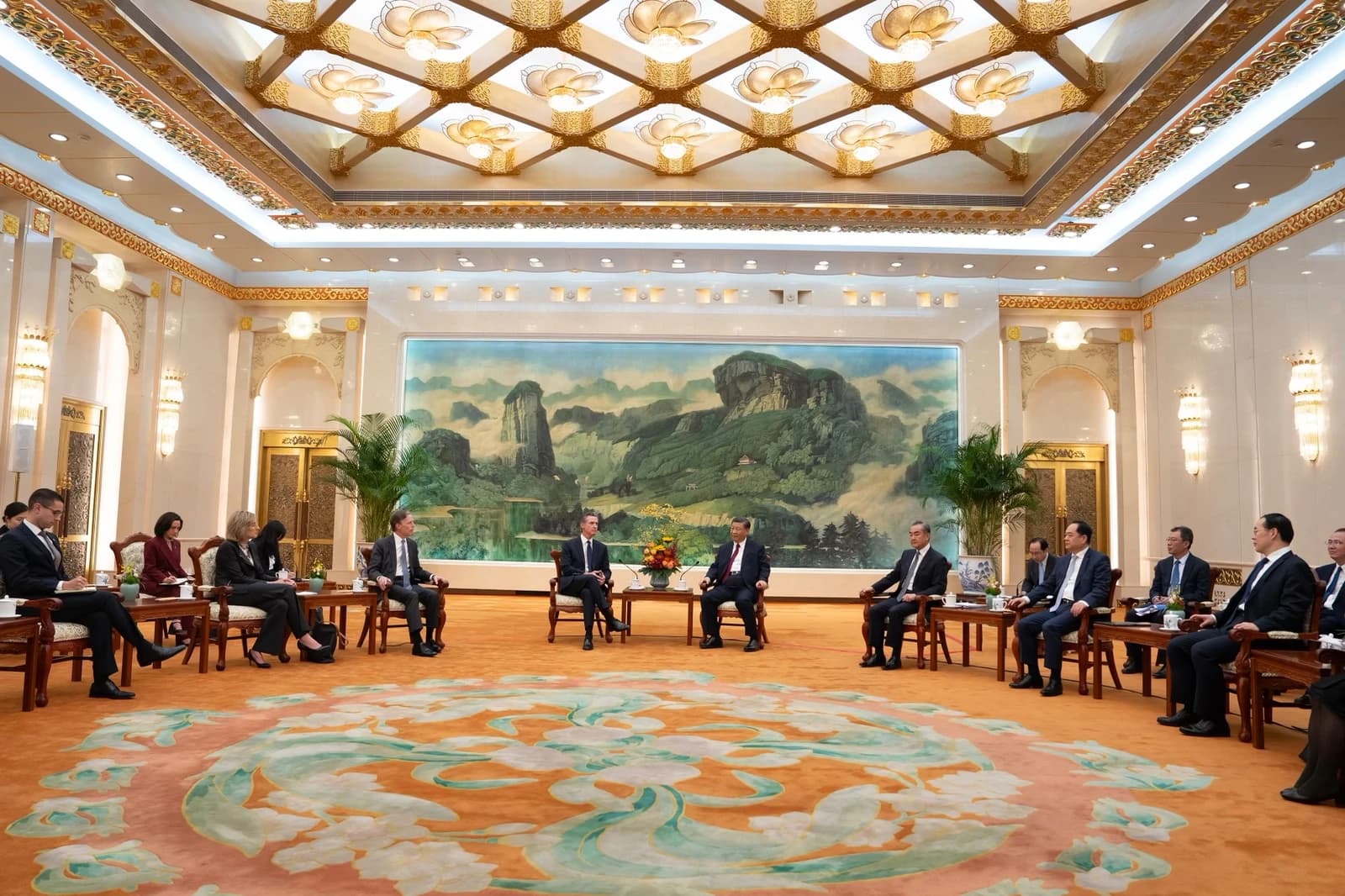
China’s ruling Communist Party is doubling down on internal discipline and grassroots governance as Xi Jinping seeks to keep a vast political machine aligned with slowing growth, industrial upgrading and mounting external pressure.
China Party Plenum Tightens Discipline and Governance
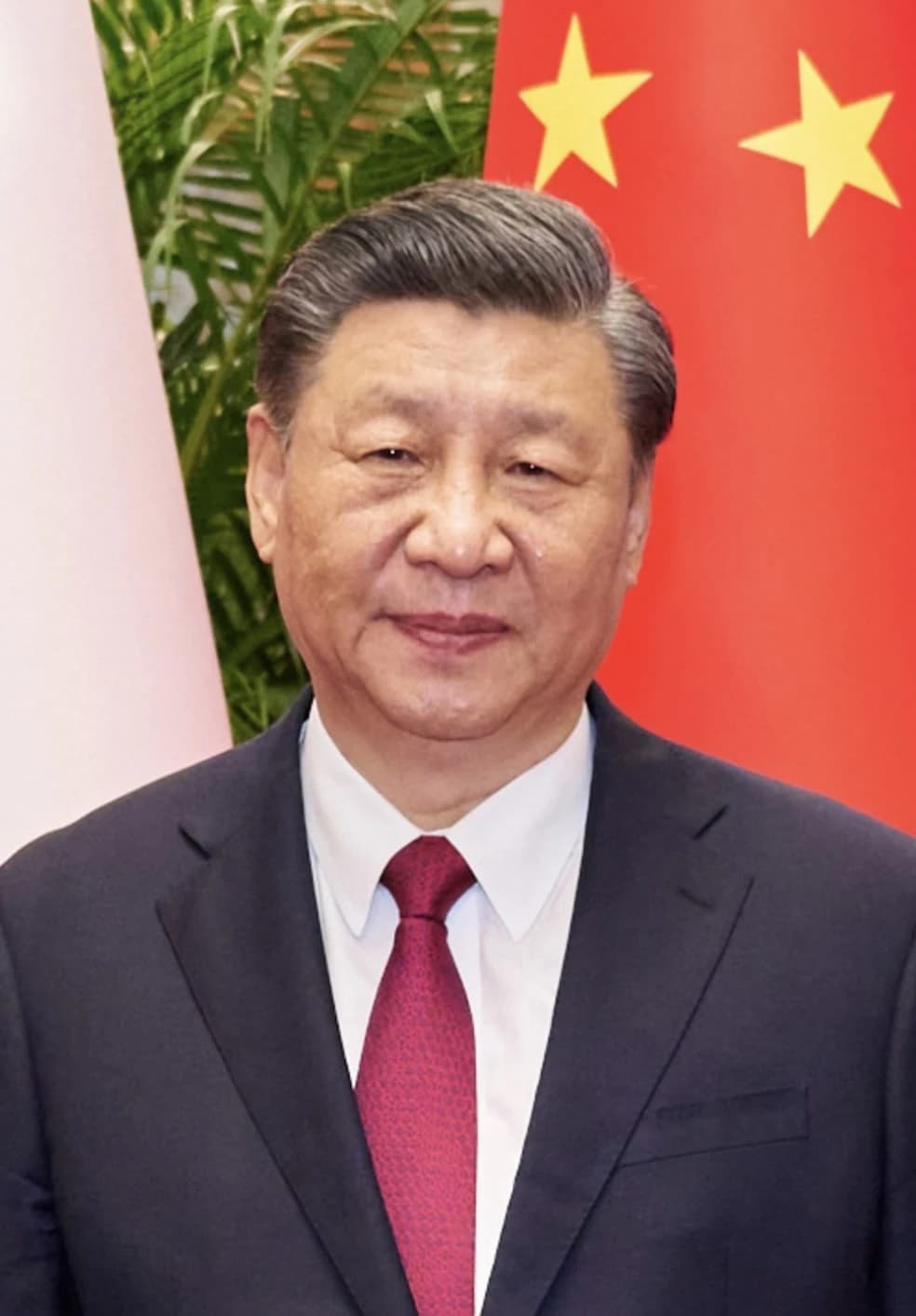
The five-day plenary of the 20th Central Committee ended in Beijing with a renewed push for “integral and rigorous” party discipline — a formulation that in practice means stricter supervision, tougher anti-corruption enforcement and more centralized control over how officials behave and deliver policy. That matters economically because Beijing is increasingly trying to use party organization, rather than market incentives alone, to steer the next stage of China’s modernization.
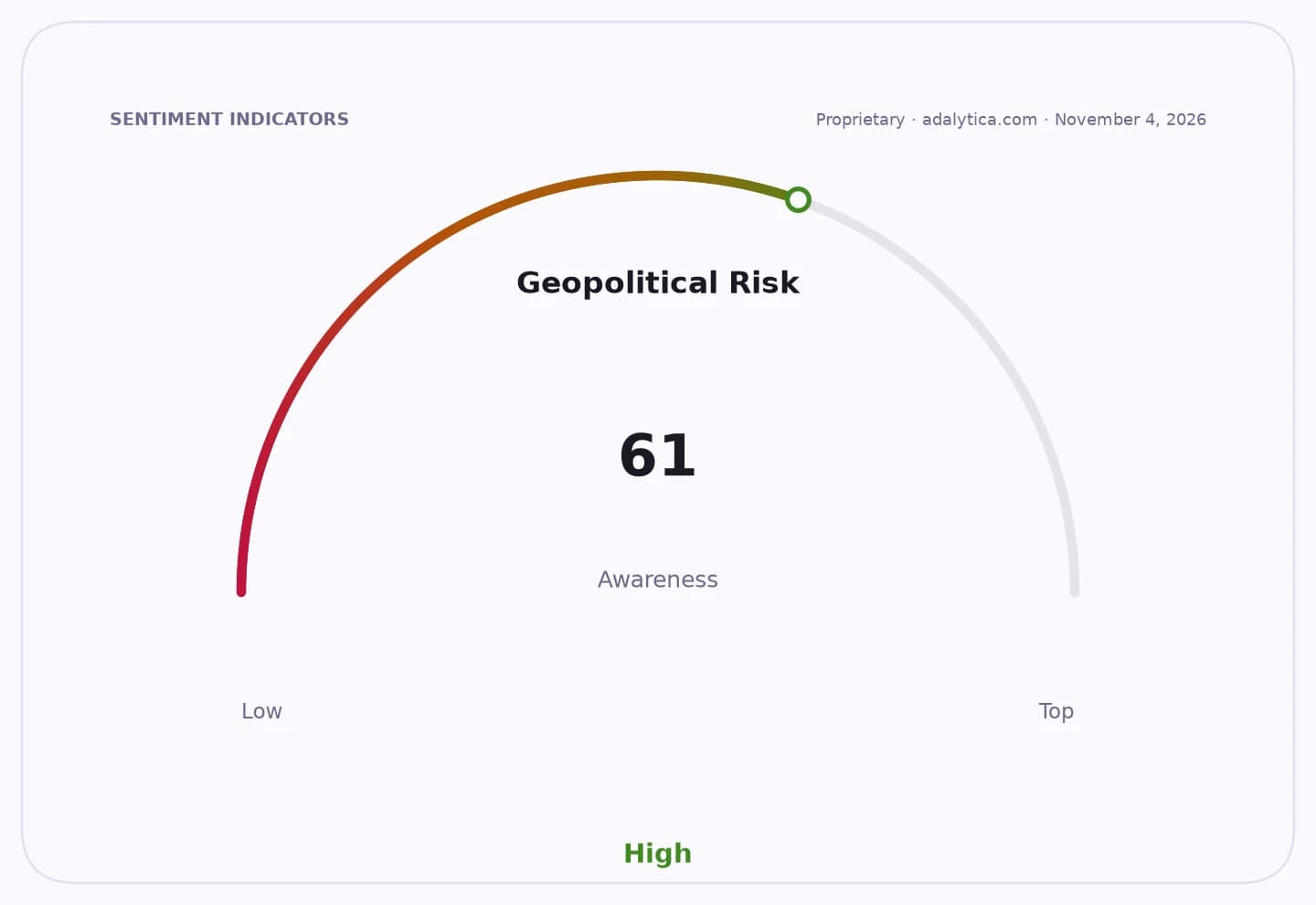
Sentiment Indicators

The timing is important. China is trying to sustain industrial upgrading, accelerate the clean-energy transition, narrow the rural-urban divide and keep markets open enough to support growth, all while navigating a more uncertain global environment. For investors, that combination points to a country where policy execution remains powerful but where political discipline can also slow decision-making, amplify compliance costs and keep regulatory risk elevated.
The party’s message was that governance is not just about macro targets or headline stimulus, but about ensuring cadres at every level can identify and solve local problems. State media highlighted Hainan, where public-service offices are using a “single form” system and new technology to automate repetitive paperwork for tasks such as business registration and social-security enrollment. The example is modest, but it captures the broader narrative Beijing wants to project: that party rule is becoming more data-driven, more efficient and more closely tied to daily service delivery.
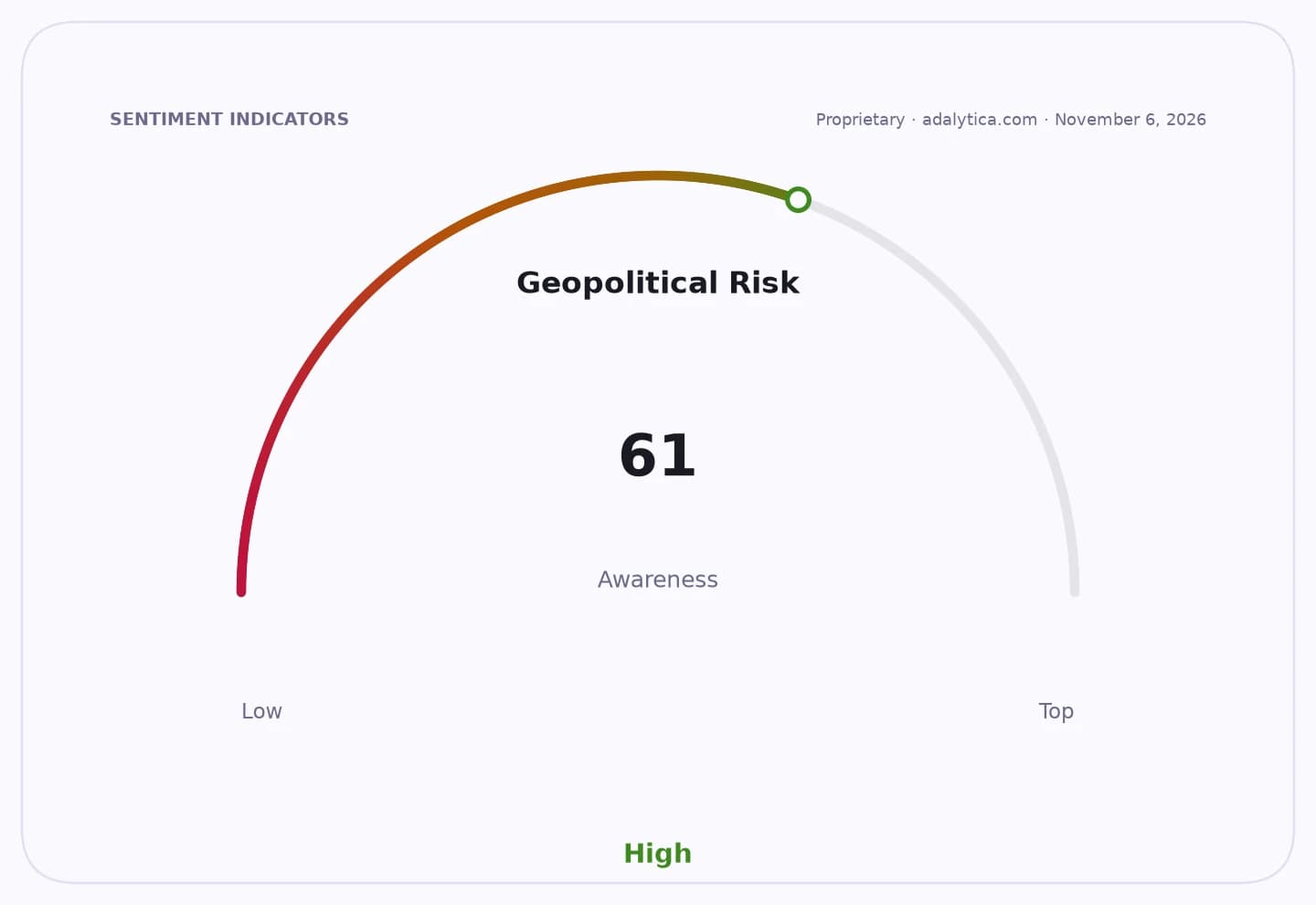
CCP Policy Direction — 30-day sentimentadalytica.com
Explore this data interactively — full history, time series and cross-market comparisons.
CCP Policy Direction
That matters for the economy because the quality of local execution is one of the biggest constraints on China’s policy transmission. A more disciplined bureaucracy can speed up approvals, improve social-service coverage and reduce the frictions that weigh on small firms and households. The Hainan system reportedly helped identify elderly residents eligible for social-security benefits who had not applied, suggesting the state is trying to turn administrative reforms into higher consumption security and better welfare targeting.
Yet the same centralization that can improve control also reinforces the top-down nature of decision-making. The plenary’s seven governing principles emphasize political loyalty, strict rule-based oversight and hierarchical direction from above. For investors, that supports policy consistency in strategic sectors such as advanced manufacturing, clean energy and public services, but it also underlines that Chinese assets remain highly sensitive to the party’s political priorities rather than purely economic signals.
That is one reason China-focused exchange-traded funds have been volatile. The iShares MSCI China ETF, FXI, recently traded around $34.95, below its 200-day moving average of $35.40, even after recovering from an early-October low near $33.19. The Hong Kong benchmark proxy EWH has held a little firmer at about $23.32, above both its 50-day and 200-day averages, suggesting global investors remain selective rather than broadly constructive on China exposure. Technical indicators such as RSI readings and MACD on both funds point to a market that has not yet built a strong conviction trend.
| Entity | Gains | Losses |
|---|---|---|
| Communist Party leadership | ▲tighter control | ▼slower local autonomy |
| Citizens and small businesses | ▲better service delivery | ▼more rule-heavy administration |
| China’s reform agenda | ▲clearer policy execution | ▼risk of bureaucratic caution |
| FXI/EWH investors | ▲policy stability hopes | ▼political and regulatory uncertainty |