China is pressing APEC members to create “new incentives” for growth just as Asia-Pacific economies look for a second wind from trade, digital investment and supply-chain realignment rather than from the old playbook of cheap money and commodity demand.
China Pitches New Growth Incentives at APEC
Economic Growth Targets
That matters because the region is still the world’s most important engine for marginal growth, and Beijing is signaling it wants to shape that agenda before leaders gather in Shenzhen on Nov. 18-19. Chinese Foreign Minister Wang Yi said APEC should accelerate digital and intelligent transformation, expand cooperation into energy, food security and low-carbon technology, and preserve a multilateral trading system centered on the WTO. In plain terms, China is arguing that the next leg of Asian expansion will come from policy coordination, technology adoption and regional integration — not from protectionism or fragmented national strategies.
Sentiment Indicators

For investors, that is a meaningful macro signal. When China talks about “new stimuli” and “new factors for cooperation,” it is effectively pointing to the sectors most likely to attract public and private capital across the region: AI infrastructure, industrial digitization, power grids, logistics, clean energy and advanced manufacturing. Those are the toll roads of the next growth cycle. The market still tends to view APEC statements as diplomatic theater, but they often telegraph where capital spending, industrial policy and cross-border trade flows are heading next.
The timing is important. Asia-Pacific policymakers are trying to balance growth with macro stability at a moment when the global backdrop remains uneven. Indonesia just posted third-quarter GDP growth of 5.47%, showing that domestic demand and investment can still outperform expectations even as external conditions stay choppy. India’s finance minister, meanwhile, has been urging confidence in the economy’s fundamentals. The message across the region is consistent: growth is still available, but governments want it delivered through better productivity, not just easier credit.
Economic Growth Targets — 30-day sentimentadalytica.com
Explore this data interactively — full history, time series and cross-market comparisons.
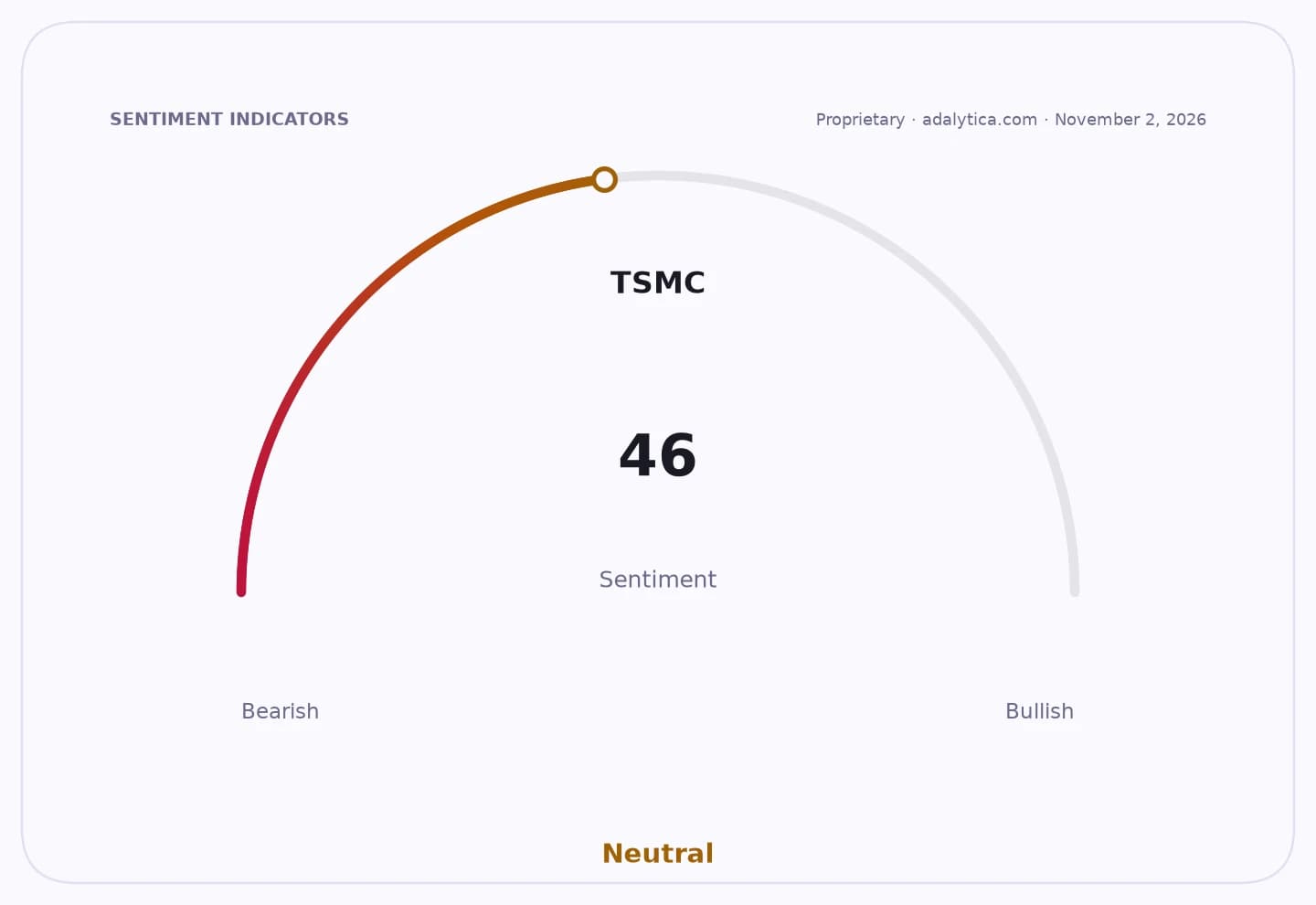
That helps explain why investors should focus on the beneficiaries of regional coordination rather than the headline itself. Hong Kong, often used as a proxy for China exposure, has been volatile but remains above recent lows, while Taiwan has been more sharply repriced as semiconductor and export expectations swing with global risk appetite. The message from APEC is that Beijing wants to keep Asia’s trade architecture open enough to support capital formation, even as geopolitical friction rises.
The bigger story is that China is trying to position itself as the architect of the next Asian growth framework at a time when the market is increasingly hunting for secular winners tied to infrastructure, automation and energy transition. If APEC follows through on more concrete incentives, the first movers are likely to be companies tied to digital networks, chip supply chains, grid equipment, ports, industrial software and low-carbon buildout. In a world starved for durable growth, that is where the asymmetric opportunity sits.
| Entity | Gains | Losses |
|---|---|---|
| China | ▲agenda-setting power | ▼passive rule-takers |
| APEC exporters | ▲broader trade access | ▼fragmented supply chains |
| AI and infrastructure stocks | ▲capex tailwinds | ▼cyclical laggards |
| Protectionist policy blocs | ▲less leverage | ▼open-trade advocates |