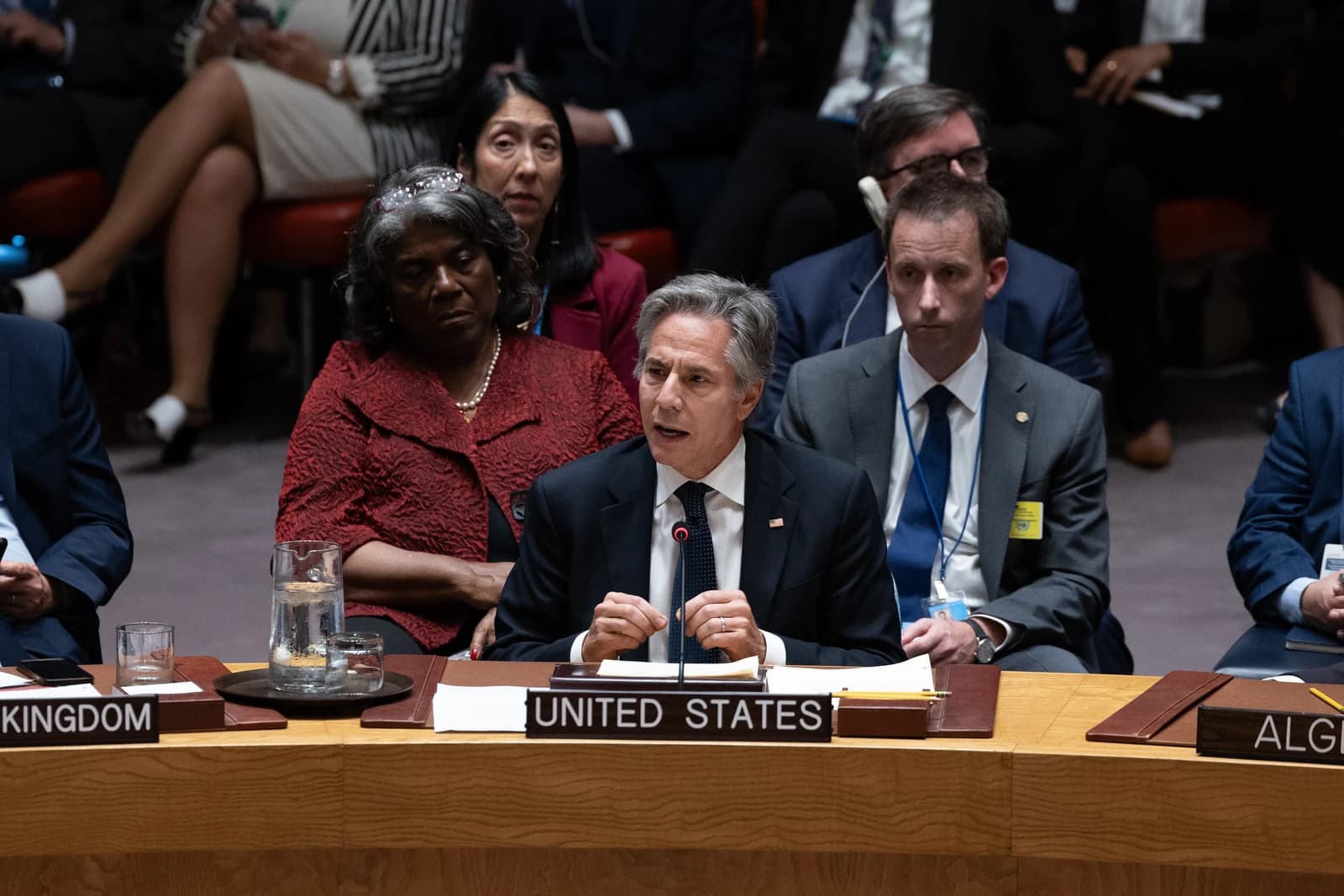
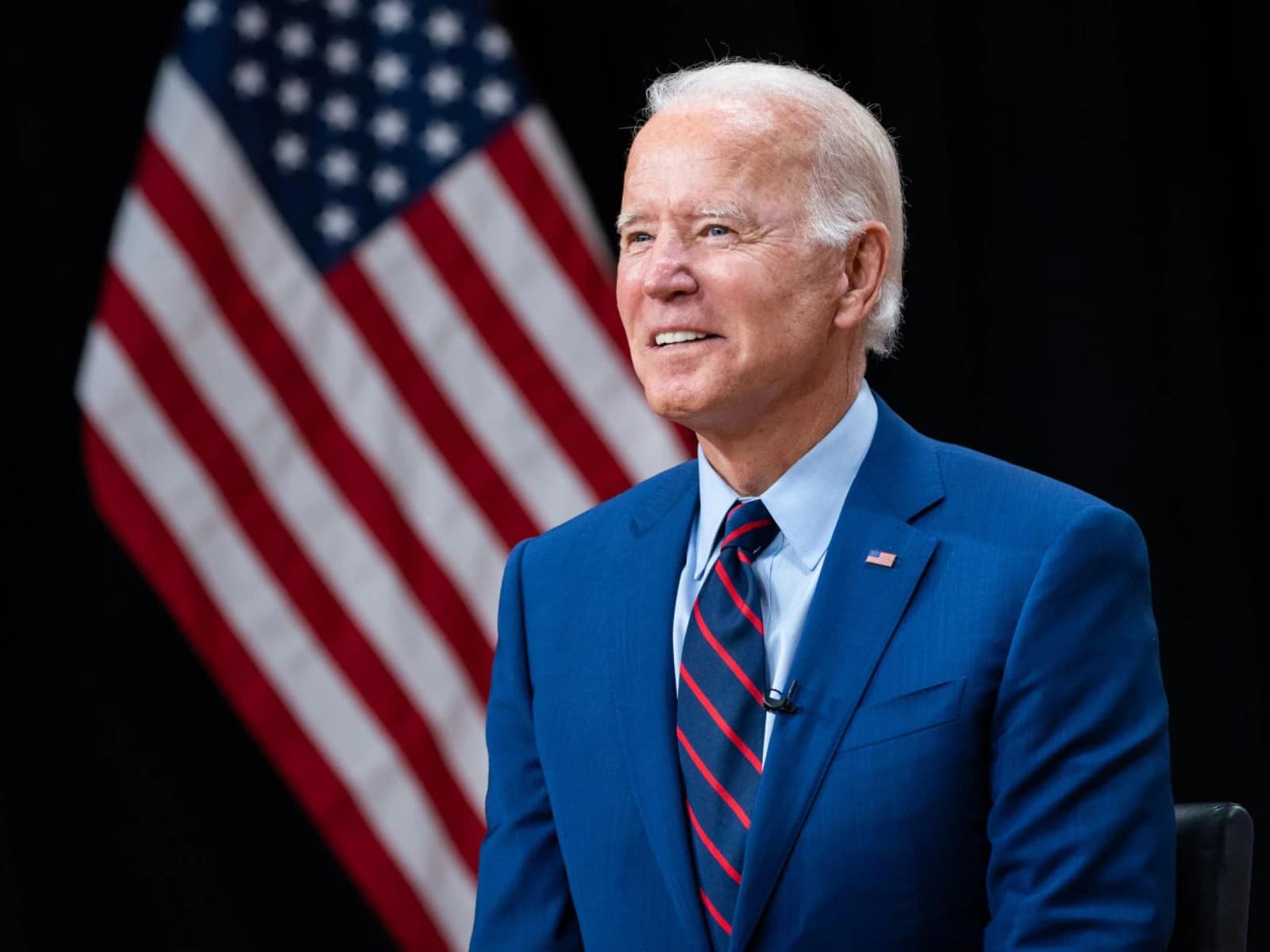
China is discussing a rare summit that would bring Xi Jinping, Donald Trump and Vladimir Putin together, a move that would underscore Beijing’s effort to position itself at the center of the world’s most consequential geopolitical fault lines.
China Discusses Xi-Trump-Putin Summit
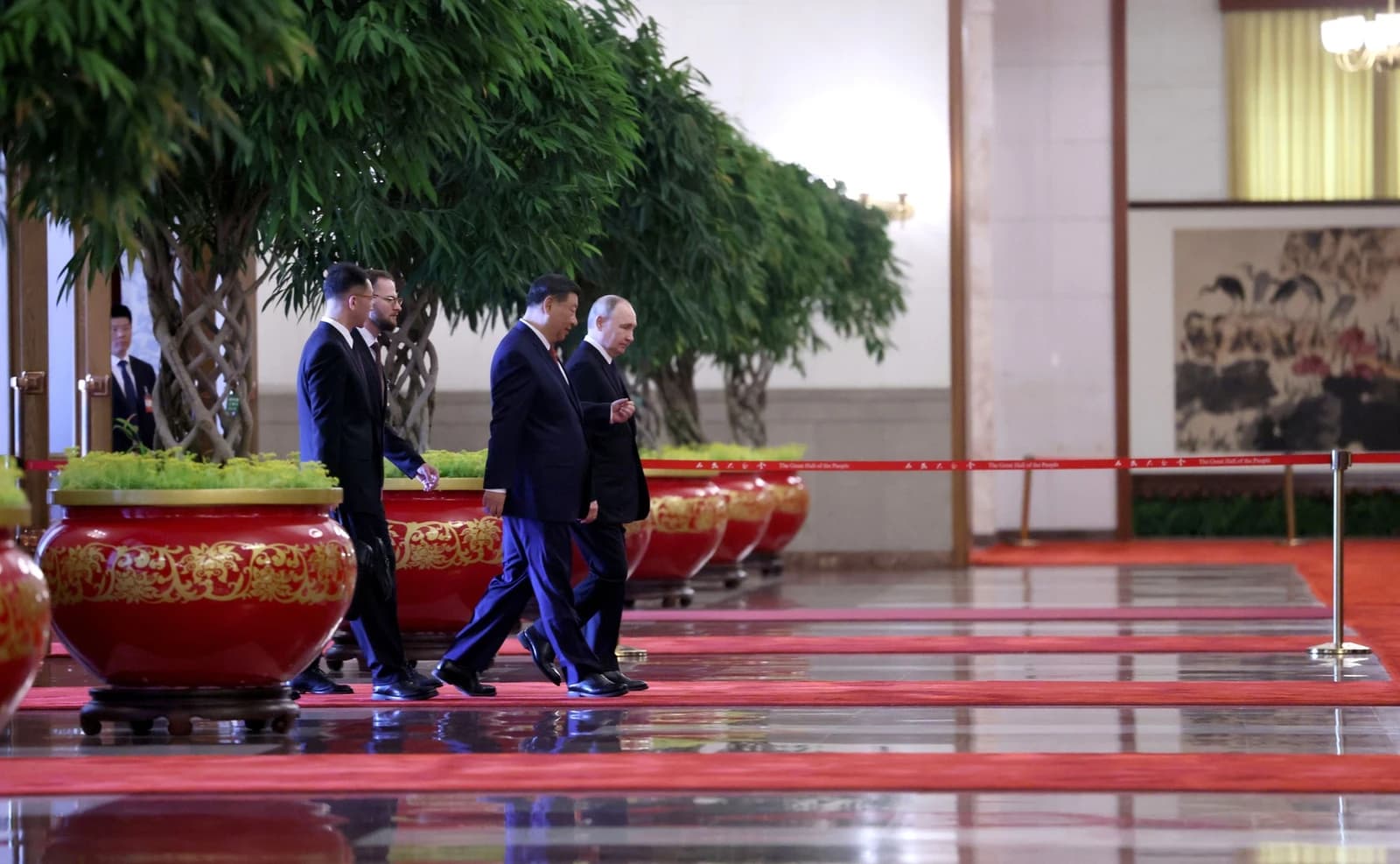
The idea matters because a three-way meeting involving the leaders of the US, China and Russia would not just be symbolic diplomacy. It would signal whether the world’s biggest powers are entering a new phase of negotiated competition, or whether Beijing is testing the limits of a potential reset in US-China ties while keeping Moscow close.
Sentiment Indicators
For investors, the implications run well beyond optics. A summit could reshape expectations for trade policy, sanctions risk, energy markets and defense spending, while also offering clues about whether tensions over tariffs, export controls and security flashpoints may ease or intensify. Even the discussion of such a meeting suggests Beijing sees value in a broader geopolitical bargain at a time when markets remain sensitive to any shift in the US-China relationship.
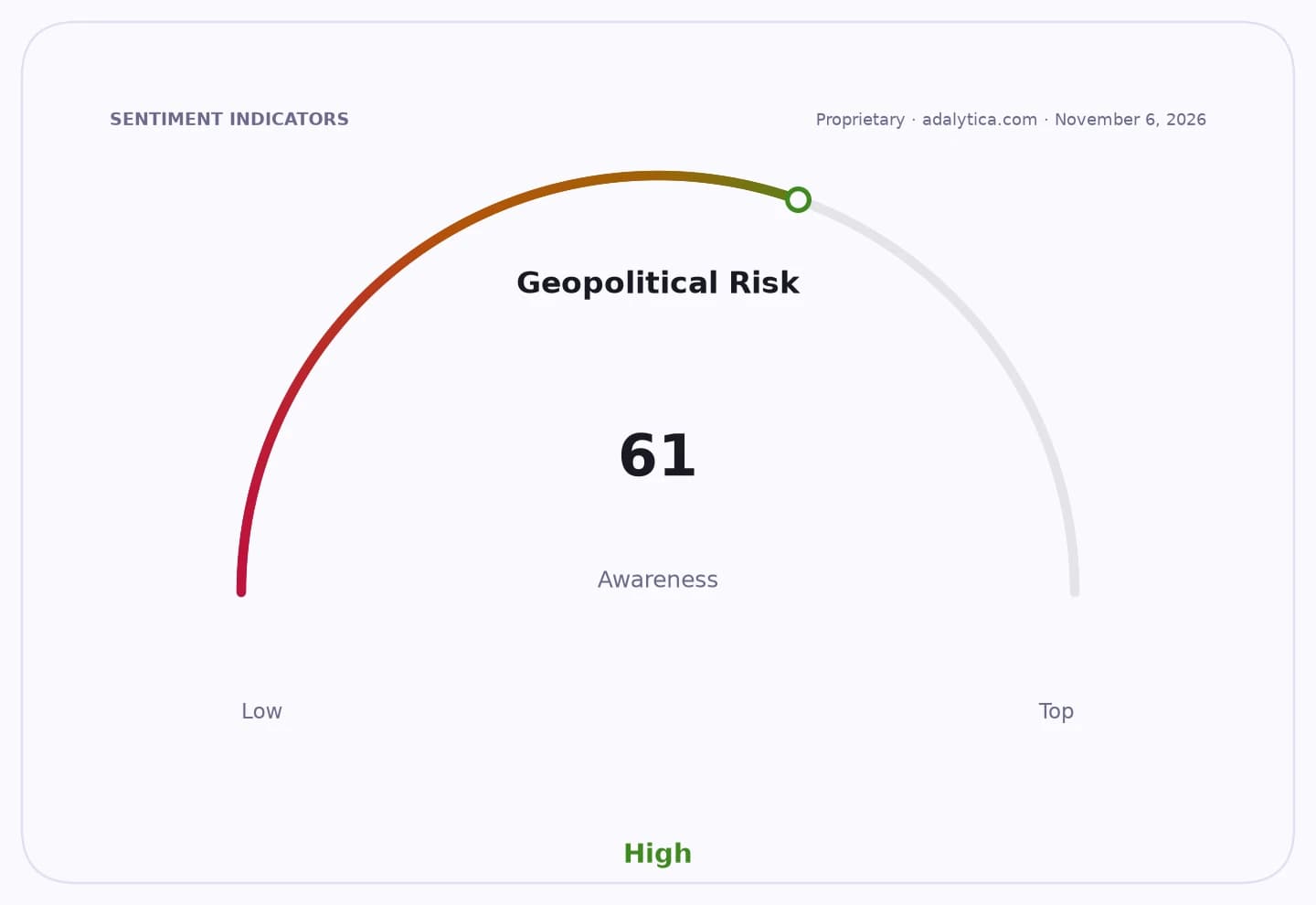
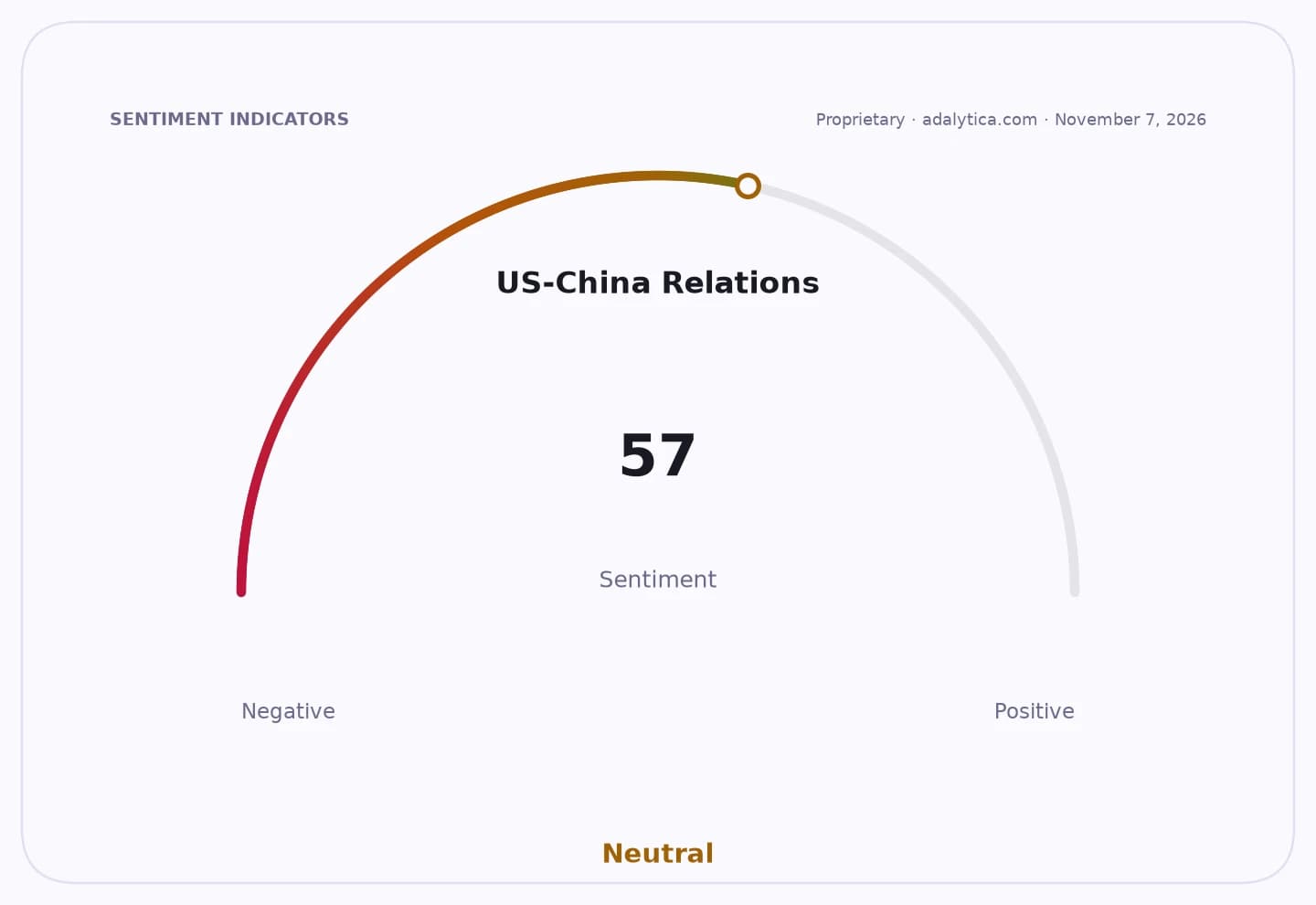
The backdrop is a market that is already pricing in elevated geopolitical uncertainty. Adalytica’s US-China Relations Sentiment gauge is at 39, in neutral territory, but awareness is deep in “extreme fear,” indicating that investors are paying attention even as conviction remains low. The broader global stability gauge has also softened recently, with awareness still in fear territory and sentiment well off earlier peaks, reflecting how fragile the international backdrop has become.
Geopolitical Risk — 30-day sentimentadalytica.com
Explore this data interactively — full history, time series and cross-market comparisons.
US-China Relations
A summit involving Xi, Trump and Putin would be especially significant because it would fold together three of the most important strategic relationships in one venue. For China, that could mean an opportunity to project influence as a potential broker between Washington and Moscow, while also giving Beijing another channel to shape US policy on trade and technology restrictions. For the US, it would test whether Trump’s transactional diplomacy can produce concrete concessions on tariffs, security or Ukraine-linked issues. For Russia, it would offer a high-profile platform at a time when sanctions pressure and wartime costs continue to weigh on the Kremlin.
The bear case is that the discussion itself may amount to little more than diplomatic theater, with no clear agenda and no guarantee the leaders would actually meet. A summit could also sharpen tensions if Washington interprets it as an attempt to split the US from its allies or to legitimize Moscow without meaningful concessions. Markets would likely react less to the photo opportunity than to any signal on tariffs, export controls, energy flows or the future of sanctions enforcement.
The bull case for investors is that even preliminary talks point to a lower probability of outright confrontation between the world’s largest powers. Any reduction in US-China hostility would be meaningful for global manufacturing, semiconductors, shipping and commodity demand, while easing pressure on cyclical assets that are most exposed to tariffs and geopolitical fragmentation.
| Entity | Gains | Losses |
|---|---|---|
| China | ▲Diplomatic leverage | ▼Perception of strategic pressure |
| US | ▲Potential channel to de-escalation | ▼Hard-line bargaining power |
| Russia | ▲International legitimacy | ▼Sanctions isolation |
| Global markets | ▲Lower conflict risk | ▼Renewed policy uncertainty |