China said it is ready to keep working with Washington after the U.S. midterm elections, a signal that Beijing wants to stabilize relations even as political control in Washington shifts and trade, security and technology tensions remain unresolved.
China Says It Will Keep Working With U.S. After Midterms
US-China Relations
The message matters because the world’s two largest economies remain deeply entwined across supply chains, financial markets and strategic competition. Any easing in rhetoric between Beijing and Washington can help reduce the risk premium around tariffs, export controls and broader geopolitical friction that has weighed on global growth expectations.
Sentiment Indicators
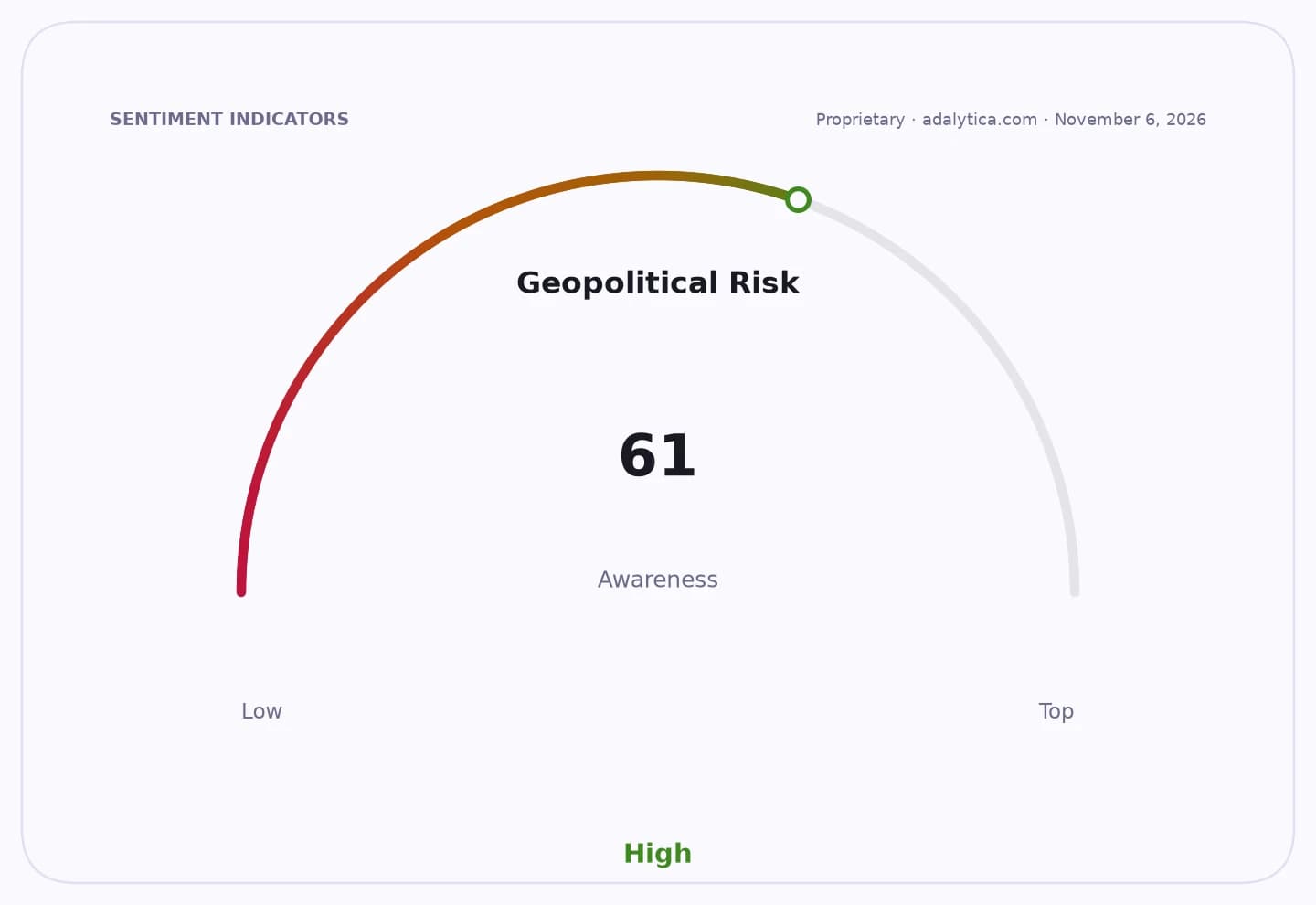
Geopolitical Risk
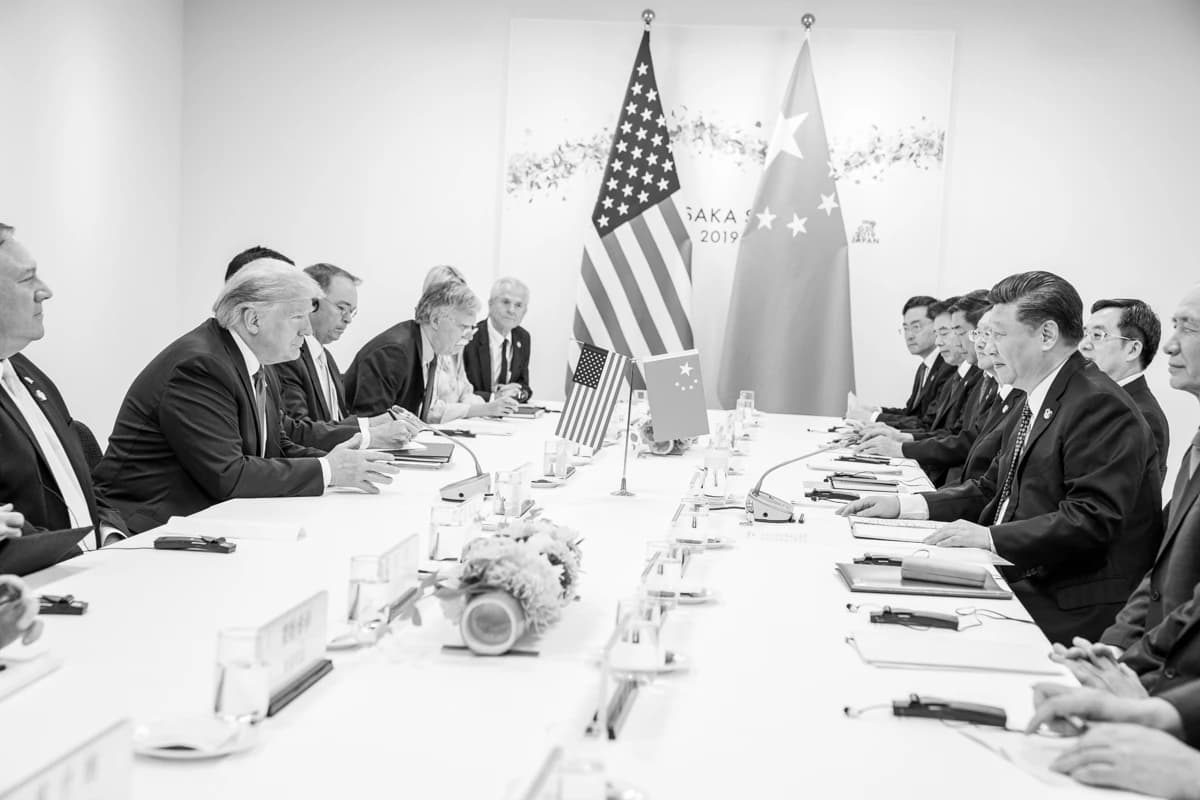
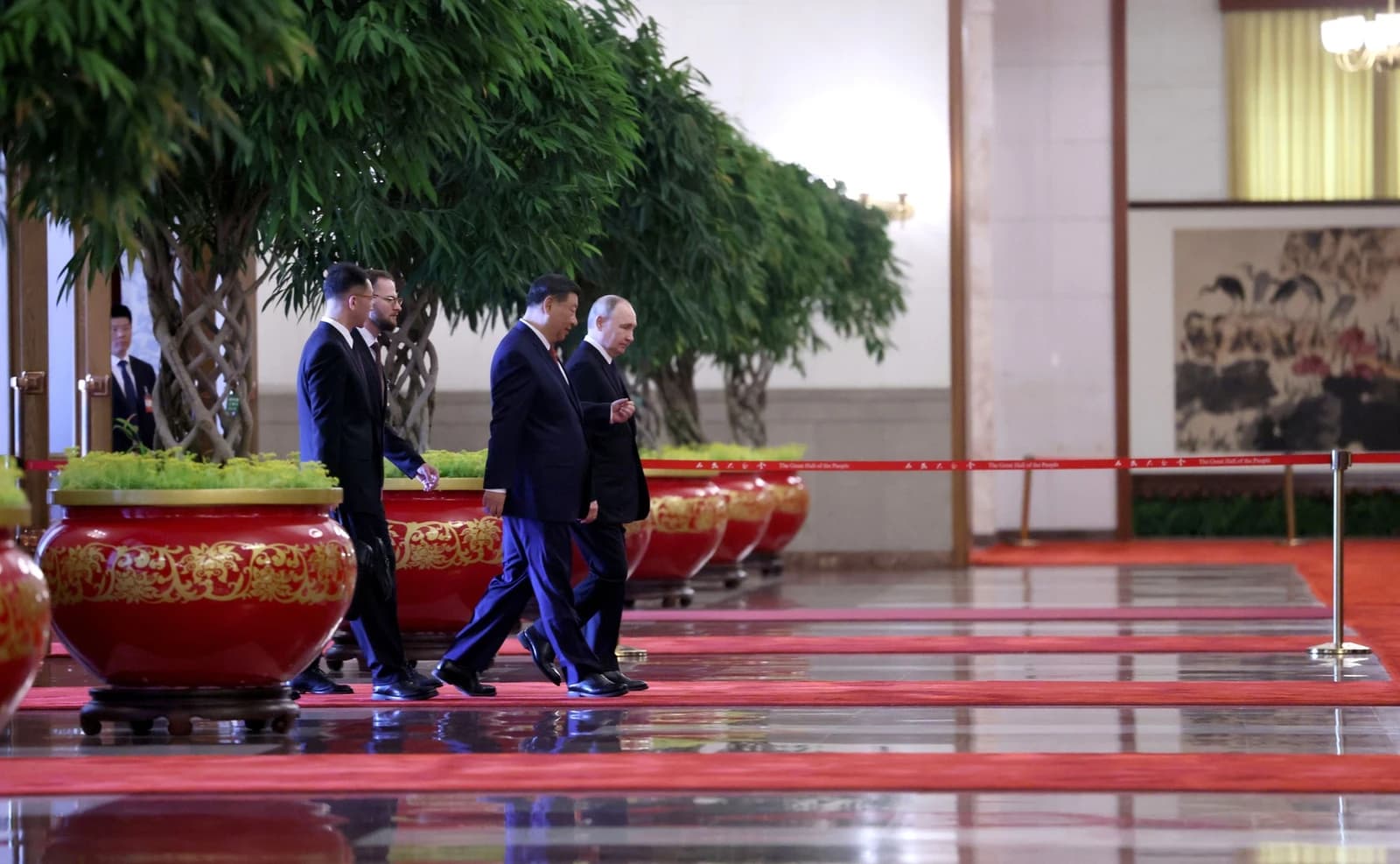
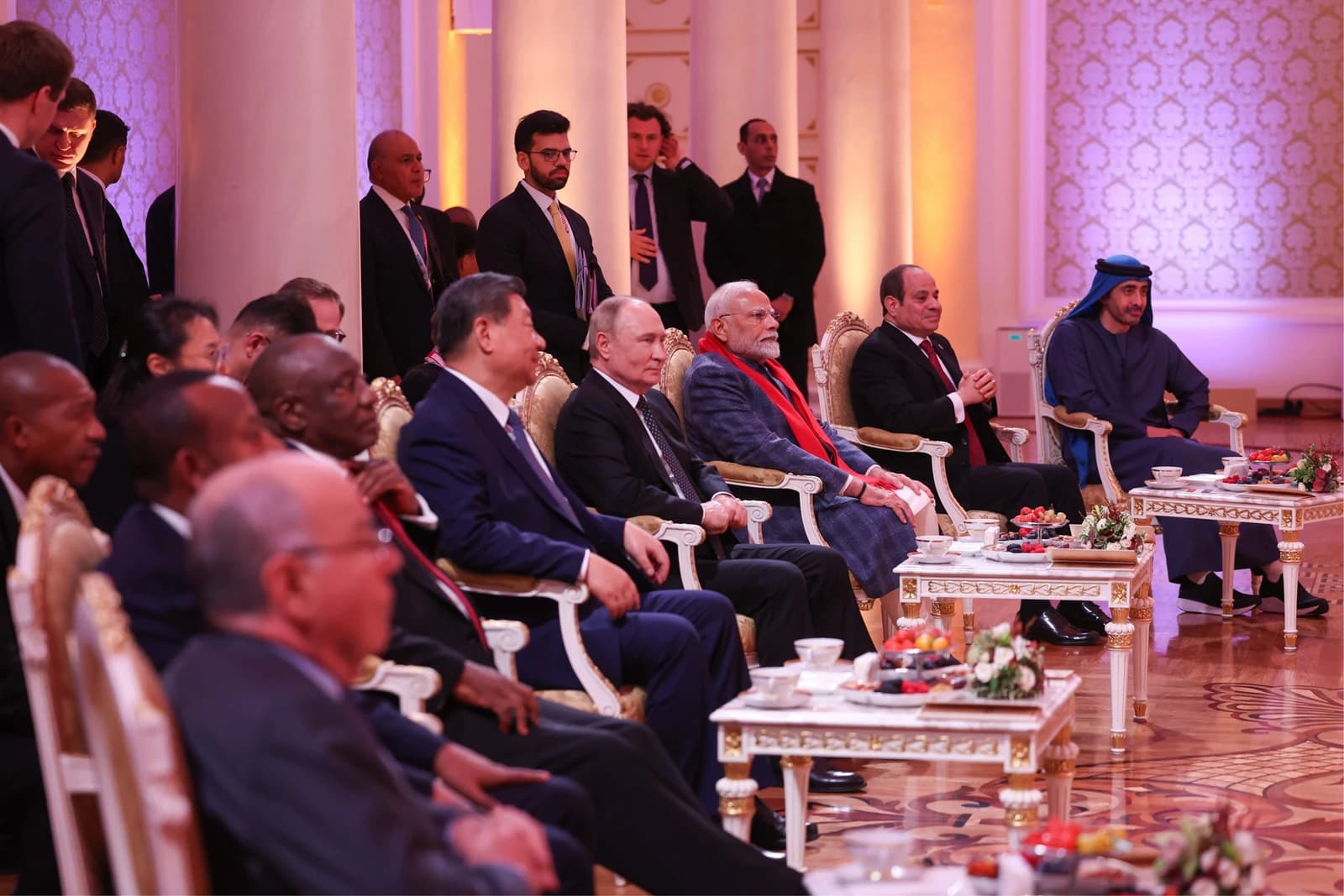
Foreign ministry spokeswoman Mao Ning said China wants to “continue cooperation” with the U.S. to preserve the consensus reached by the two countries’ leaders, strengthen communication and properly manage differences. She also said Beijing is in contact with relevant parties about arranging a meeting involving the leaders of China, Russia and the United States, and reiterated support for resolving Iran-U.S. disputes through dialogue.
The timing is important for investors because markets tend to respond quickly to signs of less confrontation between the two powers. China-related assets have been sensitive to policy headlines, while U.S. benchmarks such as the SPY ETF show how quickly risk appetite can unwind when geopolitical uncertainty spikes; the fund has fallen back below its 50-day moving average and its relative strength index is in the mid-30s, reflecting weaker near-term momentum.
Adalytica’s U.S.-China Relations Sentiment gauge remains neutral at 57, but awareness is extremely low, suggesting the market may be underpricing the next turn in the relationship even as the tone improves. China policy-direction sentiment is also neutral, pointing to a wait-and-see stance rather than a major shift in strategy.
For investors, the key question is whether Beijing and Washington use the post-election window to reopen channels on tariffs, technology restrictions, Taiwan and broader security issues. A sustained thaw would support equities, industrials and global trade-sensitive names; a relapse would quickly revive volatility in currencies, commodities and emerging markets.
| Entity | Gains | Losses |
|---|---|---|
| China | ▲Lower diplomatic friction | ▼Pressure if talks stall |
| United States | ▲Greater policy flexibility | ▼Less leverage if tensions ease too slowly |
| Global equities | ▲Lower risk premium | ▼Higher volatility if rhetoric worsens |
| Trade-sensitive sectors | ▲Better demand outlook | ▼Exporters exposed to renewed restrictions |